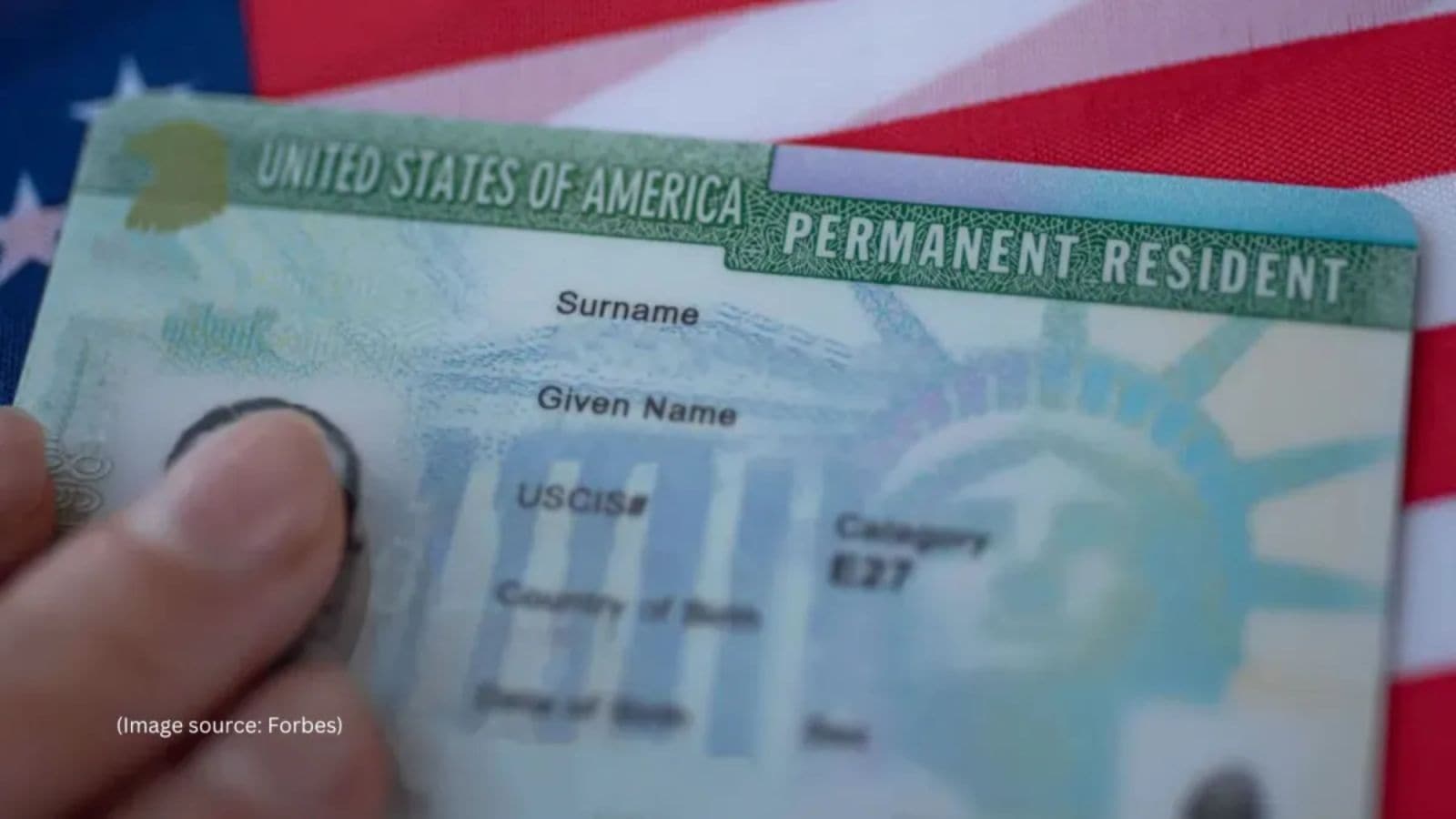
You can't just fly into America on a tourist visa and decide to stay forever. It sounds obvious. Yet, thousands of foreign nationals try to bypass the system this way every single year, only to face a brutal awakening when immigration authorities tell them to pack their bags and head back to their home country.
The US government has been cracking down hard on visa maneuvers. United States Citizenship and Immigration Services (USCIS) is actively enforcing strict rules regarding where you must be when you apply for a Green Card. If you enter the country under the wrong visa category or violate your stay, you cannot simply file a form and wait for your permanent residency approval from the comfort of a US apartment. You must return home to apply for a Green Card through consular processing.
This isn't a minor administrative hurdle. It is a costly, stressful, and legally precarious reality that catches many applicants off guard. Understanding the divide between adjusting your status inside the borders and applying from abroad will save you from a catastrophic immigration mistake.
The Myth Of Universal Adjustment Of Status
Many people assume that as long as you are physically standing on American soil, you can apply for permanent residency. That is a dangerous myth.
The process of changing your visa status while inside the country is called Adjustment of Status. It requires a lawful entry and, in most cases, maintaining strict lawful nonimmigrant status right up until you file. The Department of Homeland Security monitors this closely.
If you entered the US on a temporary visa like a B1/B2 tourist visa, a WT/WB visa waiver program, or a student visa, you promised the government that your visit was temporary. Flipping that script immediately after arrival flags your case for fraud. The government views this as preconceived intent. When immigration officers catch this, they don't just deny the application. They can bar you from entering the country for years.
When Washington Forces You Home
Consular processing is the default method for obtaining a Green Card. It means you must attend an interview at a US embassy or consulate in your home country. For many foreign nationals, it is the only legal pathway available.
Washington forces foreign nationals to return home to apply for a Green Card under several specific scenarios:
- Visa Waiver Program Violations: If you arrived via the Electronic System for Travel Authorization (ESTA) and overstayed your 90 days, your options to adjust status inside the country vanish instantly, unless you are married to a US citizen.
- Unlawful Presence: Accumulating even a few weeks of unauthorized stay can disqualify you from inside-the-border processing.
- Unauthorized Work: Working under the table or freelancing on a tourist or student visa violates your status. USCIS will find out during the background check, and they will typically deny an adjustment application, forcing a return home.
- Certain Employment-Based Categories: Many high-skilled workers or investors must wait out the grueling processing times in their home countries if their temporary work visas expire before their priority dates become current.
Take the real-world case of a Canadian graphic designer who entered the US on a visitor record. She found a company willing to sponsor her for an EB-3 employment Green Card. Because the visa bulletin backlog meant a two-year wait for an immigrant visa number, and her visitor stay was expiring, she could not remain in the country legally to wait. She had to return to Toronto and wait out the long line there. Trying to stay would have triggered an automatic denial.
The Dreaded Three And Ten Year Bars
Going home sounds simple enough on paper. You buy a plane ticket, pack your bags, and wait for your embassy interview.
But there is a massive catch.
If you overstayed your authorized period of stay in the US before leaving, stepping foot outside the American border triggers automatic entry bans. The Immigration and Nationality Act is unyielding on this point:
- If you stayed unlawfully for more than 180 days but less than one year, leaving triggers an automatic three-year bar.
- If you stayed unlawfully for one year or more, leaving triggers an automatic ten-year bar.
This creates a terrifying catch-22. The government says you must return home to apply for your Green Card because you are ineligible to adjust status inside the US. But the moment you leave the country to attend your embassy interview, you trigger a decade-long ban from returning.
The only way out of this trap is an I-601A provisional unlawful presence waiver. This waiver allows certain immediate relatives of US citizens or permanent residents to request that the government forgive the overstay before they leave the country for their interview.
Securing this waiver is notoriously difficult. You must prove that your absence will cause extreme hardship to your US citizen or permanent resident relative. Merely being sad or missing your spouse doesn't cut it. You need documentation of severe medical issues, extreme financial ruin, or dangerous conditions in your home country.
The Crucial 90 Day Rule
Even if you enter the US legally and marry a US citizen, you aren't completely safe from being sent home. USCIS officers use a strict guideline known as the 90-day rule to evaluate your intentions.
If you file for a Green Card or take actions inconsistent with your nonimmigrant visa—like getting married or starting a business—within 90 days of arriving in the country, the government presumes you lied to the border officer when you entered. They assume you intended to immigrate permanently all along.
Overcoming this presumption requires mountains of evidence. You have to prove that your circumstances changed drastically and unexpectedly after you crossed the border. If you can't prove it, the government rejects the application, revokes your current visa, and orders you to leave.
How To Handle Your Next Steps Safely
Navigating this bureaucratic maze requires a methodical approach. Do not guess your way through immigration forms.
First, look at your I-94 arrival and departure record. This document, available online through the Customs and Border Protection database, dictates the exact date you must leave the US. Do not confuse this with the expiration date printed on your physical visa stamp. The visa stamp gets you to the border; the I-94 dictates how long you can stay.
Second, audit your entry intent honestly. If you came to the US with a suitcase full of wedding decorations, resumes, and original birth certificates while traveling on a tourist visa, the government will likely find out. If you need to apply for a Green Card, it is often safer to initiate consular processing from your home country from day one rather than risking an immigration fraud charge.
Third, evaluate your eligibility for concurrent filing. If you are currently in the US on a dual-intent visa, such as an H-1B for specialty occupations or an L-1 for intracompany transfers, you are legally permitted to seek a Green Card while maintaining your status. You do not need to leave.
If you find yourself out of status or realize you cannot adjust your status internally, do not just pack your bags and run to the airport. Consult an immigration attorney to check if you will trigger a multi-year bar the second your plane takes off. You must file for the proper waivers while still standing on US soil to ensure you can actually return once your consulate interview concludes. Always maintain a flawless paper trail of every visa, entry stamp, and approval notice you have ever received. A single missing document can stall your case for months or result in an immediate order to return home.