Norway just laid its cards on the table, and they look incredibly risky.
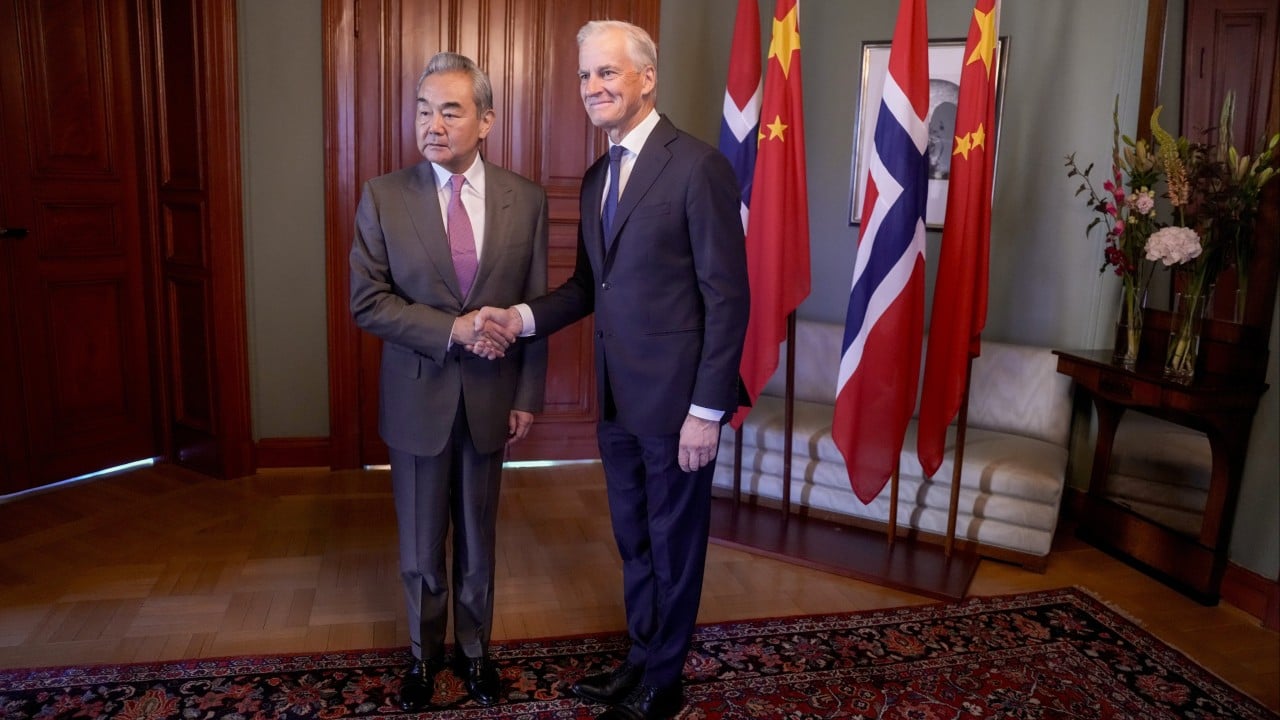
During a high-stakes meeting in Oslo on July 6, 2026, Norwegian Prime Minister Jonas Gahr Støre sat down with Chinese Foreign Minister Wang Yi and made a blunt, public appeal. He urged Beijing to use its direct line to the Kremlin to finally drag Russia to the negotiating table.
It sounds pragmatic on paper. China has unrivaled economic and diplomatic leverage over Moscow. But look closer at what Norway is offering, and the cracks in the strategy start to show. Oslo isn’t just asking for help; they’re offering a massive territorial concession on behalf of Ukraine just to get a ceasefire.
Here is why this development matters, what the West is giving up, and why counting on Beijing to play the peacemaker might be a historic miscalculation.
The Concession on the Table
For years, the official Western and Ukrainian line was unyielding: no peace without a total withdrawal of Russian forces to Ukraine's international borders.
Oslo just shattered that consensus.
Støre openly admitted that European officials are now pushing for a ceasefire based entirely on the current front lines. He didn’t sugarcoat it, calling it "a major concession from Ukraine's side" since the land in question sits squarely inside Ukrainian territory.
Let's look at what this means in plain terms:
- Freezing the conflict: A ceasefire on the current front line effectively locks in Russia’s territorial gains over the last four years.
- No preconditions: Norway is asking to start these talks without demanding that Russia pull back a single inch first.
- High stakes for Europe: The move highlights a growing sense of exhaustion among European leadership as the economic strain of the war drags on.
The shift is a stark reminder of the current reality. Western nations are feeling the squeeze. Budgets are stretched thin under intense defense spending demands, and the appetite for an endless war of attrition is drying up.
Why Europe is Knocking on Beijings Door
Norway’s logic is simple: nobody else can get Vladimir Putin to listen. "China is probably the country with the best and most direct access to the Russian leadership," Støre told reporters. He’s not wrong. Beijing’s economic lifeline has kept Russia afloat through waves of Western sanctions.
But Norway brought a carrot and a stick to the meeting.
The stick is the future of China's economic relationship with the West. Støre made it clear that while there is massive potential for deeper cooperation between Europe and China, Beijing's tight bond with Russia is a hard ceiling on that opportunity. Essentially, Europe is telling China: If you want better trade and smoother relations with us, you need to help us fix the mess you're helping Russia fund.
Norwegian Foreign Minister Espen Barth Eide tried to sound optimistic, labeling the talks "constructive and promising" and hinting that Chinese officials dropped a few subtle clues that they might be willing to act.
The Flaw in the Chinese Peace Strategy
It's easy to see why Europe wants to believe those hints, but relying on China to enforce peace is a dangerous game.
Beijing has spent years playing both sides of this conflict. While its diplomats pay lip service to "respecting the sovereignty of all nations," Chinese state enterprises have actively boosted exports to Ukraine—ironically selling solar panels and battery stations to help Ukrainians cope with the power grid destruction caused by Russian missiles. At the same exact time, China remains Moscow's primary economic shield.
China’s version of peace isn't about justice or international law; it's about stability that serves Chinese interests. A frozen conflict that leaves a weakened Russia dependent on Beijing while dividing Western attention suits China perfectly.
Furthermore, Western alliances are fracturing under the weight of the war. NATO members are facing immense pressure to boost defense spending to 5% of GDP by 2035, a goal that is already blowing massive holes in European budgets. By pressuring China to mediate, Europe is signaling weakness, showing Beijing that the West is running out of options and patience.
What Happens Next
If you're tracking the geopolitical fallout of this war, watch how Beijing responds over the coming weeks. If Wang Yi’s tour through Scandinavia leads to actual diplomatic movement, we could see a push for a formal summit by the end of the year.
However, don't expect a clean resolution. Even if China agrees to pressure Moscow into a ceasefire, a frozen front line is a ticking time bomb. It gives Russia time to rebuild its military, leaves Ukraine permanently fractured, and rewards territorial aggression.
For Europe, reaching out to Beijing might feel like the only card left to play, but it's a gamble that could fundamentally alter the global balance of power. If you want to understand where global security is heading, stop looking just at the front lines in Ukraine and start watching the diplomatic dance between Europe and Beijing.