Jeffrey Epstein didn't just escape the justice system in 2008—he turned his "punishment" into a predator's playground. If you think the most shocking part of the Epstein saga was his sweetheart deal, you haven't heard the latest from the survivors who were there while he was supposed to be under lock and key. The reality of his house arrest wasn't a prison sentence. It was a revolving door for abuse.
We're not just talking about a failure of oversight anymore. We're talking about a billionaire who, while technically serving time, allegedly raped a survivor in the very mansion he was ordered to stay in. This isn't some old conspiracy theory. It’s part of a growing body of testimony and court filings that paint a picture of a system that didn't just fail to protect people—it actively enabled their trauma.
The illusion of house arrest in Palm Beach
When Epstein pleaded guilty in 2008 to soliciting a minor for prostitution, the world thought the law had finally caught up. Instead, he got work release. He spent up to 12 hours a day at his office, and when he "went home" to his Palm Beach mansion, the abuse allegedly continued.
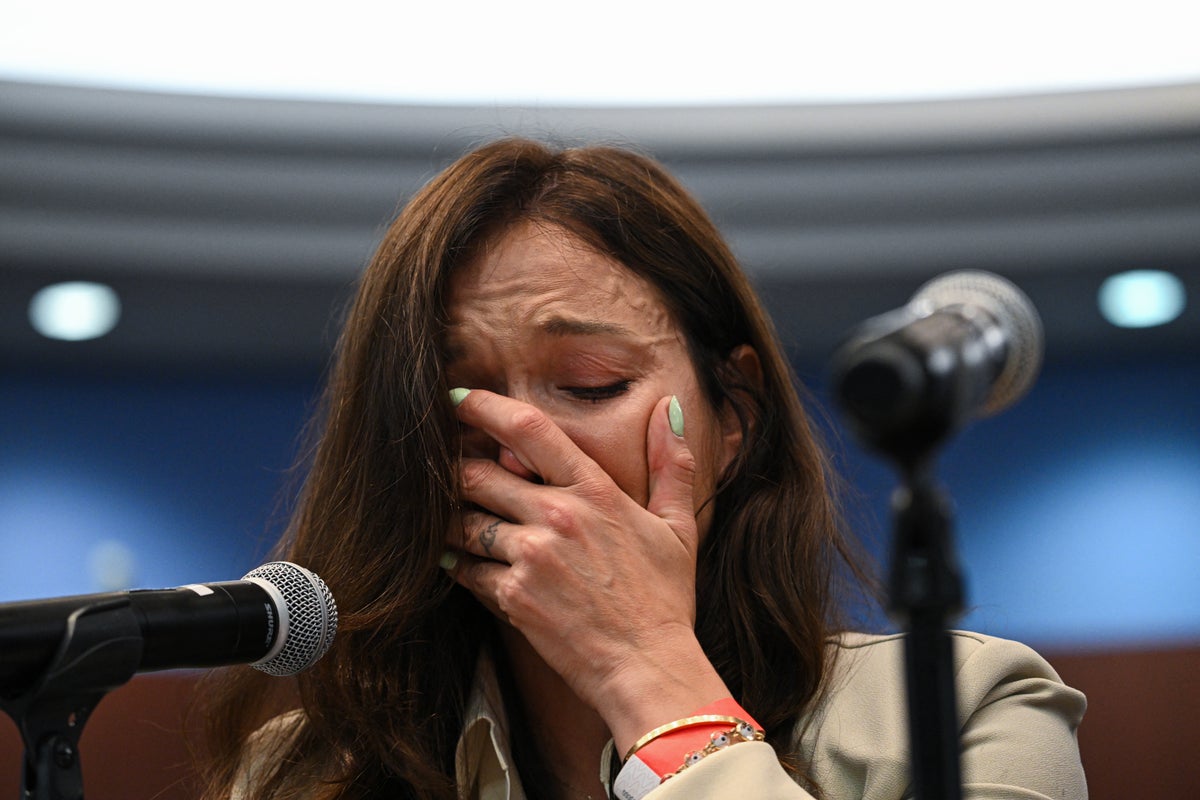
One survivor’s recent testimony reveals that the gates of that mansion didn't keep people out; they kept her trapped. She recounts being raped by Epstein during the period he was under house arrest. Think about that for a second. While the state of Florida and federal authorities were supposedly monitoring his every move, a billionaire was using his "confinement" to maintain his sexual abuse ring.
It makes you wonder what "monitoring" even meant to the people in charge back then. You've got a registered sex offender sitting in a luxury villa, and according to these accounts, the conveyor belt of young women didn't stop. It just moved indoors.
How the system's "cowardice" fueled the fire
During a recent field hearing in Palm Beach, survivors and advocates didn't hold back. They called the whole thing what it was: a systemic coverup fueled by the privilege of the elite. Congresswoman Ayanna Pressley and others pointed out that the harm didn't just come from Epstein himself. It came from the federal institutions that stayed silent.
- The Non-Prosecution Agreement (NPA): This deal was kept secret from the victims, which a federal judge later ruled was a violation of their rights.
- The Financial Enablers: Banks like JPMorgan and Deutsche Bank kept Epstein’s accounts open for a decade after his conviction, allowing him to wire thousands of dollars to women even while he was a known offender.
- The Social Network: While under house arrest, Epstein wasn't isolated. High-profile figures were still visiting or staying in contact, reinforcing his sense of untouchability.
I find it honestly sickening that the very people tasked with watching him were essentially acting as his security detail while he allegedly committed more crimes. The survivor testimony highlights that Epstein knew exactly who to target: kids from troubled backgrounds who wouldn't be believed if they spoke up. And for a long time, he was right.
Why this still matters in 2026
You might ask why we're still digging into this years after Epstein’s death in a Manhattan jail cell. It’s because the names in his contact books and flight logs—many of which are only now seeing the light of day—still hold power. The "client list" isn't just a meme; it’s a list of potential co-conspirators who have never faced a courtroom.
Survivors like Courtney Wild and Jena-Lisa Jones have spent years putting their lives on the line. When they apply for jobs today, their names are forever linked to this trauma because the government didn't do its job in 2008. The release of documents in early 2026 has been a double-edged sword. It brings truth, but as one survivor noted, it also "retraumatizes" them every time their names appear in a headline.
We have to stop treating this as a "celebrity scandal" and start seeing it as a massive, institutional breakdown. The fact that a man could be under house arrest and still commit rape isn't just a failure of a single probation officer. It's proof that if you have enough money, the walls of a prison are as thin as paper.
Accountability is the only way forward
The fight isn't over just because Epstein is gone. The focus has shifted to the enablers—the people who scheduled the "massages," the bankers who moved the money, and the powerful men who allegedly participated.
If you want to see actual change, start by supporting organizations that fight for survivor-centric justice and pushing for the elimination of laws that protect sex buyers. We need to demand that the names in those 2024 and 2025 document dumps lead to actual investigations, not just internet chatter.
Stop looking at this as a closed case. Every time a survivor speaks up about what happened behind the closed doors of that Palm Beach mansion during his "arrest," it's a reminder that the system is still protecting people it shouldn't. Don't let the noise of the news cycle bury the reality of what these women went through while the world was supposedly watching.
Survivor testimony on the Palm Beach hearing
This video provides a direct look at the emotional and legal impact the Epstein case continues to have on survivors as they testify about the systemic failures in Florida.