The lazy consensus among Hong Kong tourism planners and green academics is dangerously naive. They look at the millions of mainland visitors flooding Tsim Sha Tsui, look at the pristine trails of Sai Kung, and conclude that the city can effortlessly pivot to ecotourism. They spin a comforting narrative: by shifting focus from luxury shopping malls to country parks, the city can monetize its biodiversity while simultaneously protecting it.
This is a delusion. I have spent fifteen years analyzing tourism mechanics and resource allocation across Asia, and I have seen exactly how this story ends. Ecotourism is not a benign alternative to mass tourism. It is simply a more invasive species of it.
The premise that you can introduce mass flows of human capital into fragile, undeveloped ecosystems without fundamentally altering them is scientifically and logistically impossible. When you commodify nature under the guise of "eco-conscious travel," you do not save it. You just open up a brand-new frontier for degradation.
The Myth of the Managed Influx
The mainstream argument relies entirely on the fantasy of top-down management. Proponents point to global frameworks and suggest that if the Agriculture, Fisheries and Conservation Department (AFCD) simply installs better signage, builds a few viewing decks, and implements a "leave no trace" marketing campaign, the problem is solved.
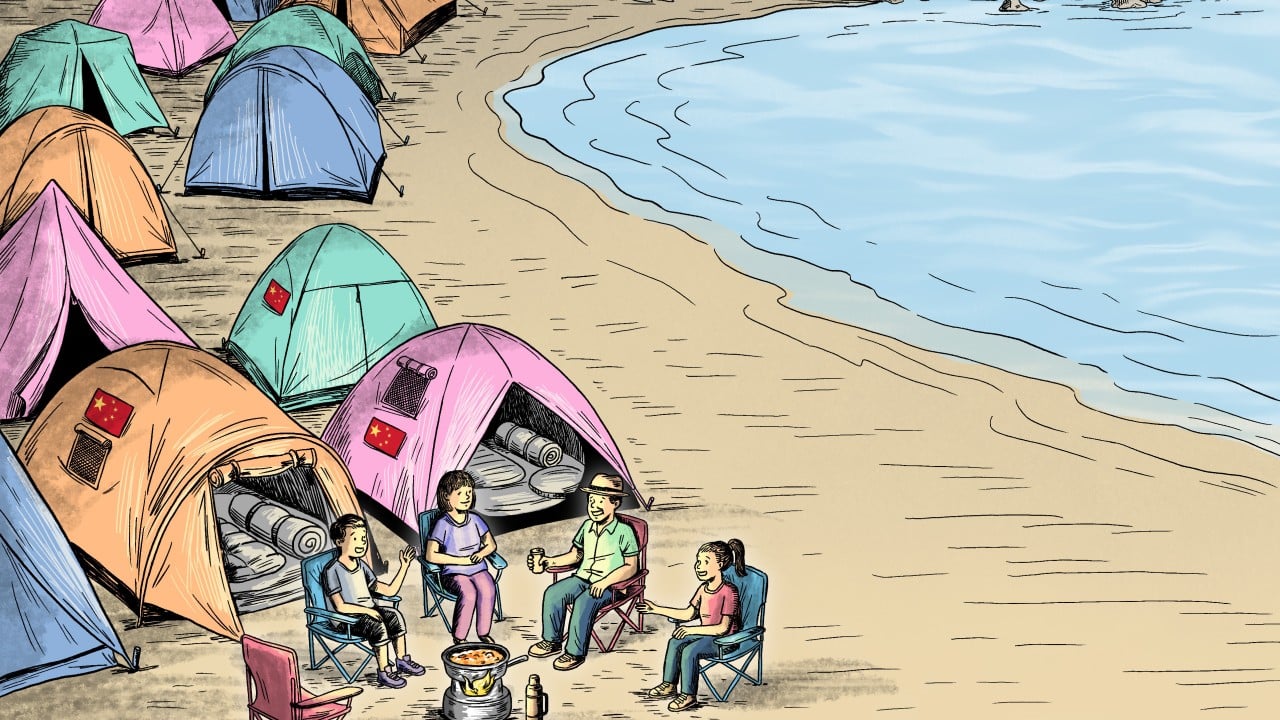
This completely ignores the harsh realities of human behavior and infrastructure limitations. During a recent Golden Week, over 900,000 mainland visitors entered Hong Kong. When even a tiny fraction of that volume shifts toward rural hotspots like Po Pin Chau or Sunset Peak, the local infrastructure instantly collapses.
Consider the logistical breakdown at Ham Tin Wan. The public toilets became an internet laughing stock due to horrific hygienic conditions. Why? Because rural infrastructure is designed for low-frequency use, not high-throughput industrial tourism.
When the government tried to eliminate trash bins from country parks to enforce the "leave no trace" philosophy, the policy backfired spectacularly. Tourists did not carry their waste back to the urban center; they dumped it on the trails. The government was forced to reinstall the bins, proving that administrative idealism always surrenders to practical reality.
Imagine a scenario where thousands of amateurs hike the treacherous paths of Ma On Shan daily. They do not stick to the designated trails. They cut corners, stomp through rare wild orchids, and disturb shy mammals like the Red Muntjac. The sheer physical presence of thousands of humans creates noise pollution and trail erosion that no bureaucratic master plan can mitigate.
Ecotourism Is Just Posh Extraction
True conservation is expensive, restrictive, and boring. Ecotourism is commercial, accessible, and photogenic. The two are fundamentally incompatible.
The moment a natural asset is designated as an ecotourism destination, it undergoes a transformation to optimize for the visitor experience. Let's break down the hidden costs of making nature "accessible":
| The Eco-Fantasy | The Operational Reality | The Ecological Impact |
|---|---|---|
| Low-impact boardwalks | Heavy machinery deployment | Habitat fragmentation and soil compaction |
| Remote village restoration | Concrete road widening and car park creation | Illegal greenbelt reclamation and runoff |
| Authentic local interaction | High-density homestay conversions | Waste management failure and greywater dumping |
Look at the abandoned villages across Hong Kong’s country parks. Activists want to revive them into eco-resorts. But to make these places legally compliant for modern hospitality, you need electricity grid extensions, sewage treatment systems, and vehicular access roads. The process of building the "eco-lodge" destroys the very isolation that made the location ecologically valuable in the first place.
I have seen developers across Southeast Asia burn millions of dollars trying to build "sustainable" resorts, only to realize that the carbon footprint of transporting premium clients and organic kale to a remote jungle outweighs any benefit. Hong Kong is no different. You cannot concrete over a greenbelt to build a parking lot for tour buses and call it environmental stewardship.
The Brutal Truth About Carrying Capacity
People always ask: "Can we just set a strict daily cap on visitor numbers to protect the parks?"
It sounds simple. It is not. Calculating an "acceptable visitor load" is a moving target that changes with seasonal migration patterns, weather conditions, and species breeding cycles. More importantly, enforcing a hard cap in an open-access country park system like Hong Kong’s is a political and enforcement nightmare.
Are you going to station riot police at every trailhead in Sai Kung to check digital permits? Will you turn away families who traveled hours because the daily quota for the Dragon's Back was reached at 9:00 AM?
If you do successfully restrict supply through a high-priced permit system, you transform public natural heritage into an exclusive playground for the wealthy. If you keep it cheap and open, you get the Golden Week crush. There is no middle ground where everyone wins.
Stop Trying to Sell Nature
The real solution to Hong Kong’s tourism stagnation is not to sacrifice its country parks to the ledger of economic diversification. It is to accept that some assets are inherently non-monetizable.
If Hong Kong wants to fix its tourism model, it needs to stop looking for new terrain to exploit and start fixing the urban experiences it already has. The city should focus on its hyper-dense urban core, its world-class culinary scene, and its cultural infrastructure like the Kai Tak Sports Park or the West Kowloon Cultural District.
Leave the country parks alone. The most radical, effective conservation strategy Hong Kong can adopt right now is absolute inertia. Do not build the viewing decks. Do not pave the shortcuts. Do not upgrade the rural toilets. Do not market the biodiversity on social media.
The best way to save Hong Kong's natural treasures is to keep them difficult, inconvenient, and unprofitable to visit.