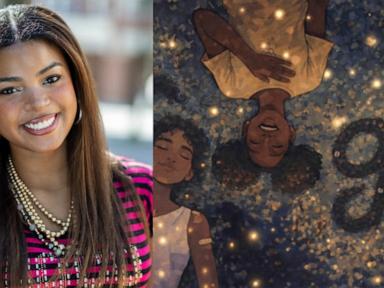
The High Cost of Free Labor
Every year, the tech press trips over itself to celebrate the "Doodle for Google" contest. They frame it as a heartwarming initiative to spark student creativity. They talk about "giving kids a shot" at re-designing the internet’s most valuable real estate.
It is a lie.
If you have spent ten minutes inside a design firm or a Big Tech marketing department, you know exactly what this is: a massive, crowd-sourced data collection engine and a cheap brand-loyalty play. Google isn't looking for the next great artist. They are looking for the next generation of users who associate the brand with "possibility" before they are old enough to understand antitrust laws.
We are witnessing the outsourcing of emotional branding to minors. While the winner gets a scholarship and some tech equipment, Google receives millions of dollars in free PR, a fresh look at the aesthetic preferences of Gen Alpha, and a massive trove of user-generated content they own the rights to use.
I have seen agencies charge seven figures for the kind of market research Google gets for the price of a few Chromebooks.
The Myth of the "Blank Canvas"
The competitor articles love to wax poetic about the "limitless imagination" of students. But look at the rules. Look at the prompts. This isn't art; it’s an exercise in brand compliance.
Students are forced to work within the rigid constraints of the Google logo. They aren't re-imagining the homepage. They are decorating a corporate monolith. By teaching kids that "creativity" means "finding a way to fit your vision inside a multi-billion dollar logo," we are training them to be cogs, not disruptors.
True design disruption would involve questioning why the search interface looks the same as it did in 1998. It would involve asking if a text-based search bar is even relevant in a world of LLMs and spatial computing. But Google doesn't want disruption. They want a fresh coat of paint on a monopoly.
The Scholarship Scam
Let’s talk about the math. A $30,000 scholarship sounds life-changing to a high schooler. To a company that pulled in over $300 billion in 2023, it is literally rounding error. It is less than the cost of a single midday catering spread at the Mountain View headquarters.
- Google's Investment: $30,000 + some hardware.
- Google's Return: Millions of impressions, positive brand sentiment, and direct access to the "student" demographic that is increasingly abandoning Google Search for TikTok.
If any other industry did this—say, if a tobacco company or a gambling firm asked kids to design "cool" packaging for a scholarship—the public would be screaming. But because it's a "tech tool" for "education," we hand them our children’s data and intellectual property with a smile.
Aesthetic Homogenization
The most insidious part of these contests is the "corporate Memphis" effect they have on young minds. When students see what wins, they learn to mirror the "Googley" aesthetic. They produce safe, colorful, non-threatening art that fits a specific corporate vibe.
This creates a feedback loop. We are effectively narrowing the range of visual expression in the next generation of designers. Instead of developing a unique voice, they are learning to design for the algorithm. They are learning to design for the "Like" button and the corporate judge.
The "People Also Ask" Delusion
You’ll see people asking online: "Does winning Doodle for Google look good on a college application?"
The honest, brutal answer? Hardly. Every admissions officer at a Tier 1 university has seen five "Doodle for Google" finalists. It has become the "Eagle Scout" of the tech world—a standardized box to check that signals compliance and the ability to follow instructions, not necessarily genius.
If you want a student to actually stand out, tell them to build something that competes with Google, not something that decorates it.
The Privacy Black Hole
Read the fine print. When a student enters, the parents are often signing away more than just a drawing. You are handing over contact information, demographic data, and a direct line to your household.
In a world where data is the new oil, these contests are the drills. Google gets to map the hopes, dreams, and visual trends of every zip code in America. They know what kids in rural Ohio care about versus kids in Manhattan based on the themes they draw.
This isn't a "shot at a redesign." It's a focus group where the participants pay for the privilege of being studied.
Stop Giving It Away
If you are a parent or an educator, stop pushing these corporate talent raids.
If a student is talented enough to win a national design contest, they are talented enough to be paid a professional rate for their work. They are talented enough to start their own brand, sell their own prints, or build their own platforms.
Encouraging them to "give their art to Google" is teaching them that their labor has no value unless a tech giant validates it. It’s the ultimate "exposure" trap, scaled to a national level.
We don't need more "Google Doodles." We need more students who realize that the homepage doesn't need a new drawing—it needs a competitor that treats users like people instead of products.
The next time you see a "Doodle for Google" announcement, don't reach for the crayons. Reach for a different browser.