Canada’s legal system doesn't mess around when it comes to international parental child abduction. It’s a harsh reality that an Indian-origin man is learning the hard way after his conviction in a high-profile case. He took a child across borders without consent. Now, he’s not just looking at a prison cell. He’s looking at a permanent exit from the country he called home. This isn't just a story about a family dispute gone wrong. It’s a legal warning shot about the intersection of criminal law and immigration status.
Most people think a conviction ends at sentencing. They’re wrong. For non-citizens in Canada, the real battle starts after the judge stops speaking. The threat of deportation is a second, often more permanent, punishment. It rips people away from their jobs, their remaining family, and the life they built.
Why Child Abduction Triggers Mandatory Deportation Risks
Canada takes a firm stance on "serious criminality." If you’re a permanent resident or a foreign national and you're convicted of a crime that carries a maximum sentence of at least 10 years, you’re in trouble. It doesn't matter if you only get sentenced to six months. The potential maximum is what counts. International parental child abduction under the Criminal Code falls squarely into this category.
The law sees this as a violation of the child's safety and the state's sovereignty. When this man took the child to India, he bypassed the Canadian court system entirely. That’s a move the Canada Border Services Agency (CBSA) rarely ignores. They view it as a fundamental breach of the conditions of staying in the country. You don't get to live here while actively defying the laws that protect the most vulnerable.
The process is pretty straightforward and brutal. Once the criminal conviction is locked in, the CBSA starts an investigation. They write up an inadmissibility report. This report basically says that because of the conviction, the person no longer has a right to stay in Canada. For "serious criminality," the right to appeal to the Immigration Appeal Division is often stripped away. You can’t just walk in and argue that you’re a good person who made one mistake. The law is rigid.
The Specific Case Details and Legal Fallout
In this specific instance, the man’s actions led to a long, international search. It wasn't a misunderstanding. It was a calculated move to remove a child from a mother’s care and hide them in India. Canadian courts are increasingly tired of "self-help" remedies in custody battles. They see it as a form of abuse.
The conviction carries weight. It proves beyond a reasonable doubt that the abduction occurred. In the immigration context, this is an open-and-shut case. The man is likely facing a Section 44 report. This is the first step toward a deportation order. Unless there are extreme circumstances—like a risk of torture in the home country—the path to removal is almost guaranteed.
The Myth of Using Culture as a Legal Shield
One common mistake people make is thinking that cultural norms will protect them in a Canadian courtroom. They think, "In my culture, the father has the final say," or "I was just taking the child to their ancestral home." Canada doesn't care. The moment you step onto Canadian soil, you’re bound by Canadian law. The "Best Interests of the Child" standard is the only thing that matters here.
This man likely tried to justify his actions. Maybe he felt the Canadian system was biased. Maybe he felt he had no other choice. But the law sees a kidnapping. By framing it as anything else, defendants often make their situation worse. It shows a lack of remorse. Judges and immigration officers look for accountability. If they don't see it, they have no reason to be lenient.
Deportation is a tool for public safety. The government argues that someone who abducts a child is a risk to the community. They aren't just a risk to their ex-partner; they're someone who ignores the rule of law. That makes them a liability.
How the CBSA Handles These Removals
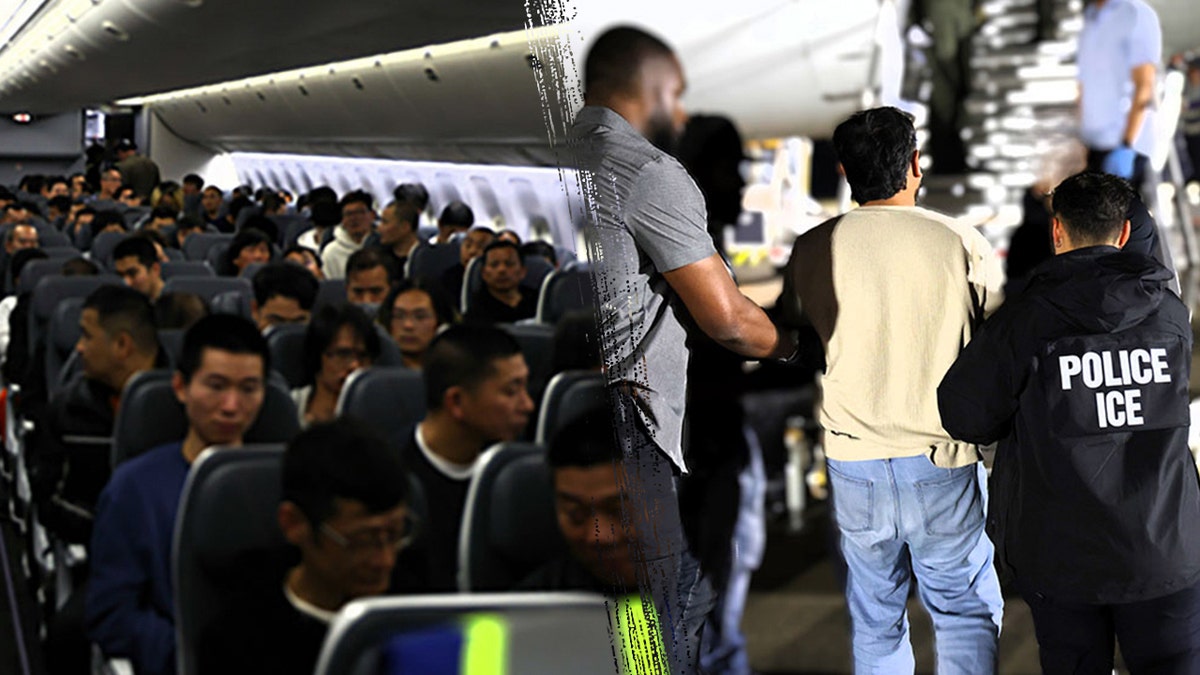
Removing someone from Canada isn't always instant, but it’s persistent. After the criminal sentence is served, the individual is usually handed over to the CBSA. They might be held in immigration detention if they’re considered a flight risk. Given that this man already fled the country once with a child, he’s the definition of a flight risk.
The logistics are a nightmare. The government has to secure travel documents from the Indian consulate. This can take months. During that time, the person sits in a cell or lives under strict reporting conditions. The stress is immense. It’s a slow-motion car crash that ends at an airport gate.
What Happens After Deportation to India
Once he’s back in India, the Canadian government is done with him. But the consequences don't stop. He’ll likely be barred from entering Canada for life. He won't be able to visit, work, or ever see the child again on Canadian soil. He becomes a "persona non grata."
The stigma in the community is also massive. News travels fast between Canada and India. He isn't just a man who came back home; he’s a man who was kicked out for a serious crime. That affects employment, social standing, and family relationships in both countries.
Navigating the Inadmissibility Process
If you find yourself or a loved one in a similar mess, you need to understand the timeline. You can't wait until the police show up at the door.
- Criminal Defense First: The immigration consequences depend entirely on the criminal outcome. A deal that sounds good in criminal court—like a suspended sentence—might still trigger mandatory deportation. You need a lawyer who understands both fields.
- The Section 44 Report: When the CBSA issues this, you have a very short window to respond. This is where you bring up "Humanitarian and Compassionate" grounds, though these are rarely successful for serious crimes.
- Pre-Removal Risk Assessment (PRRA): This is often the last stop. You have to prove that going back to India puts your life at risk. General claims of "it’s hard there" won't work. You need specific evidence of a personal threat.
Stop thinking that family court issues stay in family court. They bleed into every other part of your life. If you’re facing charges or thinking about taking a child without permission, talk to an immigration lawyer immediately. The cost of a mistake isn't just a fine or a few months in jail. It’s the loss of your right to live in this country.
The system is designed to be tough on this. It’s meant to deter others from thinking they can play games with children’s lives and international borders. For this Indian-origin man, the lesson is coming too late. The legal machinery is already in motion, and it rarely stops until the person is on a plane. Check your status, know the laws, and never assume your permanent residency is "permanent" if you break the law.