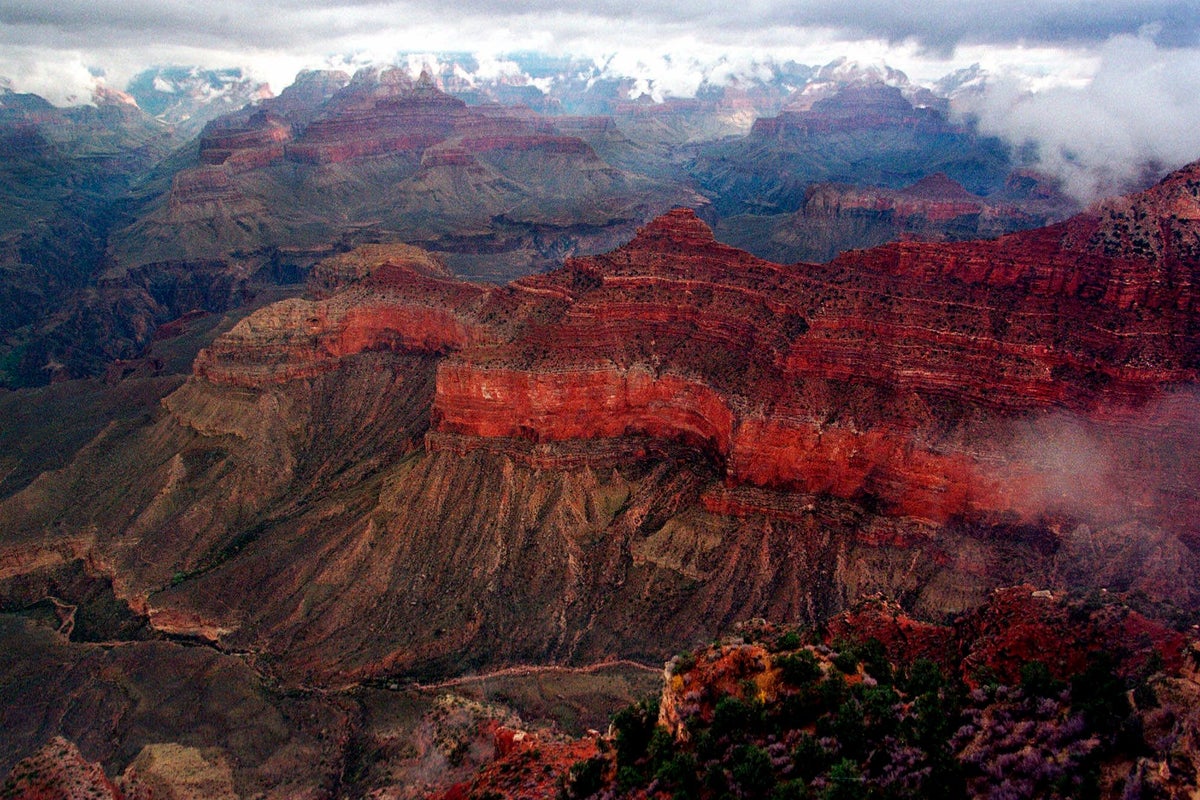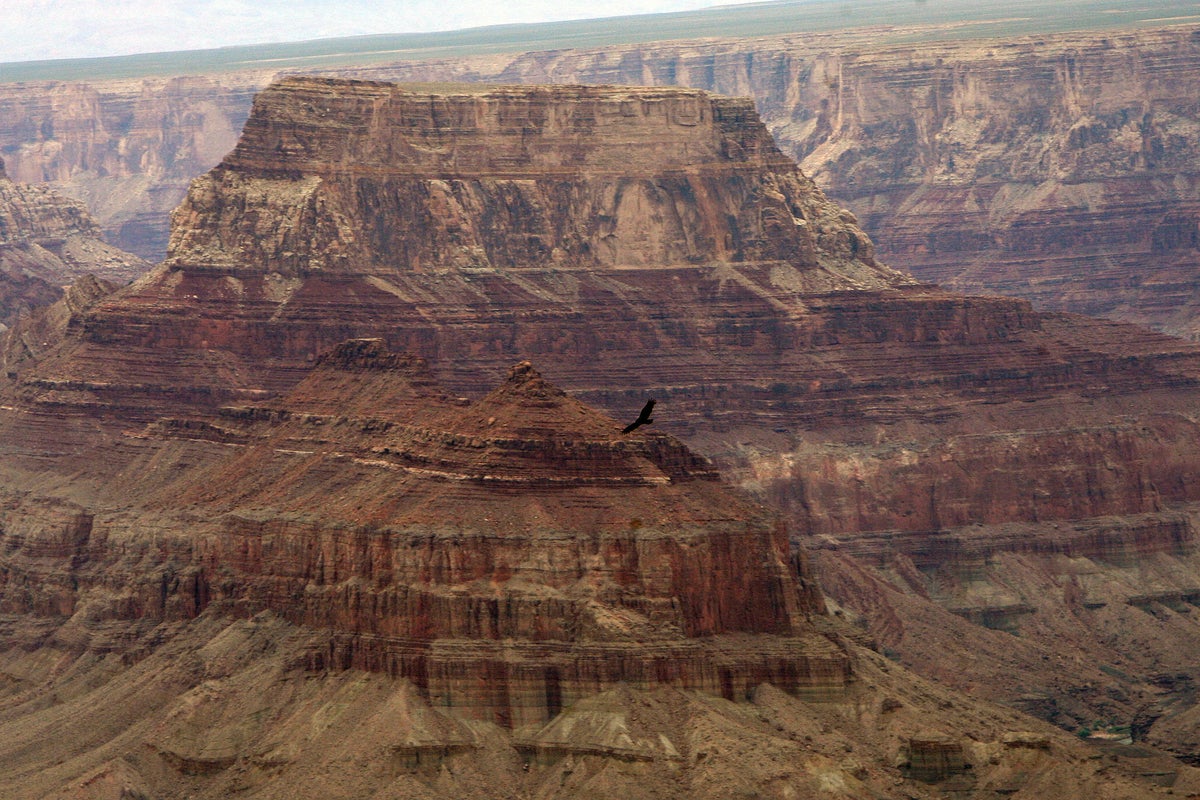
The Grand Canyon is a geographical trap. When three hikers lost their lives to extreme heat inside the national park within a single month, public reaction followed a familiar script of grief and disbelief. Media outlets reported the tragedies as isolated incidents of bad luck or simple dehydration. They were wrong. These deaths are the predictable result of a psychological phenomenon known as the "inverted mountain" effect, combined with a rapidly changing climate that renders traditional trail advice obsolete. Hikers are dying because the human brain is fundamentally unequipped to handle a landscape where the easiest part of the journey comes first, and the deadliest environment waits at the bottom.
The Inverted Mountain Trap
Most mountain climbing follows a logical progression. You start at the base, fatigue yourself during the ascent, and reach the summit where the air is coolest. If you run out of energy, turning back means walking downhill. Gravity assists your retreat.
The Grand Canyon reverses this entire dynamic.
When a hiker steps off the rim at 7,000 feet, the air is crisp, pine-scented, and deceptively cool. Walking down is effortless. The knees take a slight pounding, but the cardiovascular system barely works. This ease creates a false sense of security. As hikers descend deeper into the inner gorge, they are actually dropping into a desert sink where temperatures routinely soar 20 to 30 degrees Fahrenheit higher than at the rim.
By the time a traveler realizes they are in trouble, they have already committed their body to the most grueling physical challenge of their life. To survive, they must climb thousands of feet up sheer switchbacks in suffocating heat while already suffering from acute fatigue. They must fight gravity while their core temperature spikes.
The Furnace at the Bottom
The true danger of the canyon floor lies in a process called radiant heating. It is not just the air temperature that kills; it is the rock itself.
The deep canyon walls consist of ancient schist and sandstone. These dark rock formations absorb intense solar radiation all day long. They act like the bricks of a pizza oven, storing heat and radiating it back out into the narrow corridors of the trails.
At the Phantom Ranch weather station, official temperatures might read 115 degrees Fahrenheit in the shade. But out on the exposed rock of the Bright Angel or South Kaibab trails, the ground temperature can easily top 130 degrees. This creates a microclimate where the human body can no longer cool itself through sweating.
When ambient temperatures exceed human skin temperature, the body relies entirely on evaporation to shed heat. In the ultra-dry air of Arizona, sweat evaporates instantly, often before a hiker even notices they are sweating. This leads to a massive, unrecognized loss of fluids and essential electrolytes.
The Myth of Water Alone
Park rangers frequently encounter a paradox during rescue operations. They find hyperthermic hikers who still have full water bottles, or conversely, individuals who drank gallons of water and still collapsed. This highlights a critical misunderstanding of wilderness medicine: water alone will not save you from extreme heat.
Drinking massive quantities of plain water without replacing lost salts leads to hyponatremia, a dangerous dilution of sodium levels in the blood. The symptoms mimic heat stroke, including confusion, fatigue, and vomiting. When a hiker becomes disoriented from hyponatremia, their ability to make rational decisions evaporates. They make fatal choices, like leaving the shade, stripping off protective clothing, or pushing forward when they should stop.
Consider a hypothetical hiker who trains for months on a treadmill in an air-conditioned gym. They might have excellent cardiovascular fitness, but their body is not acclimatized to high ambient temperatures. If they attempt a rim-to-river hike in July carrying only clear water, their body will lose sodium through sweat faster than their kidneys can compensate. Within hours, their brain swells slightly from fluid imbalance, leading to poor coordination and eventual collapse. Fitness cannot override biochemistry.
The Failure of the Infrastructure Resiliency
The National Park Service faces an uphill battle that infrastructure alone cannot win. The Grand Canyon is vast, and rescue operations are logistically complex.
Helicopters cannot fly effectively in extreme heat. As air temperatures rise, air density decreases, which severely reduces a helicopter’s lift capacity. When temperatures at the bottom of the canyon hit 115 degrees, a rescue chopper often cannot land or safely lift off with a patient. Rangers are forced to conduct rescues on foot or using mules, transforming a quick medical evacuation into an agonizing, multi-hour ordeal.
Furthermore, the park’s main water pipeline, which supplies drinking water to various trail stations, is decades old and prone to frequent breaks. When a pipeline fails in the middle of a heatwave, critical water filling stations go dry, leaving hikers stranded without a safety net.
Changing the Mental Model
Relying on warning signs at trailheads is no longer sufficient. The existing strategy of telling hikers to turn around by 10:00 AM does not account for the sheer momentum of a descent.
To curb these preventable fatalities, the culture surrounding extreme tourism must change. Adventure seekers need to view the Grand Canyon not as a scenic bucket-list item to be conquered, but as an upside-down Everest. You do not stroll into the death zone of a mountain without weeks of preparation, precise logistical support, and a deep respect for the elements. The inner gorge demands the exact same reverence.
If you choose to descend into that oven during the summer months, you are betting your life on your body's ability to cool itself against the laws of thermodynamics. It is a bet that a growing number of visitors are losing.