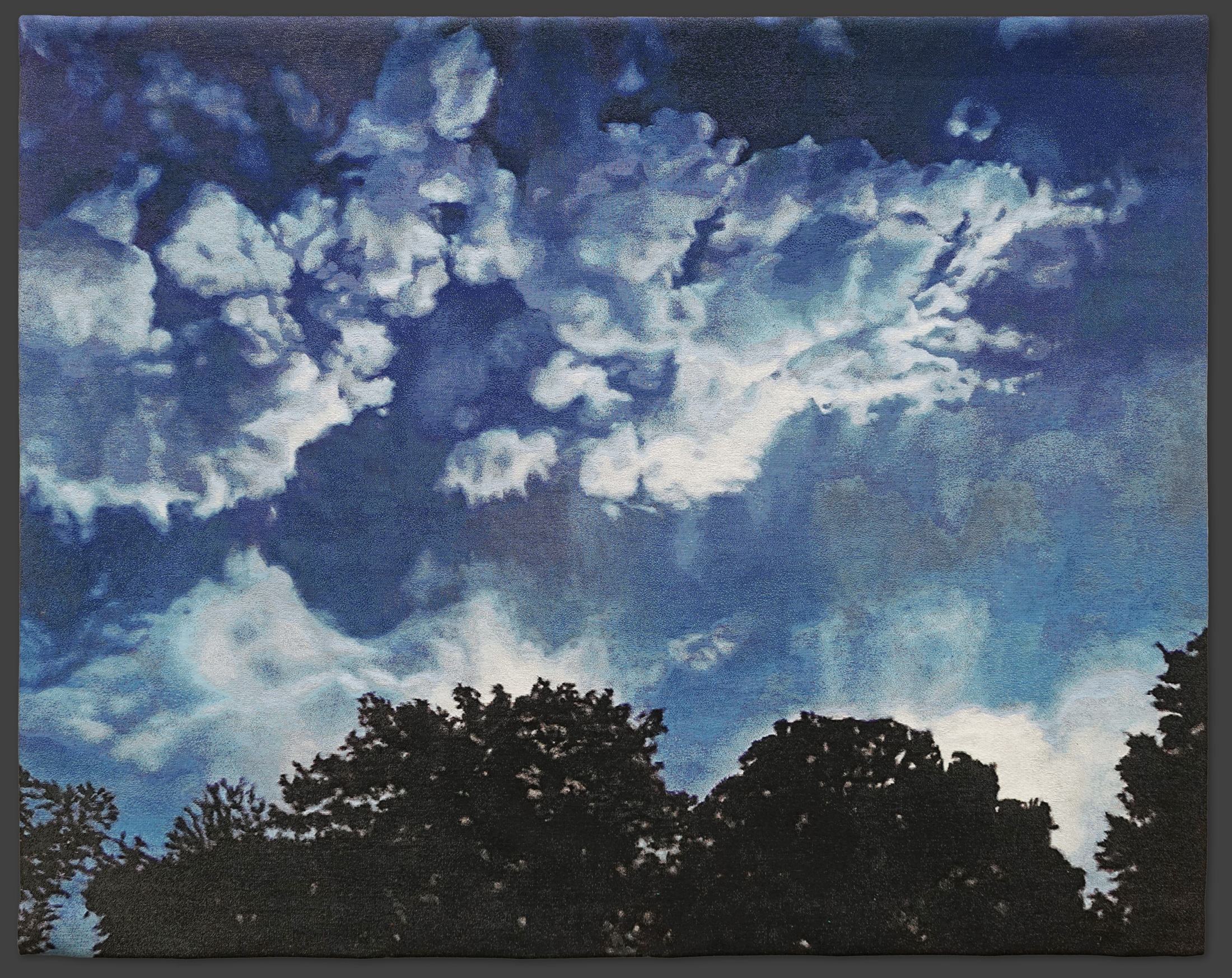
The air in Sudlersville usually smells like damp earth and diesel. It is a place where the silence is heavy, broken only by the rhythmic hum of a passing tractor or the wind catching the corners of a corrugated metal barn. On a Tuesday morning, the town of roughly 500 people doesn’t look like the center of a national firestorm. It looks like a place trying to hold onto its breath.
But the breath is becoming labored.
A proposal to build a private immigration detention center here has turned a quiet stretch of Maryland’s Eastern Shore into a battlefield of ideologies. On one side of the gravel road, there is the promise of money—the kind of economic injection that small towns pray for when the shops on Main Street start to shutter. On the other side, there is a visceral, bone-deep fear that their backyard is about to become a warehouse for human misery.
The Quiet Sound of a Changing Horizon
Imagine—and this is no metaphor, but a daily reality for those living on the periphery of the site—walking to your mailbox and seeing the silhouette of a facility designed to hold hundreds of people against their will.
For the locals, this isn't about high-level policy or the warring heads on cable news. It is about the physical transformation of their home. A detention center isn't a factory. It doesn't produce a product. It produces a perimeter. It brings high-intensity lighting that bleeds into the night sky, erasing the stars that generations of Sudlersville families have used to find their way home. It brings rolls of concertina wire that glisten under the sun, a sharp reminder that some people are inside and everyone else is outside.
The protesters who gathered recently weren't just activists from the city. Many were neighbors. They stood with hand-painted signs, their boots muddy from the fields. They spoke about "the soul of the county."
What happens to a community's identity when its primary employer is a jail?
The economic argument is a seductive one. Proponents point to the jobs—guards, administrators, maintenance crews. They talk about the tax revenue that could pave the roads and fund the schools. In a region where the traditional pillars of agriculture and small-scale industry are wobbling, a multimillion-dollar contract feels like a life raft.
But a life raft made of lead can still sink you.
The Invisible Stakes of a Private Bed
The facility in question would be run by a private corporation, not the government. This is where the math gets cold. In the world of private detention, a human being becomes a "bed night." To turn a profit, those beds must be filled.
Consider a hypothetical young man named Elias. He isn't a statistic. He is a person who might have lived in a neighboring county for a decade, washing dishes or roofing houses, paying into a system that now wants to categorize him as a line item. If Elias is detained in Sudlersville, his presence contributes to the local economy only through the cost of his confinement.
The moral friction here is sandpaper on the skin of the community. When a town’s prosperity is directly tied to the number of people behind bars, the incentive structure of that town shifts. The goal is no longer growth; it is occupancy.
During the rallies, the rhetoric often split into two distinct dialects. There was the language of law and order—the assertion that rules are rules and borders must be firm. Then there was the language of the dinner table—the stories of grandfathers who arrived with nothing and the fear that a detention center creates a "climate of dread" that ripples out far beyond the facility's walls.
The Cost of the Guard Tower
There is a psychological weight to living near a cage.
Psychologists often speak about the "environmental shadow" of carceral institutions. It changes the way people interact. It introduces a subtle, persistent tension into the local culture. In a small town like Sudlersville, where everyone knows whose truck is parked at the diner, the introduction of a high-security facility brings an influx of strangers—not tourists, but transient workers and federal agents.
The protesters argued that the facility would make the Eastern Shore a "target" for increased surveillance. They worry about the "knock at the door" becoming the defining sound of their neighborhood.
One woman at the rally, her face weathered by years of outdoor work, didn't talk about politics. She talked about the light. "I don't want to see the searchlights from my porch," she said. "I moved here because it's dark at night. I moved here because it's peaceful."
Peace is a fragile commodity. Once you trade it for a paycheck, you rarely get the chance to buy it back.
A Bridge or a Barrier
The Maryland legislature has tried to intervene in the past, passing laws to limit the ability of local governments to enter into these contracts. Yet, the legal loopholes remain as wide as the Chesapeake. The struggle in Sudlersville is a microcosm of a larger American identity crisis. Are we a nation that builds bridges to integrate, or are we a nation that builds facilities to isolate?
The facts are stark: Maryland has become a focal point for this debate because of its proximity to the capital and its complex mix of deep-blue urban centers and deeply conservative rural pockets. The Eastern Shore often feels like a different state entirely, forgotten by the power players in Annapolis until something like a detention center proposal brings the cameras to the cornfields.
The protesters' anger isn't just about immigration. It's about agency.
It's about the feeling that their land is being used as a dumping ground for a problem that the rest of the country refuses to solve. They feel like pawns in a game where the board is made of concrete and the pieces are human lives.
If the facility goes up, the landscape changes forever. The birds that nest in the surrounding marshes will still fly, but they will fly over a monument to our inability to find a better way. The "invisible stakes" are the children who will grow up thinking that a massive, guarded complex is just a normal part of the horizon—like a silo or a church steeple.
The Final Threshold
On the day of the protest, as the sun began to dip behind the line of trees, the crowd started to thin. The signs were stacked in the backs of SUVs. The chants faded.
What remained was the site itself. Empty for now. Just grass and dirt.
If you stand there long enough, you can almost hear the future. You can hear the sound of heavy gates sliding shut. You can hear the hum of the air conditioning units keeping the "bed nights" cool. Or, if the protesters have their way, you can hear nothing but the wind.
The choice isn't just about a building. It's about what we want to see when we look out the window at three in the morning. Do we want to see a community that took the easy money and built a wall, or do we want to see a town that decided some things aren't for sale?
The ghosts of the decision haven't arrived yet. But they are waiting at the county line, watching the light fade over the fields of Maryland.