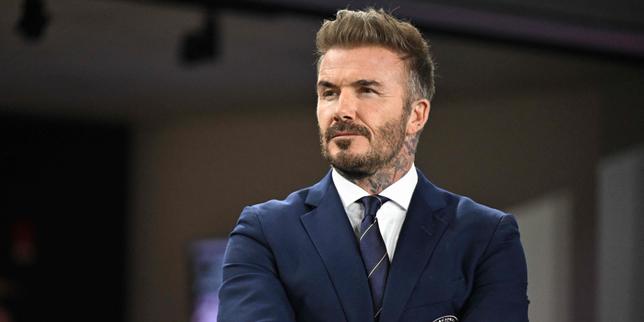
The Walk of Fame selection committee recently announced that David Beckham will receive a star on Hollywood Boulevard. While fans celebrate this as a lifetime achievement award for a sporting icon, the reality is far more calculated. This is not a spontaneous coronation. It is a highly strategic, corporate maneuver executed by a sophisticated marketing apparatus to solidify a British brand in the heart of American entertainment. The honor marks the culmination of a decades-long transition from athlete to corporate entity.
To understand how a retired soccer player secures prime real estate on a sidewalk historically reserved for actors and musicians, you have to look past the pitch. You have to look at the money.
The Hollywood Commerce Machine
The Hollywood Walk of Fame is frequently misunderstood as an merit-based academy award for general popularity. It is not. It is a business transaction.
The process requires a nomination, an agreement by the celebrity to attend the ceremony, and a steep sponsorship fee. Currently, that fee sits at $75,000. This sum is typically paid by a movie studio, a record label, or, in Beckham’s case, a massive personal brand conglomerate. The Hollywood Chamber of Commerce receives hundreds of nominations a year. They select around 30. The choice rarely hinges on talent alone; it depends heavily on the promotional push behind the application.
Beckham’s nomination did not happen in a vacuum. It aligns perfectly with the ongoing expansion of his media company, Studio 99, and his continued investments in Major League Soccer. The star is a physical billboard. It is a permanent marker of American cultural relevance that will be photographed by millions of tourists, inflating the valuation of the Beckham brand for decades.
Who Actually Pays for the Star
The financing of a Walk of Fame star rarely comes out of the celebrity's personal bank account. Behind the scenes, a network of corporate sponsors and production partners usually foots the bill.
- Corporate Sponsors: Brands with long-term endorsement deals use the event for global PR campaigns.
- Production Companies: Studios use the ceremony to generate buzz for upcoming documentaries or film projects.
- Ownership Groups: Sports franchises and investment firms leverage the prestige to increase organization value.
From Corner Kicks to Corporate Boardrooms
Beckham’s trajectory changed permanently in 2007. When he left Real Madrid to sign with the Los Angeles Galaxy, the soccer world was stunned. On paper, it looked like a step down into a developmental league.
It was a brilliant financial play.
Beckham's MLS Contract Structure (2007)
├── Base Salary: $6.5 Million/Year
├── Revenue Sharing: Percentage of all Galaxy merchandise & tickets
└── Expansion Option: Right to buy an MLS franchise for a fixed $25 Million
The contract was a masterclass in long-term asset acquisition. The fixed-price option to buy an expansion team eventually birthed Inter Miami CF. Today, that franchise is valued at over one billion dollars, fueled by the arrival of Lionel Messi. The Hollywood star is the ultimate validation of that 2007 gamble. He did not just play in Los Angeles; he conquered the city's unique blend of entertainment and capitalism.
The crossover appeal was deliberate. By embedding himself in the Southern California ecosystem, Beckham transformed from a British sports star into a global entertainment mogul. He became a fixture at Hollywood parties, secured high-end fashion campaigns, and built a network of influential American allies.
The Myth of the Pure Sporting Icon
Purists often argue that athletic achievements should stay confined to the stadium. They view the Hollywood star as an dilution of Beckham's legitimate soccer legacy. He was, after all, a generational talent with a legendary right foot, six Premier League titles, and a Champions League trophy.
But Beckham realized early on that athletic prime is fleeting. Knees blow out. Speed fades. Brands, however, can endure indefinitely if properly managed.
Athletic Legacy vs. Entertainment Brand
─────────────────────────────────────────────────────────
Athletic Prime:      ~10-15 Years (Highly Volatile)
Entertainment Brand:  Infinite (Scalable & Diversified)
The transition was not without friction. During his playing days, managers like Sir Alex Ferguson openly criticized Beckham’s focus on celebrity culture, fearing it detracted from his performance on the pitch. The tension between sporting excellence and commercial exploitation defined the second half of his career. The Walk of Fame honor proves that, in the long run, the commercial strategy won out completely.
The Streaming Era Multiplier
The modern celebrity needs more than paparazzi photos; they need narrative control. The 2023 Netflix docuseries Beckham served as the definitive audition tape for this Hollywood milestone.
The series was not a raw, independent piece of investigative journalism. It was co-produced by Beckham’s own Studio 99. It was a beautifully shot, carefully curated piece of revisionist history that humanized the star, addressed old controversies on his own terms, and introduced him to a younger generation of viewers who never saw him play live.
The documentary achieved exactly what it was designed to do. It generated massive viewership, renewed cultural conversations, and reminded Hollywood executives of his immense marketability. The Walk of Fame star is the direct dividend of that streaming success. It provides a tangible anchor for a media company that aims to produce content for other athletes looking to replicate the same blueprint.
The Fragility of the Corporate Athlete
Maintaining this level of cultural saturation comes with immense risk. When you become a brand, your personal life becomes a balance sheet. Every business alliance faces intense scrutiny.
Beckham learned this firsthand during the 2022 World Cup in Qatar. His multi-million dollar ambassadorship deal for the tournament drew fierce criticism from human rights organizations and longtime fans. The controversy threatened to tarnish the carefully cultivated image of the progressive, metrosexual icon. It was a stark reminder that corporate millions often come with significant reputational liabilities.
The Hollywood star acts as a form of reputational insurance. It cements an individual into the bedrock of American pop culture, creating a layer of prestige that is difficult to erode, even when controversial business decisions threaten the brand's integrity.
The Blueprint for the Modern Athlete
Beckham created the template that modern superstars now follow instinctively. LeBron James, Kevin Durant, and Travis Kelce are no longer content with just playing contracts and shoe deals. They want production companies, venture capital funds, and equity stakes in sports franchises.
The walk down Hollywood Boulevard is no longer reserved for those who can act, sing, or direct. It is open to the master corporate navigators who understand that entertainment is the ultimate magnifier for sports wealth. When the bronze star is unveiled on the sidewalk, onlookers will see the name of a legendary soccer player. The industry insiders standing in the front row will see something else entirely: a flawlessly executed twenty-year corporate business plan.