The night sky over Cape Canaveral doesn't feel empty when you are standing on the tarmac, waiting for a launch. It feels heavy. The air is thick with humidity, salt, and the low-frequency hum of machinery that never sleeps. If you look up, past the glare of the floodlights bouncing off stainless steel, the Moon hangs there like an ancient, scarred marble. It looks peaceful. It looks silent.
It is a deception.
Right now, a quarter of a million miles above our heads, that silent gray rock is becoming the most contested piece of real estate in human history. We are not just looking at it anymore. We are racing toward it. And unlike the mid-century sprint that defined the childhoods of our grandparents, this time the finish line doesn't disappear once someone plants a flag. This time, whoever wins gets to dictate the rules of the next century.
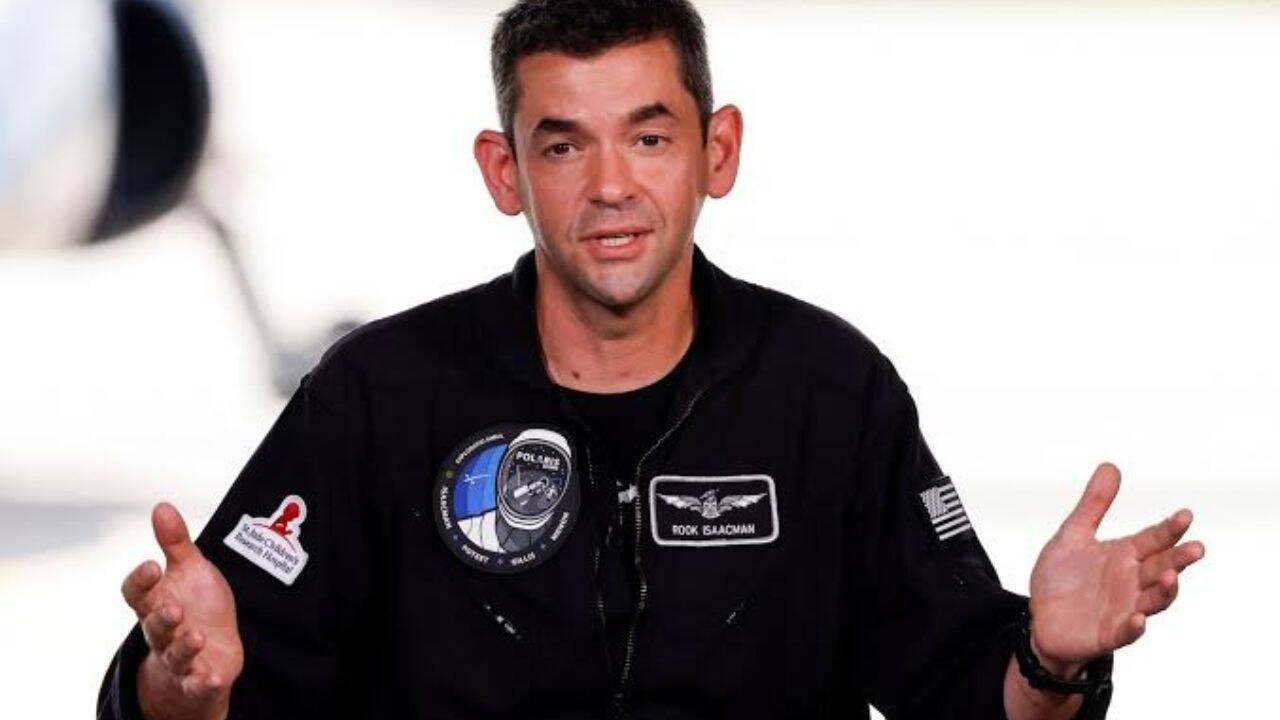
The realization doesn't hit you in a boardroom or through a press release. It hits you when you look at the sheer scale of the hardware being forged in the deserts of Texas and the secured facilities of Hainan. NASA Chief Jared Isaacman recently put a name to the shadow that aerospace engineers have been chasing for years: the new space race is already here. The target is 2030. The competitor is China.
To understand the weight of this moment, we have to look past the sterile acronyms and the budget justifications. We have to look at the dust.
The Geography of Insomnia
Imagine a hypothetical surveyor named Sarah. She isn’t real, but the problem she faces every morning at her workstation is brutally authentic. Sarah’s job is to map a region of the lunar South Pole called the Shackleton Crater.
On a map, Shackleton looks like a jagged tooth. In reality, it is a place of profound darkness and blinding light. Because of the Moon’s tilt, the interior of this crater hasn't seen sunlight in billions of years. It is cold enough to freeze nitrogen. But on the rims of this crater, the sun hits almost continuously.
This is the premium real estate. Why? Because if you place a solar array on the rim, you have endless power. If you drop a robotic drill into the dark bottom of the crater, you find water ice.
Water is not just for drinking. Water is oxygen to breathe. Water, when split into hydrogen and oxygen, is rocket fuel. Shackleton Crater is the ultimate gas station at the edge of the void.
But there is a catch. The areas of permanent shadow that hold this cosmic gold mine are tiny. They are finite. If one nation establishes a base on the rim and declares a "safety zone" around its operations—a perfectly legal maneuver under current interpretations of international space frameworks—everyone else is locked out.
This isn't about pride. It is about resources.
Consider the sheer momentum of China's Lunar Exploration Program. They didn't just decide to go to the Moon yesterday. They have been checking off milestones with the methodical precision of a clockmaker. They landed on the far side of the Moon—something no one else had done. They brought back samples. They mapped the subsurface with radar. When Beijing says they will have astronauts walking on the lunar surface by 2030, the people building American rockets don't laugh. They work longer hours.
The timeline is compressing. The buffer is gone.
The Illusion of the Loneliest Place
We grew up with the black-and-white footage of Neil and Buzz. It felt poetic. Two men alone in a desolate landscape, separated from humanity by an ocean of nothingness. It was a beautiful, singular moment of exploration.
That era is dead.
The next landing will not be a lonely event. It will be crowded, if not by bodies, then by signals. The orbit around the Moon is already filling up with automated scouts, cube-sats, and communication relays.
When Isaacman points out that the race is on, he is acknowledging a fundamental shift in how we view the solar system. The Moon is no longer a destination; it is a stepping stone. It is the testbed for everything that comes next, including Mars. If you cannot secure your supply lines and your industrial footprint on the Moon, you are effectively grounded while the rest of the world moves outward.
Think of it as a maritime gold rush, but the ocean is vacuum and the ships cost billions.
The vulnerability of this enterprise is what keeps engineers awake at three in the morning. Space hardware is notoriously fragile. A single stray pebble of space debris can end a mission. Now, introduce geopolitical tension into that fragility. If an American rover and a Chinese rover end up targeting the same pristine patch of ice in the Chang'e-7 or Artemis III landing zones, who blinks first? There are no traffic cops at the lunar south pole. There are no courts.
The Weight of the Tools
Walking through an aerospace manufacturing facility today is an exercise in sensory overload. The smell of volatile organic compounds and cured carbon fiber hangs in the air. You hear the rhythmic, high-pitched scream of CNC machines carving bulkheads out of solid blocks of lithium-aluminum alloy.
These are the tools of survival.
Every gram matters. To lift a single gallon of water from Earth into space requires an extraordinary amount of energy. The math is unforgiving. If we have to haul everything we need from the bottom of Earth's gravity well, we will never stay. The only way to build a permanent presence in the night sky is to live off the land.
- The American Strategy: Relying on a complex web of commercial partnerships, bleeding-edge heavy lift rockets, and the international Artemis Accords to distribute the cost and the risk.
- The Chinese Strategy: A centralized, state-directed push with massive, predictable funding, building a rival coalition of nations under the International Lunar Research Station banner.
It is a clash of philosophies played out in titanium and software code.
The truth is, we are running out of days. 2030 sounds like the future when you say it out loud, but in aerospace timelines, it is tomorrow morning. A rocket engine designed today might not fly for five years. The decisions being made in quiet conference rooms in Washington and Beijing right now are locking in the fate of those future crews.
The Cold Horizon
The Sun eventually sets over the launchpads in Florida, leaving the structures silhouetted like skeletal giants against the purple twilight. It is quiet for a moment, save for the wind coming off the Atlantic.
We often treat space as something abstract, a distraction from the messy, broken reality of life on Earth. We look at the billions spent and wonder why we bother when there are roads to fix and hungry people to feed. It is a fair question. It is an honest doubt.
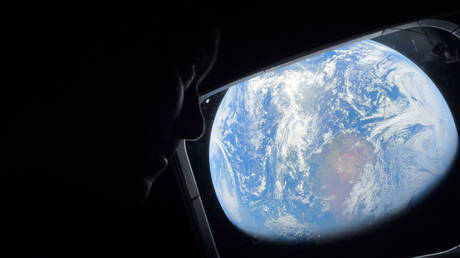
But history shows us that human beings do not leave empty spaces empty for long. Someone will fill the void. The people who stand on the rim of the Shackleton Crater in 2030 will look back at Earth and see a tiny, fragile blue dot hanging in the dark.
They will also look down at their own boots. The color of the flag patched onto the shoulder of those spacesuits will determine who writes the laws of the frontier, who owns the water that fuels the journey to the stars, and whether the moon remains a monument to human achievement or becomes the first outpost of a terrestrial cold war.
The race isn’t coming. It is happening right now, under our feet and over our heads, silent and relentless.