China isn't just stocking up on Russian oil to keep its economy humming. Look closely at the customs data and you'll see something that seems to defy the logic of geopolitics. Beijing is quietly and aggressively ramping up its imports of Ukrainian wheat flour. It's a move that should make everyone pause. Why would the world's second-largest economy lean so heavily on a breadbasket currently under siege?
The answer isn't about sentiment or supporting an underdog. It’s about cold, hard food security and a massive shift in how global supply chains operate. While the headlines focus on tanks and drones, the real story is written in grain silos and shipping manifests. China has realized that relying on any single source for its massive food needs is a recipe for disaster.
The Surge in Ukrainian Flour Shipments
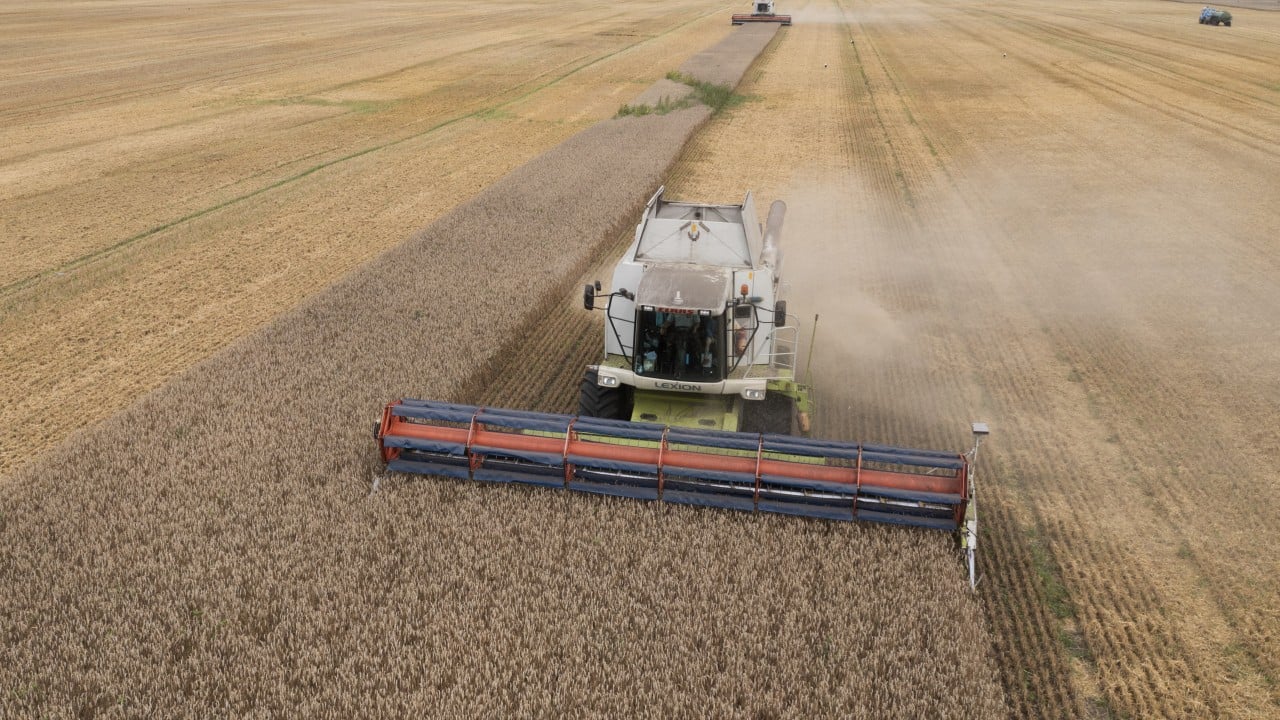
China's appetite for Ukrainian agricultural products didn't start yesterday. It’s been building for years, but the recent spikes in flour imports are staggering. We aren't talking about small-scale baking supplies here. These are industrial quantities meant to feed a nation that’s increasingly moving away from just eating rice.
The numbers tell the tale. Even with the Black Sea grain routes constantly under threat, Ukraine managed to export millions of tons of agricultural goods. China remains one of the top destinations. For the Chinese government, this is a calculated risk. They know Ukraine can produce high-quality wheat at prices that even their own domestic farmers struggle to match.
But it’s not just about the raw grain. The shift toward processed flour represents a higher value-add. It’s easier to transport in some contexts and ready for immediate use in China's booming food processing sector. You can see the logic. Why buy the wheat and mill it yourself when you can get the finished product delivered directly to your ports?
Diversification as a Survival Tactic
Beijing is obsessed with "food sovereignty." They remember history. They know that a hungry population is a restless one. For years, they leaned on the United States, Australia, and Canada for grain. But trade wars and political tensions made those relationships feel shaky.
Ukrainian wheat flour offers an alternative that doesn't come with the same political baggage as a deal with Washington. It’s a way to keep the domestic flour price stable while showing the world they can get what they need from multiple sources. It’s basically a massive hedge against global instability.
Don't assume this is an "either-or" situation with Russia. China is buying plenty of Russian commodities. They’re just smart enough to know they shouldn’t put all their eggs in one basket—or all their dough in one oven. By keeping the doors open to Ukraine, they maintain a leverage point that most other countries have lost.
Quality and the Industrial Demand
If you think this flour is just for home bakers making dumplings, you’re missing the scale. China’s industrial food sector is a behemoth. We're talking about instant noodles, steamed buns, and processed snacks on a scale that’s hard to visualize.
Ukrainian wheat has a reputation for high gluten content and protein levels that are perfect for these specific industrial needs. It’s tough. It’s consistent. It holds up well in mass production. Chinese buyers aren't buying Ukrainian because they want to be nice. They're buying it because the quality-to-price ratio is almost unbeatable.
Shipping Logistical Nightmares
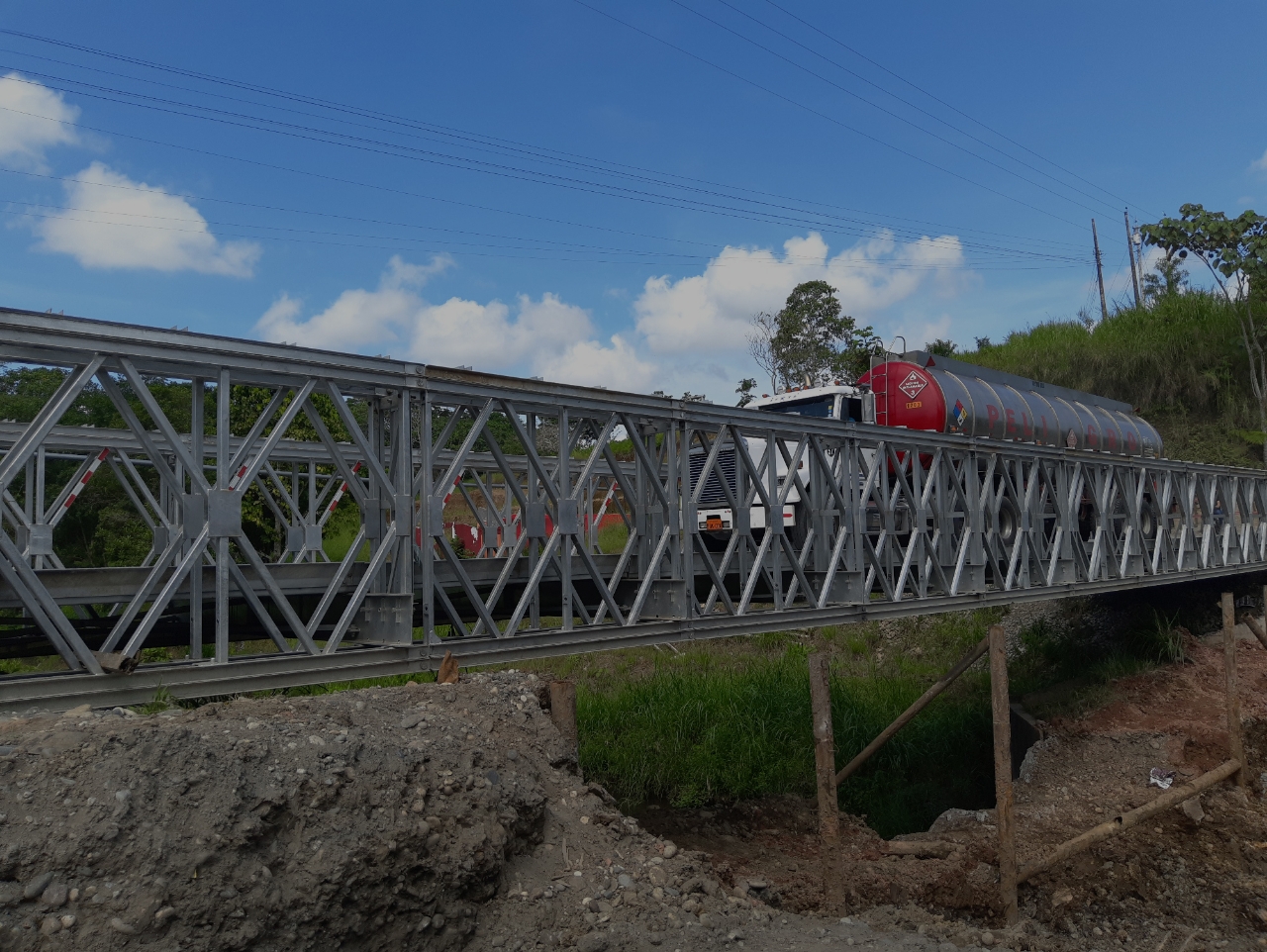
Getting this flour from the Ukrainian heartland to the Chinese coast is a logistical miracle. With traditional deep-water ports like Odesa often under fire or restricted, the trade has adapted. You see more grain moving via rail through Europe or via smaller Danube River ports.
These routes are more expensive and slower. Yet, China is still willing to pay the premium. That should tell you everything you need to know about how much they value this specific supply line. They’re essentially subsidized the risk because they believe the long-term access is worth the short-term headache.
Global Markets are Feeling the Pinch
When a buyer as big as China shifts its weight, the whole world feels the floor shake. Other traditional buyers of Ukrainian wheat—think North Africa and the Middle East—are suddenly finding themselves outbid by Chinese state-owned enterprises.
This creates a ripple effect. If China buys more from Ukraine, maybe Egypt has to buy more from France. If France has a bad harvest, prices spike everywhere. It’s all connected. China's "appetite" isn't just a local trend; it's a primary driver of global food inflation.
Domestic Pressures Inside China
China’s own soil isn't doing so hot. Between soil exhaustion, heavy metal contamination, and urban sprawl, their ability to increase domestic wheat production is hitting a ceiling. They’re also dealing with climate patterns that are making their northern wheat-growing regions increasingly unpredictable.
I’ve looked at the reports from the Chinese Academy of Agricultural Sciences. They aren't exactly shouting it from the rooftops, but the underlying concern is clear. They need imports because they literally cannot grow enough of the right kind of wheat to satisfy the changing Chinese diet.
The middle class in China is growing. They want more bread. They want more pastries. They want products that require the specific kind of wheat Ukraine excels at growing. It’s a demand curve that isn't going to flatten anytime soon.
The Geopolitical Balancing Act
You might wonder how this affects the "no limits" partnership between Xi and Putin. It’s a delicate dance. Russia wants to be China’s primary supplier of everything. But China isn't interested in being anyone's junior partner or dependent.
By continuing to buy from Ukraine, China is sending a subtle message to Moscow. That message is: "We have options." It’s a brilliant, if cold-blooded, way to ensure that Russia keeps their commodity prices low. If Russia tries to hike prices, China can just shift more of its procurement budget toward Kyiv.
It also keeps China in a unique position as a potential mediator. You can't easily dismiss a country that is your biggest customer, regardless of which side of the border you’re on.
Why This Matters for 2026
As we move deeper into 2026, the global food trade is becoming more fragmented. We're seeing the "weaponization" of grain. Countries are using export bans and tariffs as tools of war. In this environment, China’s move to secure Ukrainian flour is a masterclass in long-term planning.
They are essentially building a "food bridge" that spans across some of the most volatile regions on earth. It’s risky, sure. But for a country with 1.4 billion mouths to feed, the risk of not having enough flour is far greater than the risk of a shipping delay in the Black Sea.
What You Should Watch Next
If you're looking to understand where this is going, stop watching the political speeches and start watching the port data in places like Ningbo-Zhoushan and Guangzhou.
Look for signs of China investing in Ukrainian agricultural infrastructure. Despite the war, there are reports of Chinese firms looking at long-term leases on storage facilities and processing plants. That’s the real indicator. You don't build a silo unless you plan on filling it for the next twenty years.
Watch the price of winter wheat on the Chicago Board of Trade. When China enters the market for Ukrainian flour, it often happens in quiet bursts that catch Western traders off guard.
If you're in the food business or just interested in how the world really works, keep your eyes on the flour. It tells a much more honest story about the future of global power than any diplomat ever will. China is hungry, and Ukraine has what they need. That bond is proving to be stronger than the fires of war.
Track the shipping routes. If we see a sudden increase in rail freight carrying processed goods from Eastern Europe through Central Asia, you'll know the maritime routes are failing and China is doubling down on its "Belt and Road" overland alternatives. The trade won't stop; it will just find a new path.
Check the Chinese government's "No. 1 Central Document" released annually. It always prioritizes rural issues and food security. If the language around "diversified import sources" gets even stronger, expect the Ukrainian flour trade to hit record highs regardless of the frontline situation.
Stay informed by following direct commodity reports rather than just general news. The specifics of protein content and shipment volumes are where the truth is hidden. Don't wait for the mainstream media to catch up to the reality of the 2026 food landscape.