The TARDIS is totally empty, the keys are on the counter, and the house lights have been flipped off.
In a move that sent shockwaves through the sci-fi community, the BBC announced that it scrapped the planned 2026 Doctor Who Christmas special. If that wasn't enough of a gut punch for Whovians, returning showrunner Russell T Davies and production company Bad Wolf are packing their bags and walking away from the series entirely. You might also find this connected story insightful: How The Boys Weaponized Corporate Nihilism to Conquer Hollywood.
For the first time since the show revived in 2005, we face a calendar year without a single new minute of Doctor Who. The festive tradition that survived everything from killer Christmas trees to mechanical Santas is officially dead.
Honestly, it's the best thing that could have happened to the show. As extensively documented in detailed coverage by The Hollywood Reporter, the implications are worth noting.
Instead of panicking, the BBC is putting Doctor Who out to competitive tender. This means external production companies will bid for the right to build the next era from scratch. Rather than rushing out a half-baked holiday episode to paper over massive cracks behind the scenes, the broadcaster is hitting the giant red reset button.
It's a messy, chaotic end to a comeback era that promised the world but delivered an identity crisis.
The Illusion of the Christmas Script
When the news broke, rumor mills went into overdrive. Fans speculated about frantic script rewrites, abandoned storylines, and casting failures. Davies quickly took to Instagram to clear the air, dropping a truth bomb that reframes the entire situation.
There was no script. He never wrote a single page of the 2026 special.
Davies admitted that the promise of a festive episode was basically a safety net. It was cooked up to guarantee the show had a broadcast footprint while executives scrambled to figure out what came next. No actor was ever formally approached to take over the TARDIS, and no pre-production work had actually begun.
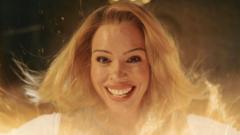
The cliffhanger at the end of the last season—where Ncuti Gatwa’s Fifteenth Doctor seemingly regenerated into former companion Billie Piper—now stands as a bizarre monument to an era that ran out of steam. Fans spent a year debating whether Piper was playing the 16th Doctor or a reality-bending plot twist. Now, we know it was a narrative dead end left for the next production team to clean up.
Why Nobody Wants to Hold the Sonic Screwdriver
Stepping into the Doctor's shoes used to be a golden ticket to television royalty. It launched Matt Smith into Hollywood and turned David Tennant into a national treasure. Now, the industry views the role of the Time Lord as something of a poisoned chalice.
The next showrunner faces an uphill battle that goes way beyond writing compelling sci-fi. The franchise is bruised. Finding an actor willing to endure the intense scrutiny, massive production schedules, and the inevitable online culture-war backlash has become a logistical nightmare.
The modern television landscape is incredibly unforgiving, and Doctor Who has been caught in the crosshairs of bad-faith trolling for years. Gatwa faced an absurd amount of loud, toxic criticism during his run, which he handled with immense grace. But even within the core, progressive fan base, support eroded. Viewers grew tired of erratic tone shifts and messy writing that failed to match the highs of the original 2005 revival.
When a television icon becomes that exhausting to participate in, top-tier talent starts looking elsewhere.
The End of the Disney Plus Experiment
You can't talk about the current collapse without talking about the money. The ambitious co-production deal with Disney+, which promised a massive cash injection and global marketing power, quietly expired after just two seasons.
The math didn't work. The show simply didn't pull the massive global audience numbers Disney needed to justify its investment. When the Mouse House pulled its funding, the BBC had to confront a stark reality. Producing high-concept sci-fi on a standard British license-fee budget is virtually impossible without cutting serious corners.
Trying to force a festive special into production without that international backing would have resulted in a cheap, rushed product. The BBC's official statement made it clear that rather than trying to "bridge the gap" with a compromised one-off episode, they chose to safeguard the long-term health of the brand.
What Competitive Tender Actually Means
By putting Doctor Who out to competitive tender, the BBC is repeating history to save its future. It sounds cold and corporate, but it's a proven survival mechanism. The broadcaster did the exact same thing with other decades-old legacy brands like Blue Peter to keep them viable in changing markets.
This process opens the floor to creative pitches from entirely new production houses. Everything is up for grabs. The theme tune, the design of the TARDIS, the tone of the storytelling, and the target audience can be completely reimagined.
It strips away the nostalgia blocking the franchise from evolving. Davies brought the show back to life twenty years ago by breaking the rules of the classic era. The problem with his second stint was an over-reliance on old tricks, familiar faces, and structural formats designed for a 2005 television schedule.
A clean break removes that baggage. It allows a fresh creative voice to look at the core concept—a lonely alien traveling through time and space in a blue box—and ask how that story should be told today.
Step Away From the Fandom Panic
If you're a fan feeling burned by this news, the best move right now is to step back and let the franchise breathe. Stop hunting for leaks about the 16th Doctor, because those conversations aren't happening yet.
The TARDIS isn't gone permanently; it's just parked in the garage for a major overhaul. Use this extended hiatus to revisit the eras that made you love the show in the first place, whether that's classic 1970s serials or the peak Tennant and Smith years. The BBC retains all intellectual property rights, and global distribution remains locked down through BBC Studios. The brand is too valuable to die. It's just sleeping.
Expect a long wait. We won't see a new live-action episode for a couple of years while the bidding process plays out and a new creative team establishes a pipeline. In the meantime, the animated series for CBeebies remains in production to keep the youngest demographic engaged.
Doctor Who has survived cancellations, decades of hiatus, recastings, and budget crises since 1963. It adapts. It regenerates. This isn't the end of the story; it's just the commercial break.


