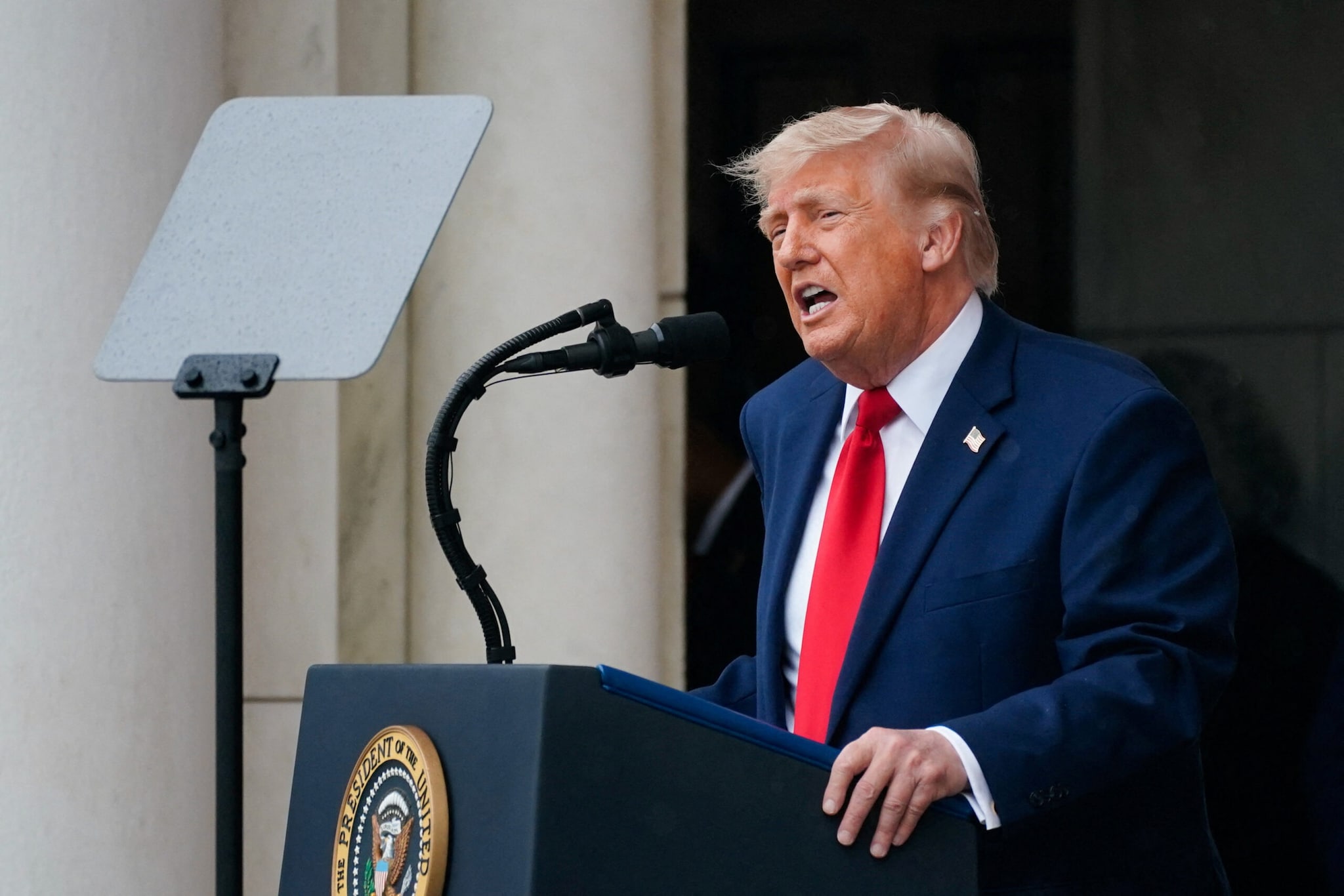
The mainstream media loves a predictable script, and they just found their latest favorite act. Donald Trump reportedly confirmed calling Israeli Prime Minister Benjamin Netanyahu "crazy" during a phone call. Instantly, the political punditry class lit up on cue. The consensus rolled out across the major networks like clockwork: this is a diplomatic disaster, a breakdown of a historic alliance, and proof of an erratic, unhinged foreign policy approach.
They missed the entire point.
The media treats international diplomacy like a high school etiquette class where hurt feelings dictate geopolitical boundaries. They view an insult as an error. In reality, insulting a close ally behind closed doors—and letting that insult leak—is not a mistake. It is a highly deliberate, transactional strategy designed to reset the power dynamic.
I spent years analyzing foreign policy chess matches and executive communication strategies. If there is one thing that costs political observers their credibility, it is taking theatrical anger at face value. Trump calling Netanyahu "crazy" isn't a sign of a fractured relationship. It is a calculated lever of leverage.
The Flawed Premise of Unconditional Alliances
The lazy consensus rests on a fundamentally flawed premise: that allies must always speak of each other in hushed, reverent tones to maintain stability. This is a fairy tale.
When a leader calls an ally "crazy," the traditional foreign policy establishment panics because they operate under the school of liberal internationalism. They believe in institutional decorum. They think statecraft is built on communiqués and polite bilateral summits.
It isn't. Statecraft is built on leverage, perception, and raw power.
By labeling Netanyahu "crazy," Trump achieves three distinct tactical goals simultaneously:
- Plausible Deniability on the Global Stage: It signals to regional adversaries that the United States is not a blind passenger in Israel's military and political vehicle. It creates a strategic buffer.
- The Unpredictability Premium: In negotiation theory, the "madman theory"—originally popularized by foreign policy realists during the Nixon era—argues that if your opponent (or your ally) thinks you are erratic enough to do anything, they tread carefully. When you call someone else crazy, you invert the dynamic. You force them to guess where your actual boundaries lie.
- Domestication of Foreign Policy: It serves a domestic political appetite that is increasingly weary of open-ended foreign entanglements, showing the home base that no foreign leader gets a blank check.
Deconstructing the Illusion of the Diplomatic Rift
Let's address the inevitable "People Also Ask" objection that surfaces every time a headline like this drops: Does this mean the US-Israel alliance is crumbling?
No. The structural foundations of US-Israel intelligence sharing, military aid, and geopolitical alignment are too deeply entrenched to be derailed by an adjective used in a phone call. To believe a vulgarity alters a multi-billion-dollar defense apparatus is to misunderstand how global power works.
Think about it in terms of corporate governance. Imagine a scenario where a tech conglomerate's CEO screams at their primary microchip supplier during a private board meeting, calling their expansion plans "insane." Does the tech company immediately cancel its supply chain contracts and destroy its own product line out of spite? Of course not. They renegotiate terms. They tighten the screws. The anger is an instrument to lower the counterparty's valuation.
Netanyahu is a political survivor who has outlasted multiple US administrations by playing hardball. He doesn't read these leaks and cry into his briefing papers. He understands the language of leverage. He knows that a public or leaked rebuke from Washington is the price of doing business when you are pushing the envelope of regional geopolitics.
The Downside of the Disruption Model
To be fair, this contrarian approach to diplomacy carries a massive structural risk. The downside of treating international relations like a New York real estate negotiation is the erosion of institutional predictability.
When you replace traditional diplomatic protocols with unpredictable rhetorical bombs, you gain short-term leverage but lose long-term stability. Allies start hedging their bets. They begin looking for alternative security partners or building independent capabilities because they realize the handshake of a superpower can change flavor based on a morning mood or a leaked phone call.
But don't confuse that systemic erosion with a personal feud. This isn't a soap opera. It's an arena.
Stop Asking the Wrong Questions
The media keeps asking: How will this affect the friendship between the two leaders?
That is a useless question. Politicians do not have friends; they have interests.
The real question we should be asking is: What concession is Washington trying to extract from Jerusalem by letting this leak hit the press right now?
Diplomatic leaks are rarely accidental. They are intentional valves used to release political pressure or signal a shift in tolerance levels. Calling Netanyahu "crazy" is a direct message to the Israeli security cabinet that the blank-check era has conditions, even if those conditions are delivered via rhetorical hand grenades rather than formal state department memos.
Stop reading the headlines as emotional temperature checks. Start reading them as opening bids in a high-stakes renegotiation. The theatre of anger is just business by other means.
Stop looking for an apology. Watch the policy instead.