The European Union's impending trade agreement with the Mercosur bloc is sending shockwaves through Eastern Europe, with the Polish poultry sector positioned directly in the blast radius. Under the current terms, the deal will grant South American agricultural giants unprecedented access to the European market through massive tariff-free quotas. For Poland, which has quietly built itself into the undisputed heavyweight champion of European poultry production over the last two decades, this is not just a regulatory hurdle. It is an existential threat that exposes the deep hypocrisy of Brussels’ agricultural policy.
While Western European policy planners pitch the Mercosur deal as a victory for industrial exports like cars and machinery, they are effectively using the continent's farmers as a bargaining chip. Poland currently exports more than half of its poultry production, dominating the EU market with a lean, highly efficient supply chain. By allowing an influx of cheap, less-regulated South American chicken, the EU is forcing its own producers to compete on an unlevel playing field that could permanently dismantle Europe's food sovereignty. If you liked this article, you might want to check out: this related article.
The Illusion of a Fair Market
Brussels likes to talk about standards. For years, European poultry farmers have been squeezed by increasingly stringent regulations governing animal welfare, carbon footprints, and chemical usage. Poland’s producers invested billions of euros to modernize their facilities, upgrading ventilation systems, reducing antibiotic use, and ensuring strict compliance with the European Green Deal.
Then came the Mercosur negotiations. For another angle on this development, see the recent update from The New York Times.
The core issue is a profound asymmetry in production costs. Brazilian and Argentine poultry giants operate under an entirely different regulatory framework. They are not bound by the same costly environmental mandates that European producers face. They pay a fraction of the price for feed, thanks to vast local supplies of genetically modified soy—a crop heavily restricted in European cultivation.
When these low-cost products enter the single market under the new quotas, European consumers will not see the hidden costs. They will only see a cheaper price tag on the supermarket shelf.
This creates an impossible double standard. The EU demands that its domestic farmers operate under gold-standard regulations, yet it willingly opens the door to imports produced under rules that would be illegal on European soil. It is a form of environmental outsourcing. Brussels can claim it is cleaning up European agriculture while simply importing its carbon and environmental footprint from South America.
Why Poland Bears the Brunt of the Damage
To understand why this deal hits Warsaw harder than Paris or Berlin, you have to look at the sheer scale of the Polish poultry engine.
European Poultry Production Share (Approximate)
┌───────────────────────────────────────┐
│ ████████████░░░░░░░░░░░░░░░░░░░░░░░░░ │ Poland (~20%)
│ ████████░░░░░░░░░░░░░░░░░░░░░░░░░░░░░ │ France
│ ██████░░░░░░░░░░░░░░░░░░░░░░░░░░░░░░░ │ Spain
│ ██████░░░░░░░░░░░░░░░░░░░░░░░░░░░░░░░ │ Germany
└───────────────────────────────────────┘
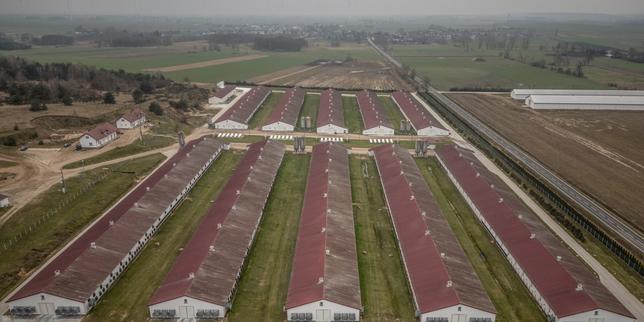
Poland accounts for roughly 20 percent of the total poultry meat produced in the European Union. It is the backbone of the domestic industry. The sector grew not because of government handouts, but because Polish integration after 2004 allowed local companies to scale up rapidly, offering high-quality meat at highly competitive prices.
Now, that specialization is a vulnerability.
Western European nations with smaller, more localized poultry industries can pivot to niche, premium marketing strategies. They can sell the concept of local, traditional farming to affluent domestic consumers who are willing to pay a premium. Poland cannot do that. Its industry is built on volume and industrial efficiency.
When a massive container ship from Brazil unloads thousands of tons of frozen chicken breasts at the port of Rotterdam, that meat does not stay in the Netherlands. It flows directly into the industrial food processing sector, the catering industry, and ready-made meal manufacturing across Germany, France, and Central Europe. These are the exact B2B markets that Polish exporters rely on.
The Hidden Threat of Salmonella and Antibiotics
It is not just about price; it is about biosecurity.
European veterinary inspectors operate under some of the strictest protocols in the world. If a single flock tests positive for certain strains of Salmonella in Poland, the entire house is culled, causing massive financial ruin for the farmer.
In contrast, South American supply chains have historically struggled with systemic enforcement issues. Past food safety scandals in Brazil revealed that major meatpackers bribed inspectors to approve tainted meat for export. While trade negotiators assure the public that auditing will be rigorous, the reality of inspecting thousands of tons of meat arriving at European ports daily is a logistical nightmare.
"The true cost of cheap food is often paid in veterinary crises. When you open a trade corridor with a region using different chemical and medical standards, you are gambling with the biosecurity of the entire continent."
Furthermore, the widespread use of growth-promoting antibiotics remains a common practice in non-EU countries. While the EU banned antibiotic growth promoters in 2006, monitoring imported meat for antibiotic residues is an imperfect science. The risk of accelerating antimicrobial resistance through imported food products is a slow-motion public health crisis that trade diplomats conveniently leave out of the briefing papers.
The Collateral Damage to Rural Economies
The economic fallout of this trade policy will not be confined to corporate balance sheets. It will tear through the social fabric of rural Poland.
The poultry industry is a massive employer in regions where industrial jobs are scarce. A single large-scale poultry farm supports an entire ecosystem of local businesses.
- Local grain farmers who depend on poultry producers to buy their rye, wheat, and corn.
- Logistics and transport firms that operate specialized fleets for feed and live bird transport.
- Hatcheries and processing plants that provide steady employment in small towns.
If the profit margins of Polish poultry processors are squeezed to zero by South American competition, the contraction will trigger a domino effect. Grain prices in Central Europe will drop as demand softens. Transport companies will face bankruptcies. Small-town processing plants will shutter, leaving hundreds of workers with few local employment alternatives.
The Geopolitical Irony of Food Dependency
There is a profound historical blindness in the EU’s current direction. Recent global disruptions demonstrated the extreme fragility of long-distance supply chains. Relying on maritime trade routes for foundational food supplies is a strategic risk.
Yet, the Mercosur agreement actively encourages this vulnerability.
By undermining domestic poultry production, Europe is choosing to depend on a trade route that spans the Atlantic Ocean. If geopolitical tensions flare, or if climate-induced disruptions impact South American agricultural output, Europe will find itself competing globally for food imports that it used to produce efficiently within its own borders.
The Inadequacy of Safeguard Clauses
Proponents of the treaty point to safeguard clauses designed to protect European farmers if imports surge too quickly. These mechanisms are largely performative.
By the time a bureaucratic body in Brussels gathers the data, analyzes the market disruption, debates the political ramifications, and finally decides to trigger a tariff safeguard, months or years will have passed. A family-owned poultry farm cannot survive two years of negative margins while waiting for a committee meeting in Brussels to conclude. By the time the safeguard activates, the production capacity will already be destroyed, the barns cleared out, and the assets liquidated.
European agriculture cannot be turned off and on like a light switch. Once a farmer goes out of business and the infrastructure is dismantled, it does not come back. The knowledge is lost, the capital vanishes, and the land is repurposed.
The Mercosur agreement represents a fundamental choice about what kind of economy Europe wants to build. It asks European farmers to adhere to strict climate goals while simultaneously forcing them to compete with global actors who do not play by the same rules. If signed in its current form, the deal will not modernize European agriculture. It will simply replace European farmers with South American conglomerates, leaving the continent richer in imported luxury goods but profoundly poorer in food security.