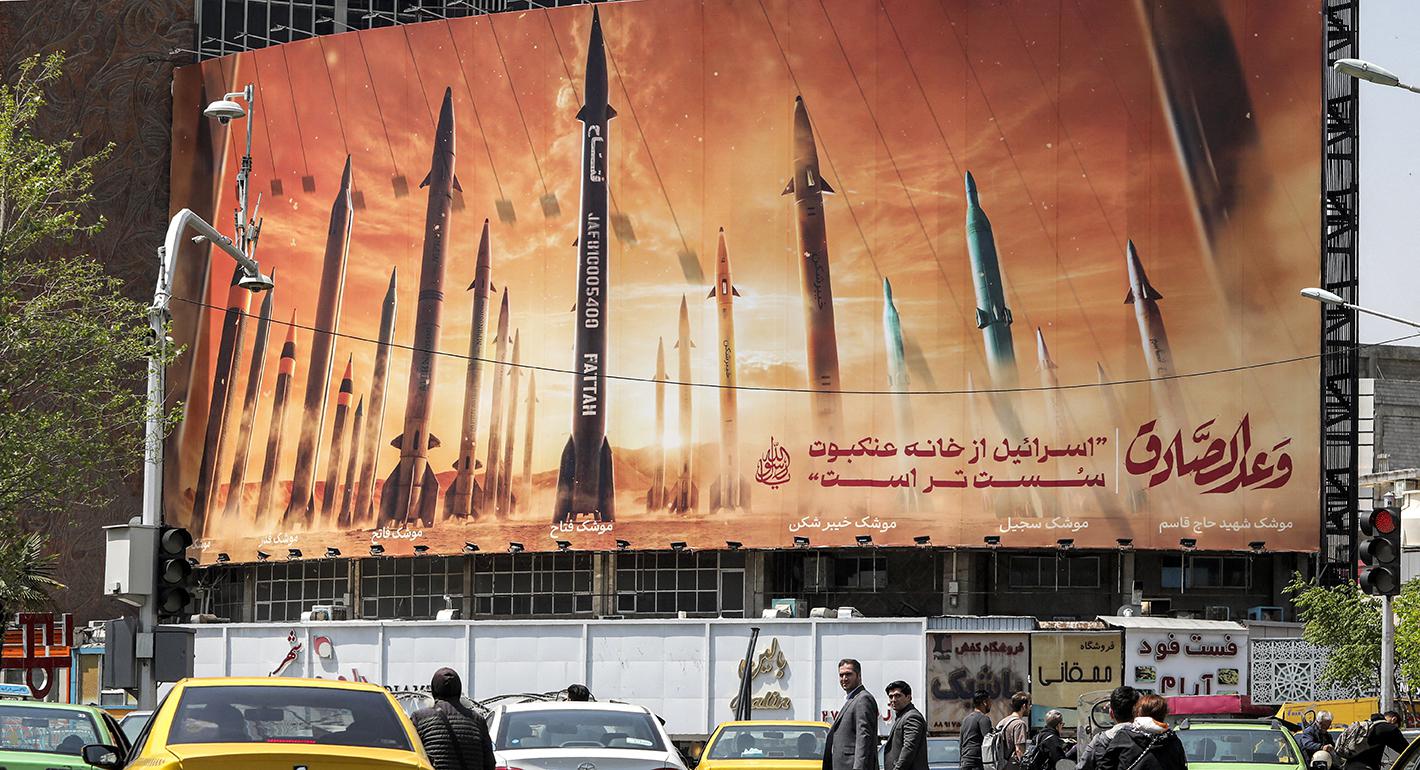
The ultimatum delivered this week from the White House to Tehran is not a diplomatic olive branch. It is a one-page memorandum of understanding that functions as a high-stakes eviction notice. While the world watches the "dual blockade" choke the Strait of Hormuz, President Donald Trump has made the terms of his "Epic Fury" campaign clear: Iran must sign a moratorium on uranium enrichment and reopen the world’s most vital energy artery, or face a level of aerial bombardment that would dwarf the February strikes.
This isn’t the nuanced statecraft of previous decades. It is the raw exercise of leverage by a superpower that has already demonstrated its willingness to decapitate a regime’s leadership. By killing Supreme Leader Ali Khamenei in the opening salvo on February 28, the United States and Israel fundamentally altered the physics of Middle Eastern diplomacy. The "why" behind the current stalemate is simple: Washington believes it has already won the war and is now simply haggling over the terms of the funeral.
The Dual Blockade Paradox
The global economy is currently being held hostage by a mirror-image siege. The U.S. Navy maintains a total blockade of Iranian ports, effectively severing the Islamic Republic’s lifeblood. In retaliation, Iran has mined and obstructed the Strait of Hormuz, sending global gas prices up 50% and leaving shipping lanes littered with the husks of disabled tankers.
The "Project Freedom" initiative—a short-lived U.S. attempt to escort commercial vessels through the chaos—was paused only days ago. This wasn't a retreat. It was a calculated psychological tactic to give the Iranian negotiators in Islamabad a window of silence to contemplate the alternative. The reality is that neither side can sustain this stasis for long. Iran’s economy is in a death spiral, but the American consumer is feeling the sting at the pump, a political liability that Trump is eager to neutralize before the summer surge.
A Regime in the Shadows
The Iranian delegation, currently reviewing the U.S. proposal via Pakistani mediators, is operating under a cloud of internal fracture. Since the death of Khamenei, the Islamic Revolutionary Guard Corps (IRGC) has tightened its grip on the state apparatus, effectively sidelining the traditional clerical and political wings. When Mohammad Bagher Zolghadr took over the reins following the killing of the previous successor, the message was unmistakable: the military is the state.
Tehran’s public rejection of the U.S. terms as "excessive and unrealistic" is standard theatrical posturing. Behind the scenes, the IRGC faces a choice between total institutional erasure or a humiliating climbdown. The U.S. demand for a permanent halt to enrichment is a non-starter for the hardliners, yet the alternative is the systematic destruction of Iran’s remaining civilian and energy infrastructure.
The Islamabad Friction
The negotiations in Pakistan have been described as "very good" by Trump, yet the Iranian Foreign Ministry calls the claims "false and baseless." This disconnect reveals the strategy of the American administration: use the media to create an aura of inevitability. By claiming a deal is "very possible," Trump is signaling to the Iranian people and the international markets that the only thing standing between peace and "oblivion" is the stubbornness of the generals in Tehran.
The Cost of Silence
If the memorandum remains unsigned by the end of the week, the consequences are mathematically certain. The Pentagon has already requested an additional $200 billion for the continuation of hostilities. This isn't just about regional dominance; it is about the forced reintegration of the Strait of Hormuz into the global market.
The Iranian 14-point plan, which calls for an immediate withdrawal of U.S. forces and an end to the war in Lebanon, is a relic of a pre-February reality. The U.S. has no intention of leaving. The naval presence in the Gulf of Oman is now a permanent fixture of the new security architecture. The "unconditional surrender" rhetoric of March has been softened into a "one-page memorandum," but the steel beneath the paper is just as cold.
The deal on the table is a surrender in all but name. Iran is being asked to trade its nuclear ambitions and its primary regional leverage for the right to stop being bombed. For a regime built on the foundation of "Death to America," that is a terminal pill to swallow. Yet, with U.S. warplanes hovering over the Gulf and the Iranian navy largely reduced to scrap metal, the time for counter-proposals has effectively run out.
Accept the memorandum and survive as a crippled state, or reject it and watch the lights go out across the plateau.