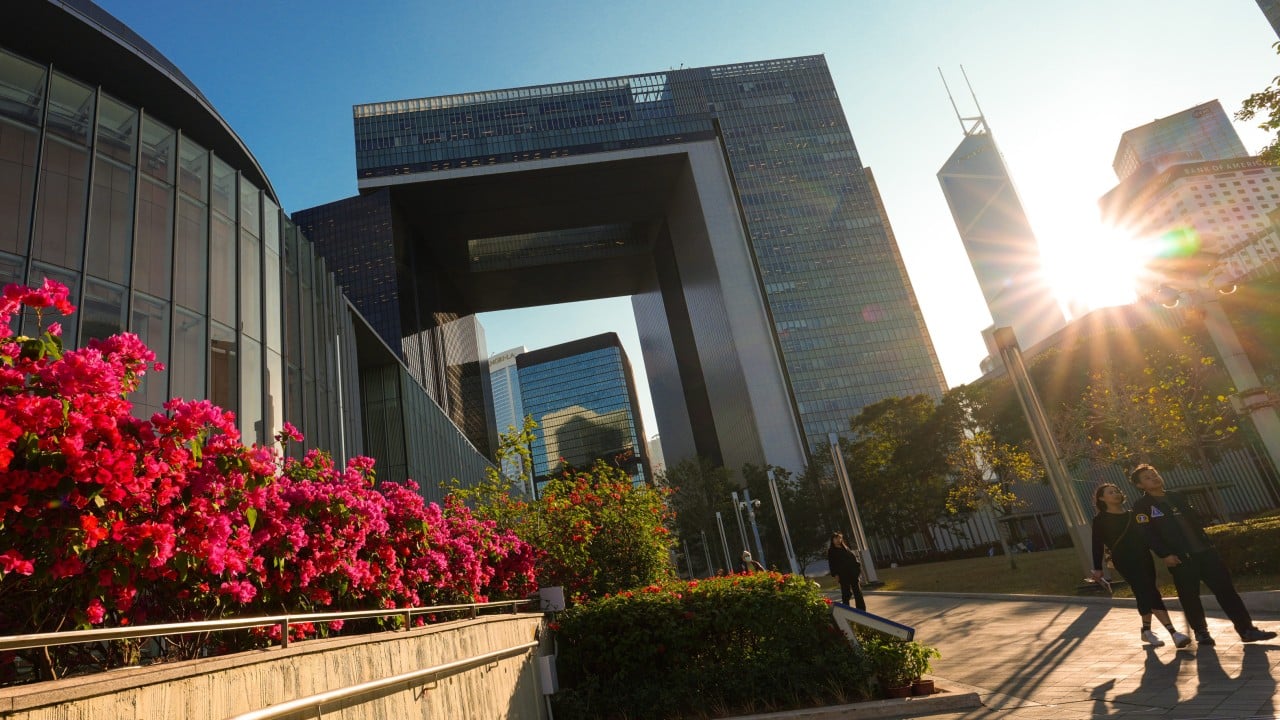
Hong Kong ministers just secured a 1.3 percent salary increase, coming hot on the heels of a 2 percent bump for the city’s civil servants. On paper, it looks like a routine bureaucratic adjustment. In reality, it is a calculated political maneuver that widens the gap between an insulated ruling class and a public grappling with economic stagnation.
The decision exposes a system where financial rewards are completely uncoupled from public satisfaction or economic performance.
The Mechanism of Self Reward
To understand how Hong Kong ministers landed this raise, one must look at the institutional machinery driving the decision. The pay mechanism is tied to the Consumer Price Index (A), a metric tracking inflation for the lower-to-middle income brackets. Because inflation ticked upward, the mechanism triggered an automatic recommendation for a salary bump.
But automatic does not mean mandatory.
The Executive Council holds the ultimate authority to accept, reject, or freeze these recommendations. By waving this through, the administration chose to prioritize bureaucratic precedent over public sentiment. Chief Executive John Lee and his team are already among the highest-paid political leaders on the planet. Lee’s salary eclipses that of the US President, despite governing a city of 7.4 million people rather than a global superpower. Adding even a minor percentage to these baseline figures results in absolute dollar increases that dwarf what the average local worker takes home in a month.
A Strained Private Sector Reality
The timing of this announcement could not be more tone-deaf. Walk through the commercial districts of Causeway Bay or Mong Kok, and the economic reality tells a vastly different story than government press releases. Retailers are closing up shop. Restaurants are fighting for survival as locals head across the border to Shenzhen for cheaper dining and entertainment options.
Private sector workers are facing layoffs, hiring freezes, and bonus cuts.
Hong Kong Salary Adjustments vs Economic Context
+-------------------------+------------------+
| Group                   | Percent Increase |
+-------------------------+------------------+
| Civil Servants          | 2.0%             |
| Government Ministers    | 1.3%             |
| Private Sector Average  | Stagnant/Variable|
+-------------------------+------------------+
When the government rewards itself during a prolonged retail and real estate slump, it sends a clear message. The political elite operates in a bubble insulated from the market forces punishing everyday citizens. The justification offered by official spokespeople is that competitive salaries are required to attract top-tier talent to public service. Yet, looking at the current roster of officials, critics argue that the high compensation has failed to produce innovative solutions to the city's structural economic issues.
The Civil Service Precedent
The ministerial raise cannot be viewed in isolation from the 2 percent increase granted to the broader civil service weeks prior. Traditionally, ministerial pay adjustments trail the civil service pay trend survey results. The civil service pay hike itself was highly contentious, drawing sharp criticism from major business chambers.
Corporate leaders openly warned that giving public workers a raise would pressure the private sector to match it, artificially inflating operational costs at a time when businesses are bleeding cash.
The government ignored those warnings. By pushing forward with the civil service raise, they set the stage for their own pay increase. It is a closed feedback loop. The administration argues that keeping civil servant morale high is essential for stability, but this stability comes at the expense of fiscal prudence. The city has been running persistent fiscal deficits, drawing down on financial reserves built up over decades of economic dominance. Spending more on bureaucratic overhead while revenues from land sales and stamp duties plummet is a highly risky fiscal strategy.
Global Isolation in a Localized System
From an international perspective, the compensation package for Hong Kong officials looks increasingly anomalous. In Western democracies, political pay is a lightning rod for public anger, often frozen or cut during times of economic distress to show solidarity with taxpayers. Hong Kong operates under a different playbook. Because the political leadership is not accountable to a traditional electorate, the reputational risk of taking a pay raise during a downturn is minimized.
The chief justification remains the preservation of an elite governance track. However, this logic falters when analyzed against global standards. Top political executives in Singapore, often cited as Hong Kong’s primary rival, have their bonuses tied directly to national economic performance targets and GDP growth. Hong Kong ministers face no such performance-linked metrics. They receive their baseline increases regardless of whether the stock market rallies or tanks, and regardless of whether the housing crisis improves or worsens.
The Long Term Fiscal Drag
The fiscal trajectory of Hong Kong is changing, and structural deficits are becoming the new normal. For years, booming property markets handed the government massive windfalls, allowing them to easily absorb the cost of an expensive bureaucracy. Those days are gone. High interest rates, geopolitical shifts, and changing demographics mean the old revenue models are broken.
Every decimal point added to public salaries locks in higher recurrent expenditure for future budgets.
Hong Kong Fiscal Vulnerability Factors
* Plunging revenues from government land auctions
* Depleted fiscal reserves from pandemic-era spending
* Structural aging of the population reducing the tax base
* Flight of middle-class professionals altering consumer dynamics
When the state chooses to increase its own compensation floor while facing structural deficits, it reduces the capital available for critical social infrastructure, healthcare, and targeted economic relief. The administration claims that a 1.3 percent increase is marginal and will not break the bank. This misses the broader point about fiscal discipline. It signals a lack of urgency at the very top of government regarding the city's financial headwinds.
The Sentiment Gap
Beyond the spreadsheets and fiscal projections lies a profound psychological disconnect. Public trust is the intangible currency of effective governance. When citizens see ministers securing guaranteed income growth while their own livelihoods are subject to the volatile whims of a restructuring economy, cynicism deepens.
The administration has repeatedly called for solidarity and collective effort to revitalize Hong Kong’s global brand. Yet, by accepting these raises, the leadership demonstrates that they do not share the economic precarity of the people they govern. True leadership requires sharing the burden of lean times. This latest policy decision indicates that the administration prefers the comfort of rigid bureaucratic formulas over the difficult, necessary work of leading by example.


