In the windowless basement of the Pentagon, where the air tastes faintly of recycled ozone and high-end floor wax, words are weaponized long before the steel leaves the hangar. There is a specific kind of silence in these halls. It is the silence of bureaucrats weighing the linguistic impact of a haunting. When reports surfaced that the Department of Defense was considering "Sledgehammer" as the new moniker for a potential escalation with Iran, they weren't just picking a label for a folder. They were choosing a brand for a tragedy.
Military naming conventions used to be accidental. In the world wars, operations sounded like something out of a Victorian novel—Overlord, Market Garden, Barbarossa. They were grand, sweeping, and vaguely romantic. But modern warfare has become a product. It needs a marketing department. It needs a name that can fit on a lower-third news crawl and sound simultaneously inevitable and righteous.
"Sledgehammer" is different. It lacks the surgical pretension of "Inherent Resolve" or the aspirational glow of "Iraqi Freedom." It is heavy. It is blunt. It suggests a tool that does not care about the fine details of the surface it strikes. It is the sound of a heavy weight falling in the dark.
The Architect in the Room
To understand why a name matters, you have to look at someone like "Sarah." She doesn't exist in the official press release, but she exists in every cubicle in Northern Virginia. She is a logistics officer. She spends her days staring at spreadsheets that represent thousands of human lives. When her mission is called "Operation Enduring Sentinel," she feels like a guardian. The name provides a psychological buffer, a thin layer of moral varnish that makes the twelve-hour shifts under fluorescent lights feel like a noble vigil.
Now, imagine Sarah's screen changes. The header on her classified briefing now reads: OPERATION SLEDGEHAMMER.
The shift is visceral. A sledgehammer doesn't guard. It breaks. It pulverizes. It is a tool of demolition. By shifting the nomenclature, the Pentagon isn't just updating a database; they are signaling a change in the American psyche. They are moving away from the "hearts and minds" era of counter-insurgency and leaning back into the cold, hard physics of total destruction.
The Physics of Escalation
The reports of this renaming come at a time when the Middle East feels like a room filled with gas, and everyone is fumbling for a lighter. For years, the conflict with Iran-backed militias has been a shadow play. A drone strike here. A rocket attack there. We called it "proportional response." It was a dance of calibrated violence designed to keep the status quo from collapsing into the abyss.
But "Sledgehammer" suggests the dance is over.
When a superpower reaches for a tool that blunt, it is because the scalpels have failed. The name implies a lack of finesse that is, in itself, a deterrent. It tells the adversary: We are no longer trying to outmaneuver you. We are simply going to crush the platform you are standing on.
There is a historical weight to this kind of language. Think back to the First Gulf War’s "Desert Storm." The name captured the terrifying, natural inevitability of the coalition’s power. It wasn't a political choice; it was a weather pattern. You don't negotiate with a storm. You hide. By considering "Sledgehammer," the current administration is trying to recapture that sense of elemental force.
The Cost of the Word
But words have a way of escaping the basements where they are born. They leak into the streets of Tehran and the barracks in Baghdad.
To a young man in a militia, "Sledgehammer" isn't a deterrent. It is a dare. It confirms every narrative his commanders have fed him about the "Great Satan"—that the Americans do not see people, only targets to be smashed. The name feeds the very fire it is meant to extinguish. It turns a geopolitical dispute into a cinematic struggle of resistance against a mindless, crushing weight.
We often forget that these names are also for us. They are designed to sit comfortably in the ears of a public that is weary of "forever wars." "Sledgehammer" sounds fast. It sounds decisive. It promises a beginning, a middle, and a very violent end. It masks the reality that once the hammer falls, someone has to live among the splinters.
The Invisible Stakes
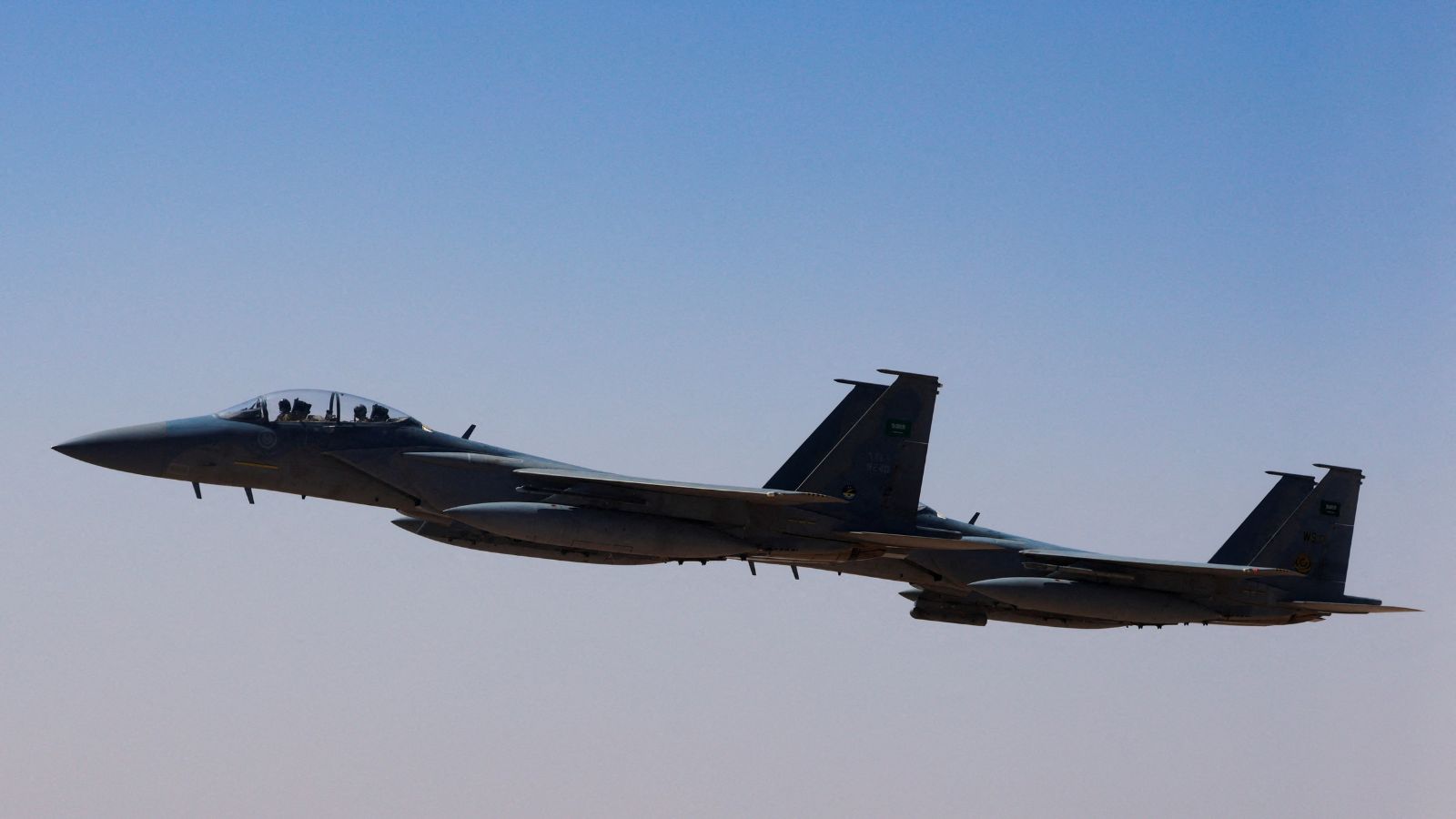
Behind the bravado of the name lies a terrifying technological reality. Modern warfare isn't just about hardware; it is about the algorithm. The "Sledgehammer" would likely be a symphony of autonomous systems, long-range precision fires, and cyber-attacks that blind an enemy before they even know the hammer has been swung.
In this environment, the human element becomes a ghost in the machine. A commander pushes a button in a trailer in Nevada, and half a world away, a building ceases to exist. When we give these operations names that evoke physical tools, we are trying to ground a digital, ethereal form of violence in something we can understand. We want to believe it is still a man with a hammer, rather than a line of code with a kill-streak.
The danger of a name like "Sledgehammer" is that it makes the act of war seem simpler than it is. It suggests that if we just hit the problem hard enough, it will go away. But history is a graveyard of "simple" military solutions. Every sledgehammer blow creates a thousand shards, and each one of those shards has a name, a family, and a reason to seek revenge.
The Weight of the Swing
There is a specific kind of exhaustion that comes with watching the same cycle repeat. We have seen the names change from "Desert Shield" to "Inherent Resolve" to "Prosperity Guardian." Each one is a fresh coat of paint on a house that has been burning for decades.
If the Pentagon follows through with this renaming, it will mark a definitive end to the era of nuance. It will be an admission that the language of diplomacy has been exhausted, replaced by the vocabulary of the construction site. It is a pivot toward the primitive.
Consider the person whose job it is to actually swing the hammer.
A nineteen-year-old from Ohio, sitting in the belly of an aircraft carrier, hears the mission name over the intercom. To him, "Sledgehammer" doesn't sound like a policy shift. It sounds like a promise of homecoming. It sounds like the kind of overwhelming force that ensures he won't have to stay in these waters for another year. He wants to believe in the hammer because the alternative—a slow, grinding, nameless stalemate—is unbearable.
But the hammer is a one-way tool. You can use it to destroy, but you cannot use it to build. You cannot use a sledgehammer to repair a broken trust or to stitch together a fractured region. You can only use it to clear the ground.
The reports will continue to swirl. Officials will deny or confirm the branding exercise depending on the political winds of the day. But the fact that the word is even being spoken in those ozone-scented hallways tells us everything we need to know about the current temperature of the world.
The hammer is being lifted. The only question remains is what will be left of the floor once it lands.
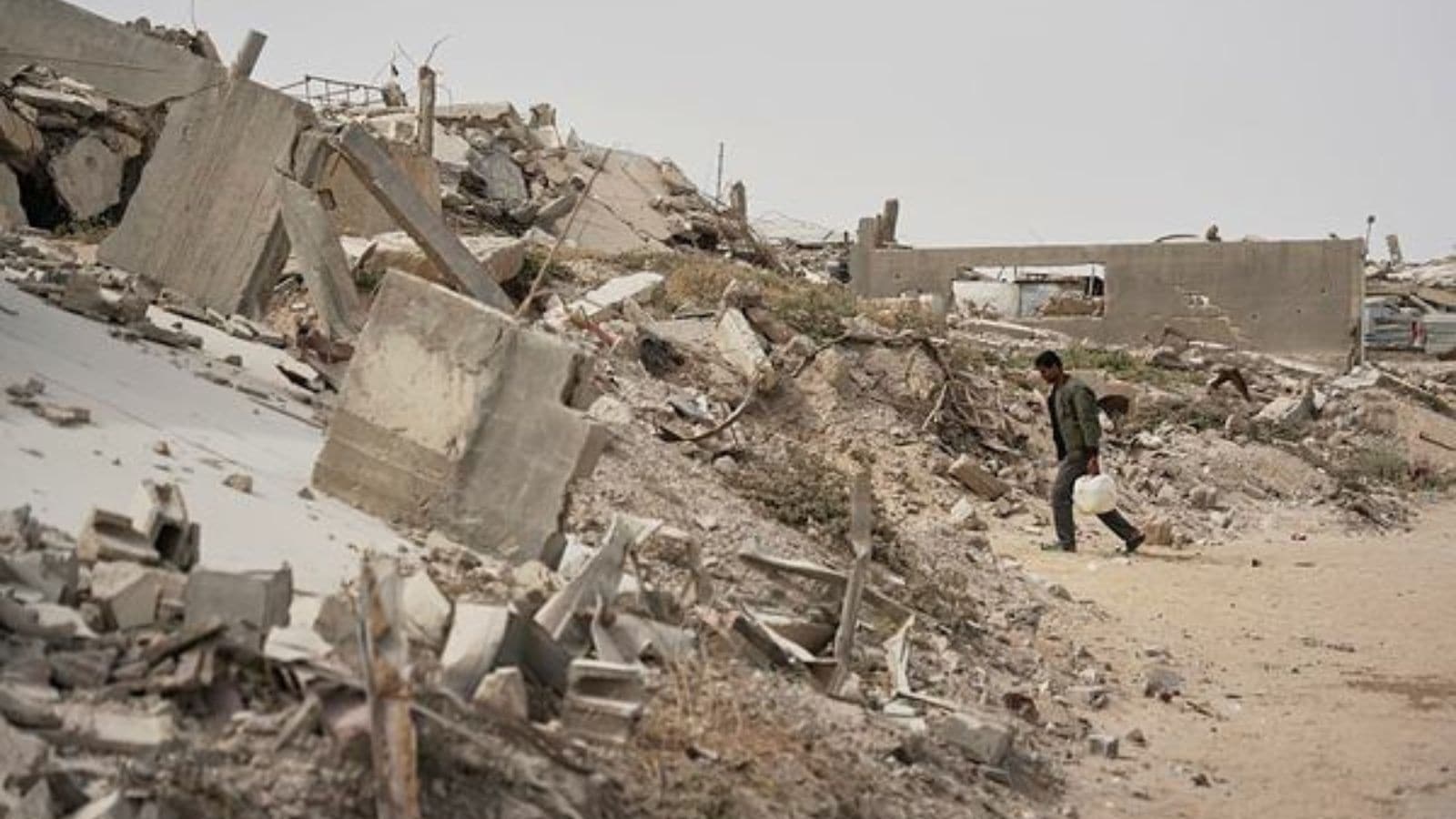
Steel on concrete. Dust in the air. The silence that follows is never as clean as the name suggests. It is the heavy, suffocating silence of a room where the only thing left to do is look at the wreckage and wonder if there was ever another way to speak.