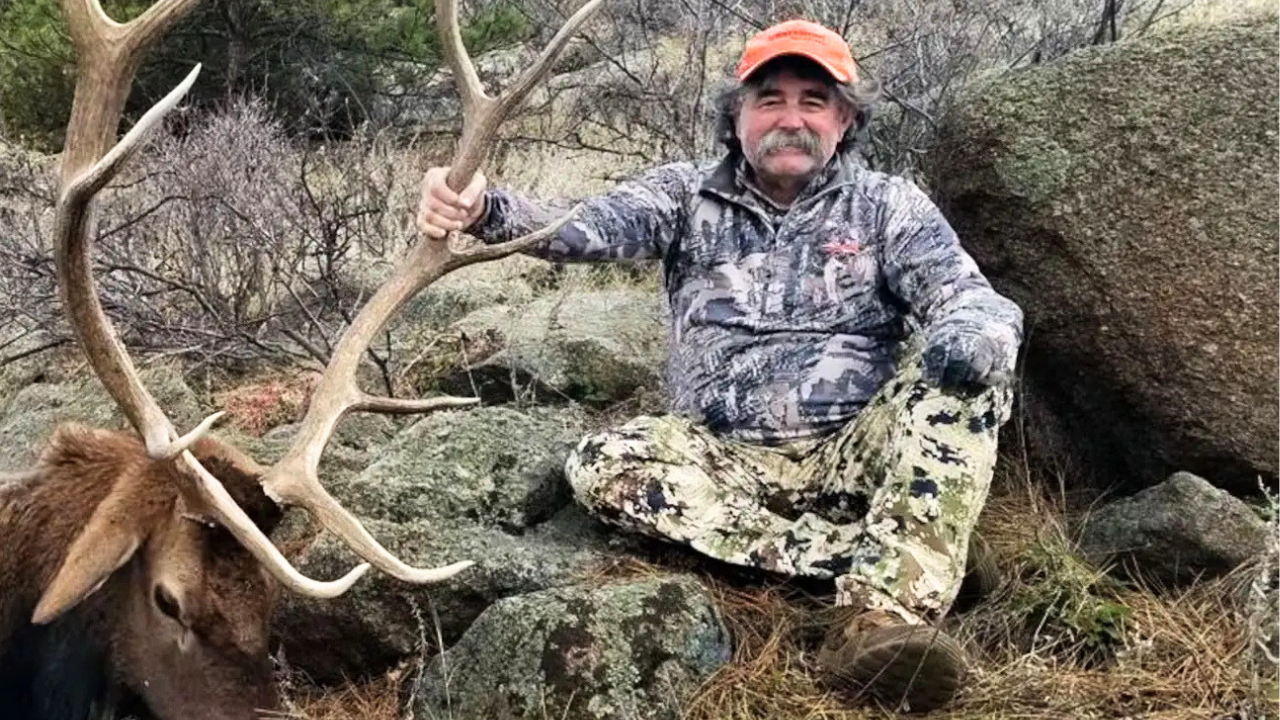
The headlines are predictable. They drip with a specific brand of karmic satisfaction. "Hunter becomes the hunted." "Elephant gets its revenge." When a 75-year-old millionaire trophy hunter is crushed to death by a breeding herd in the African bush, the internet erupts in a chorus of "he got what he deserved."
It is a comfortable narrative. It feels like justice. It is also dangerously ignorant. For a deeper dive into similar topics, we recommend: this related article.
The death of a high-net-worth hunter isn't a moral victory for nature. It is a mechanical failure in a cold, hard system of conservation that the West refuses to acknowledge because the optics are too grisly. You want to save the elephants? Then you have to stop cheering for the death of the people who, ironically, are the only ones paying to keep the habitat from becoming a soy plantation or a strip mall.
The Conservation Paradox No One Wants to Face
Mainstream media loves the "tragedy" of the fallen hunter because it feeds the Disney-fied view of the African wilderness. In this fantasy, nature is a balanced, peaceful garden that only requires "protection" from humans. To get more background on this development, comprehensive reporting can also be found on The New York Times.
In reality, the African wilderness is a high-stakes real estate market.
If an elephant doesn't have a price tag, it is a liability. For a local farmer in Zimbabwe or Namibia, an elephant is a five-ton tank that destroys a year’s worth of crops in twenty minutes. It is a predator that kills more people annually in many regions than lions or leopards ever will.
When we celebrate the death of a trophy hunter, we are celebrating the collapse of the only revenue stream that makes the existence of that elephant herd economically viable to the people living alongside them.
The Math of the Bullet
Let’s look at the numbers. A high-end elephant hunt can cost upwards of $50,000 to $100,000.
Where does that money go?
- Anti-poaching units: These are private armies funded by tag fees. Without them, the elephants wouldn't die from a single, regulated bullet at age 70; they’d die from wire snares or poisoned water at age 10.
- Community infrastructure: Schools, clinics, and wells in remote areas are built with "blood money."
- Habitat preservation: If the land doesn't generate revenue through hunting, it gets converted to cattle grazing. Cattle don't coexist with elephants. They replace them.
I have spent years watching NGOs blow millions on "awareness campaigns" while the actual boots on the ground—the ones who actually know the difference between a bull in musth and a matriarch protecting a calf—are funded by the very industry you find repulsive.
The Myth of the "Innocent" Elephant
The competitor's coverage paints the elephant as a sentient executioner delivering a sentence. This is anthropomorphism at its most pathetic.
Elephants are not "avenging" anything. They are highly intelligent, incredibly dangerous megafauna responding to perceived threats with overwhelming force. In the case of the 75-year-old hunter, he wasn't killed by a "vengeful" spirit. He was killed because he lost the tactical advantage in a high-risk environment.
We need to stop treating wildlife like Pixar characters. When we do, we strip them of their agency and their reality. An elephant is a force of nature. To respect it is to acknowledge its capacity for violence, not to project our human morality onto its survival instincts.
Why the 75-Year-Old Millionaire is the Ideal Target
The armchair activists cry about the "unfairness" of a man with a high-powered rifle vs. an animal. But they miss the biological reality of the hunt.
Trophy hunting, when done correctly, targets the "senescing" males—the old bulls that are past their prime breeding years. These individuals often become aggressive and can actually hinder the genetic health of the herd by preventing younger, more genetically diverse bulls from mating.
By removing an old bull, the hunter is essentially performing a high-cost culling service. The millionaire pays for the privilege of doing the dirty work that a state-funded ranger would otherwise have to do on the taxpayer's dime.
The death of the hunter in this scenario isn't "irony." It's the inherent risk of the contract. The hunter accepts the possibility of death; the elephant accepts the reality of being part of a managed ecosystem.
The Failure of "Photo Tourism"
"Why can't they just take pictures?"
This is the battle cry of the uninformed. I have seen the ledgers. I have seen the land. Photo tourism requires massive infrastructure: roads, lodges, electricity, high-speed internet, and a constant stream of hundreds of tourists.
Hunting requires a tent, a professional guide, and one guy willing to pay $80,000.
The footprint of a hunter is a fraction of a photo tourist's, yet the revenue is tenfold. Furthermore, photo tourists only go where it’s pretty and accessible. Hunters go where it’s harsh, buggy, and dangerous—the exact places where the most critical conservation work needs to happen.
If you ban the hunt, you don't save the elephant. You just ensure that the next time that elephant walks into a village, the locals will kill it with an AK-47 or a bucket of poison because it’s no longer worth more alive than dead.
The Ugly Truth About Your Moral Outrage
Your outrage is a luxury of the First World.
It is easy to tweet about the "evil hunter" from a climate-controlled apartment in London or New York. It is much harder to support the conservation of an animal that could kill your children on their walk to school.
When you celebrate the death of a hunter, you are essentially telling the local communities: "We value the lives of these animals more than your economic stability, but we aren't willing to pay for their upkeep ourselves."
The Thought Experiment: The No-Hunt Zone
Imagine a scenario where all trophy hunting is banned tomorrow.
Within five years:
- Poaching skyrockets: The private security teams lose their funding.
- Human-Wildlife Conflict explodes: Without the incentive of hunting revenue, villagers see elephants as pests. They will clear them out to protect their maize.
- Habitat Loss: The hunting concessions, which cover massive swaths of Africa (often larger than the national parks), are subdivided and sold for agriculture.
The hunter’s death is a tragedy for his family, but for the "industry of the wild," it’s just another Tuesday. The real tragedy is the delusional belief that we can save a species through hashtags and "likes" while dismantling the only financial engine that actually works.
Nature Doesn't Care About Your Feelings
The African bush is not a courtroom. It is a closed-loop system of energy transfer. The millionaire brought his money and his ego; the elephants brought their weight and their instinct.
The system worked exactly as intended.
The hunter's death proves that this isn't a "canned" experience. It’s real. It’s dangerous. And the fact that it’s dangerous is exactly why it’s valuable. If there were no risk, it wouldn't be a hunt; it would be a grocery trip.
Stop looking for a "moral" in the story. There isn't one. There is only the cold reality of land management. If you want the elephants to survive, you need the millionaires to keep showing up, even if they occasionally get trampled.
The price of a flourishing wilderness is a bit of blood—sometimes from the animal, sometimes from the man. If you can't stomach that, you aren't an environmentalist; you're just a spectator.
Quit cheering for the elephant and start looking at the balance sheet.