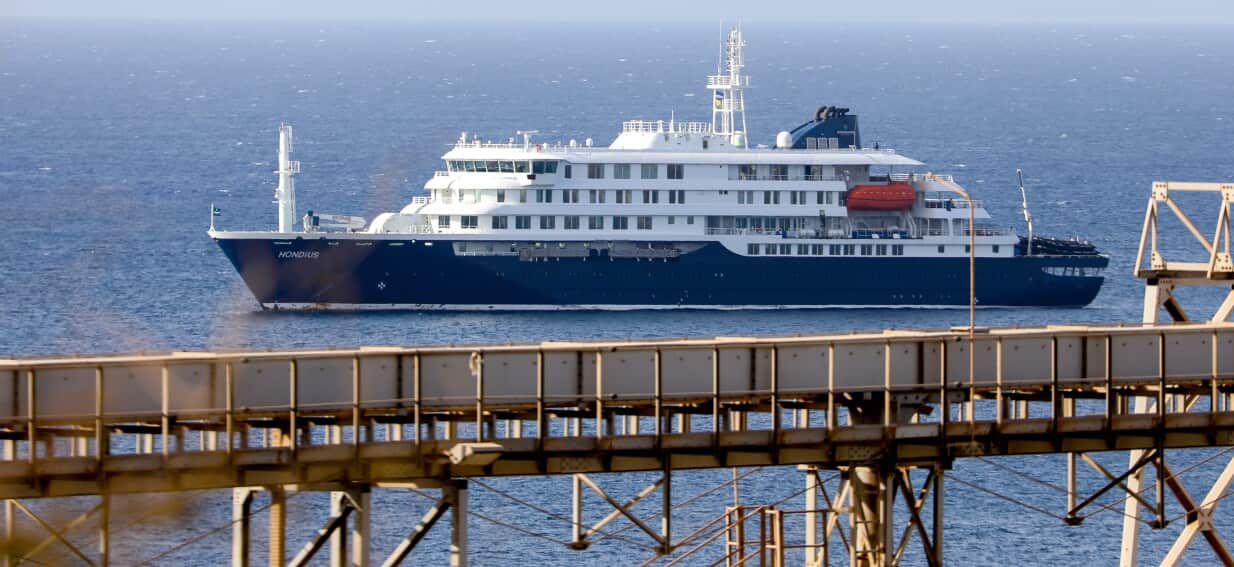
The maritime industry is currently facing a public health nightmare as a cruise vessel reportedly carrying a Hantavirus outbreak makes its way toward the Canary Islands. Within the next 72 to 96 hours, this ship will attempt to dock, bringing a rare and dangerous pathogen to a major European tourist hub. While the immediate concern is the health of those on board, the broader implications for maritime safety protocols and international health regulations are staggering. This is not just a localized medical emergency; it is a failure of the layers of defense designed to keep the deep sea from becoming a breeding ground for viral spread.
Hantaviruses are typically associated with rodents. Humans usually contract the virus through contact with infected urine, droppings, or saliva, often by breathing in contaminated dust. On land, these outbreaks are isolated and manageable. On a cruise ship—a closed environment with recirculated air and high-density living—the stakes change completely.
The Breach of the Steel Bubble
Modern cruise ships are marketed as floating fortresses of luxury. In reality, they are massive, complex biological ecosystems. When a pathogen like Hantavirus enters the mix, the very features meant to ensure comfort become liabilities.
The presence of Hantavirus suggests a significant breakdown in pest control and sanitation. Rodents do not simply appear on high-end vessels; they are introduced through cargo, poorly managed waste, or aging infrastructure in the hull. For a virus that relies on rodent vectors to reach a critical mass where it impacts passengers, the infestation must be more than a minor nuisance. It represents a systemic failure.
Most maritime health discussions focus on Norovirus or respiratory infections. These are expected. Hantavirus is an outlier. It carries a much higher mortality rate than the common "stomach flu" associated with cruising, with some strains causing Hantavirus Pulmonary Syndrome (HPS), a severe respiratory disease that can be fatal. The arrival of such a vessel in the Canary Islands puts the Spanish health authorities in a precarious position. Do they allow the ship to dock and risk a terrestrial spillover, or do they keep the vessel at sea, where medical resources are finite?
Logistics of a Floating Quarantine
The Canary Islands serve as a strategic crossroads for Atlantic shipping. The port infrastructure in places like Las Palmas or Santa Cruz de Tenerife is sophisticated, but it is not built to serve as a high-security bio-containment zone.
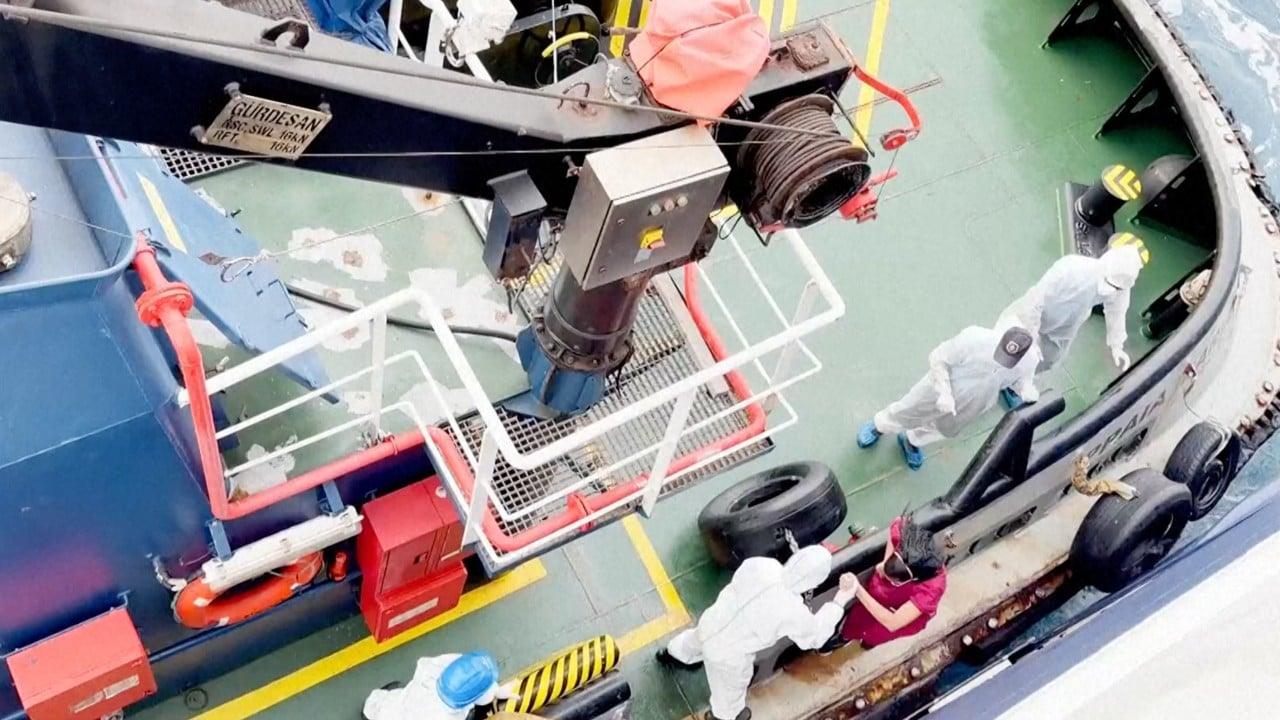
If the ship is permitted to dock, the process will be clinical and grueling. Passengers will likely be confined to their cabins until specialized medical teams can board. This is a logistical feat that requires coordination between the Spanish Ministry of Health, the regional government, and international maritime bodies. Every person on that ship represents a potential variable.
- Triage on the Pier: Authorities must establish a perimeter to ensure no unauthorized personnel come into contact with the vessel’s waste or air exhaust.
- Vector Elimination: The ship cannot simply be cleaned. It must be de-ratted. This involves professional exterminators working in tandem with hazardous material teams to identify every nest and entry point.
- Passenger Relocation: Healthy passengers cannot stay on a contaminated ship, but they cannot be released into the general population. The hunt for "quarantine hotels" begins, a move that often triggers local panic.
The cost of this operation is astronomical. Between port fees, medical staffing, and the inevitable lawsuits from passengers whose "vacation of a lifetime" turned into a life-threatening ordeal, the cruise line is looking at a financial black hole.
Why the Current System Failed
We have seen this play out before with different viruses, yet the industry remains reactive. The "why" behind this specific crisis points toward a relaxation of rigorous deep-cleaning standards that were briefly heightened during the early 2020s. As the world rushed back to normal travel volumes, the invisible labor of pest management and bilge maintenance seems to have slipped.
Furthermore, there is the issue of reporting. Cruise lines are notorious for downplaying health incidents until they are impossible to hide. A ship "three to four days" away from port has been dealing with this issue for weeks. The delay between the first symptoms and the public notification suggests a period of internal damage control that likely exacerbated the spread. When profit margins depend on keeping the ship moving, the temptation to "wait and see" is often stronger than the urge to sound the alarm.
The Pathogen Problem
Hantavirus is not a single entity but a family of viruses. The specific strain on this vessel determines the level of danger. New World Hantaviruses can lead to HPS, while Old World strains often cause Hemorrhagic Fever with Renal Syndrome (HFRS). Neither is a mild condition.
The medical teams in the Canary Islands are now scrambling to prepare intensive care units for a sudden influx of patients. Unlike land-based hospitals, shipboard infirmaries are designed for stabilization, not long-term critical care for viral hemorrhaging or acute lung failure. If the ship arrives with dozens of symptomatic patients, the local healthcare system will be pushed to its breaking point within hours.
Precedent and Accountability
International maritime law is surprisingly murky when it comes to infectious diseases that are not part of the standard "quarantinable" list like yellow fever or cholera. This gives cruise operators a degree of wiggle room that they often exploit. However, the sheer severity of Hantavirus removes any cloak of ambiguity.
The investigation that follows this arrival must look at the supply chain. Where did the ship last take on provisions? Which port’s sanitation standards were lax enough to allow rodents to board? These are the questions that the industry prefers to ignore, but they are the only ones that matter if we want to prevent the next ship from becoming a viral transport.
As the vessel nears the horizon of the Canaries, the focus is on the human toll. But for the analysts watching the data, the focus is on the failure of the hull as a barrier. The sea is supposed to be a moat, yet here it has become a bridge for an ancient and deadly pathogen.
The Canary Islands government must now decide if they will prioritize the humanitarian needs of the passengers or the safety of their own citizens. There is no middle ground. The arrival of the ship will be a test of international resolve and medical precision. If the containment fails on the pier, the economic impact on the islands’ tourism-dependent economy could be permanent.
Every hour the ship spends at sea is an hour the virus has to find a new host in the cramped quarters of the crew decks. The clock is not just ticking for the arrival; it is ticking for the window of containment.
Inspect the manifests. Track the rodent sightings. Hold the line at the gangway.