The Pageantry of the Weak
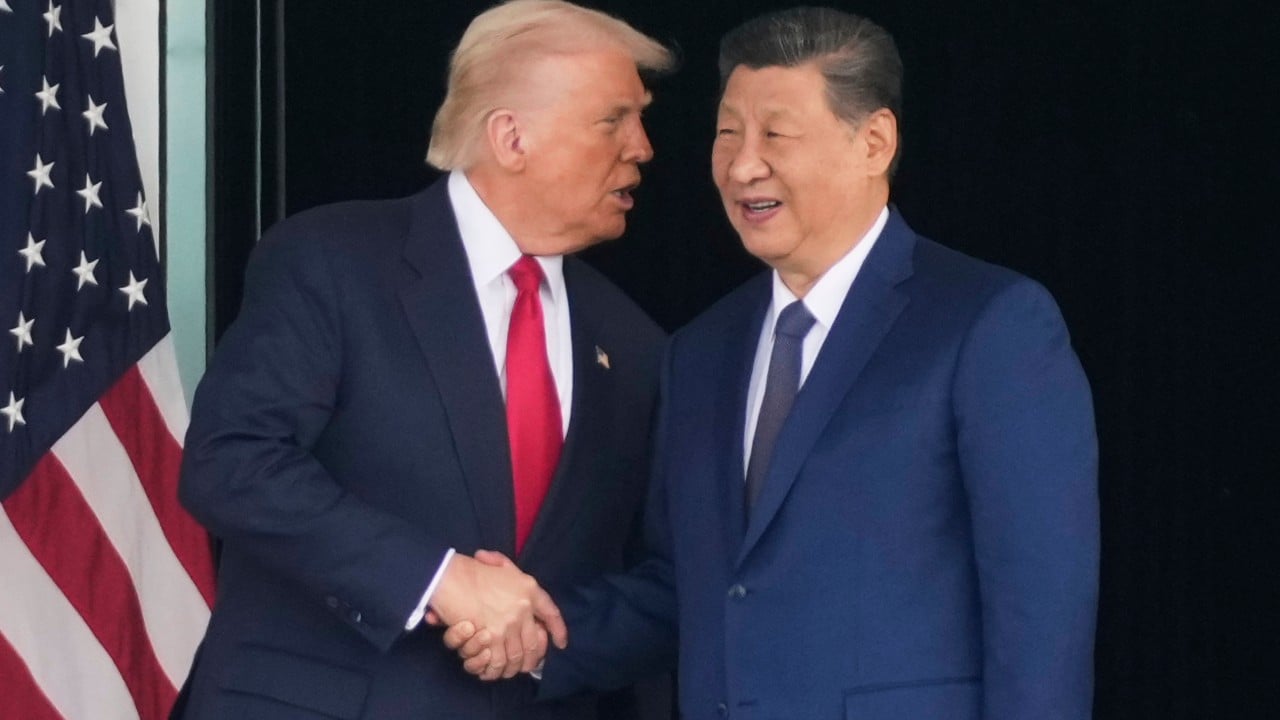
Donald Trump’s arrival in Beijing is being framed as a "historic summit." The media is obsessed with the optics—the Forbidden City dinner, the military honors, the choreographed handshakes with Xi Jinping. They call it "state-visit plus." I call it a sedative.
The consensus view is that these high-level meetings are the engine of geopolitics. Pundits suggest that face-to-face time builds "rapport," which supposedly leads to concessions on trade deficits and North Korean denuclearization. This is a fundamental misunderstanding of how the Chinese Communist Party (CCP) operates. While the American side treats this like a business deal that can be closed over a steak, the Chinese side treats it like a theatrical performance designed to neutralize an opponent through hospitality. Don't forget to check out our recent coverage on this related article.
If you’ve spent any time negotiating in East Asia, you know the "Guest-Host" trap. When you are the guest, you are indebted. The lavishness of the welcome is inversely proportional to the actual concessions being planned. The more gold leaf they show Trump, the less they intend to budge on forced technology transfers or the $347 billion trade gap.
The Myth of the "Trade War" Leverage
The prevailing narrative insists that the U.S. holds all the cards because of the sheer volume of Chinese exports to America. "Trump can just tax them into submission," the hawks say. To read more about the history of this, BBC News provides an informative breakdown.
This ignores the structural reality of the global supply chain. We aren't in a trade war; we are in a resource-dependency crisis that the U.S. has ignored for thirty years. China isn't just a factory; it is a gatekeeper.
- Rare Earth Elements: China controls roughly 85% of the world’s processing capacity.
- The Debt Hook: Holding over $1 trillion in U.S. Treasuries isn't a "nuclear option" for them, but it is a leash on our interest rate flexibility.
- The Manufacturing Moat: Moving a factory from Shenzhen to Vietnam or Ohio isn't a "pivot." It’s a decade-long logistical nightmare that most American CEOs don't have the stomach—or the quarterly mandate—to endure.
When Trump sits across from Xi, he isn't negotiating from a position of strength. He is negotiating from a position of historical negligence. Thinking a single trip can reverse three decades of industrial hollowing is more than optimistic; it’s delusional.
North Korea is a Distraction, Not a Deliverable
The press keeps asking: "Will Xi finally squeeze Kim Jong-un?"
This is the wrong question. It assumes Beijing’s interests align with Washington’s interest in "stability." To the CCP, a nuclear-armed, erratic North Korea is a feature, not a bug. It keeps the U.S. military distracted, forces South Korea and Japan to remain on edge, and provides a perpetual bargaining chip that Beijing can trade for concessions in the South China Sea.
Beijing will never "fix" the North Korea problem for the U.S. because the problem itself is too valuable to them. Any "joint statement" released after this summit regarding denuclearization will be a linguistic exercise in nothingness. It will use words like "peaceful resolution" and "mutual respect"—phrases that translate to "we will do nothing while you continue to spin your wheels."
Intellectual Property: The Invisible Heist
The real war isn't being fought over soy or steel. It’s being fought over the $600 billion in intellectual property (IP) stolen or forced out of American companies annually.
The "lazy consensus" says that trade deals will include "protections" for IP. I’ve seen companies blow millions on legal teams trying to enforce these protections in Chinese courts. It is a fool’s errand. In China, the law is a tool of the state, and the state’s goal is "Made in China 2025"—a plan to dominate high-tech sectors like robotics, aerospace, and AI.
They don't need to win a trade war if they can just download the blueprint for the next century of American innovation. While Trump talks about coal and cars—20th-century assets—Xi is looking at the 21st-century's data and algorithms.
The Sovereignty Paradox
Trump’s "America First" platform and Xi’s "Chinese Dream" are two mirrors facing each other. Both are built on the idea of absolute national sovereignty. But in a globalized economy, sovereignty is a luxury that neither can fully afford.
The irony of this summit is that both leaders are playing to their domestic bases. Trump wants to look like the tough negotiator returning with a suitcase full of jobs. Xi wants to look like the undisputed leader of the world’s next superpower, treating the American president as a tributary visitor.
If you want to understand the true power dynamic, stop looking at the leaders. Look at the balance of payments. Look at the ownership of the ports in Piraeus, Greece, or the infrastructure projects across Africa under the Belt and Road Initiative. China is building a world where the U.S. is an isolated island. Trump is visiting the mainland to argue over the price of the boat.
Why the "Historic Talks" Fail Before They Start
Every major news outlet will report on the "progress" made during this trip. They will cite "memorandums of understanding" (MOUs) worth billions.
Here is the industry secret about MOUs: they are non-binding PR stunts. They are the "participation trophies" of international trade. A Chinese state-owned enterprise (SOE) "agrees" to buy American aircraft, but the delivery schedule is 15 years long and subject to "market conditions." It’s vaporware designed to give the visiting president a headline to take home while China gives up zero strategic ground.
We are watching a masterclass in pacification. The more "historic" the talk, the more stagnant the reality.
Stop Asking if the Meeting was a Success
The question "Was the summit successful?" is a trap. If "success" is defined by avoiding a hot war or signing a few symbolic purchase orders, then every summit is a success.
The real question is: Does this trip do anything to halt the systemic dismantling of the American lead in global technology and finance?
The answer is a resounding no.
In fact, it accelerates the decline by providing a false sense of security. It convinces the American public that the "China Problem" is being handled by "the best people" in "historic rooms."
The truth is that while Trump is enjoying a state dinner, the CCP is continuing its 100-year marathon. They aren't thinking about the next election; they are thinking about the next epoch. They aren't negotiating; they are waiting for us to finish our own decline.
Every minute spent discussing "rapport" is a minute lost in the actual competition. The red carpet isn't an honor. It's a distraction.
Stop looking at the handshakes and start looking at the patents. The battle isn't happening in Beijing this week. It happened ten years ago in the R&D labs we closed and the supply chains we outsourced. This summit is just the closing ceremony of a race we already stopped running.