The claw marks were just deep enough to look violent. On the pristine leather seats of a 2010 Rolls-Royce Ghost, the jagged tears seemed to tell a story of a primal, terrifying encounter. It was the kind of damage that makes an insurance adjuster’s stomach churn. According to the claim filed in San Bernardino County, a bear had wandered out of the California wilderness, found its way into a residential driveway, and decided to treat a quarter-million-dollar vehicle like a scratching post.
On paper, the story was a tragedy of nature meeting luxury. In reality, it was a theater of the absurd.
Insurance fraud is rarely a crime of passion. It is a cold, calculated math problem usually solved by people who believe they are the smartest in the room. In this case, four residents of Los Angeles looked at their high-end car collection—including two Mercedes-AMG G63s and that ill-fated Rolls-Royce—and saw not transport, but untapped liquid assets. They didn't just want the cars; they wanted the payouts.
But to get the money, they needed a villain. They chose Ursus americanus. The North American black bear.
The Anatomy of the Fleece
The plan was remarkably consistent. Between January and the spring of 2024, "Operation Bear Claw" was set into motion. The claimants provided video footage to their insurance companies, showing a dark, furry figure entering the vehicles under the cover of night. The grainy, night-vision perspective showed the "animal" rummaging through the interior, leaving behind a trail of shredded upholstery and punctured dashboards.
Most people think of insurance companies as faceless vaults of gold, guarded by bureaucrats. Because of this, the moral weight of a false claim often feels light, like stealing a grain of sand from a beach. The perpetrators likely felt they were victims of high premiums, simply "balancing the scales."
They submitted the footage. They waited for the checks. And for a moment, the system worked exactly as they hoped.
However, the human eye is a specialized tool for pattern recognition. When an investigator for the California Department of Insurance looked at the footage of the bear entering the Rolls-Royce, something felt off. The movements weren't quite right. Real bears possess a specific, heavy-set gait; their weight shifts with a rolling, muscular momentum. This bear moved with a strange, bipedal jerkiness. It struggled with the door handle in a way that suggested opposable thumbs rather than paws.
When Biology Debunks the Grift
Skepticism is the primary currency of a fraud investigator. To confirm their suspicions, the Department of Insurance didn't just rely on their own hunches. They took the "bear" footage to a biologist at the California Department of Fish and Wildlife.
The biologist’s assessment was blunt. "It was clearly a human in a bear suit," they remarked.
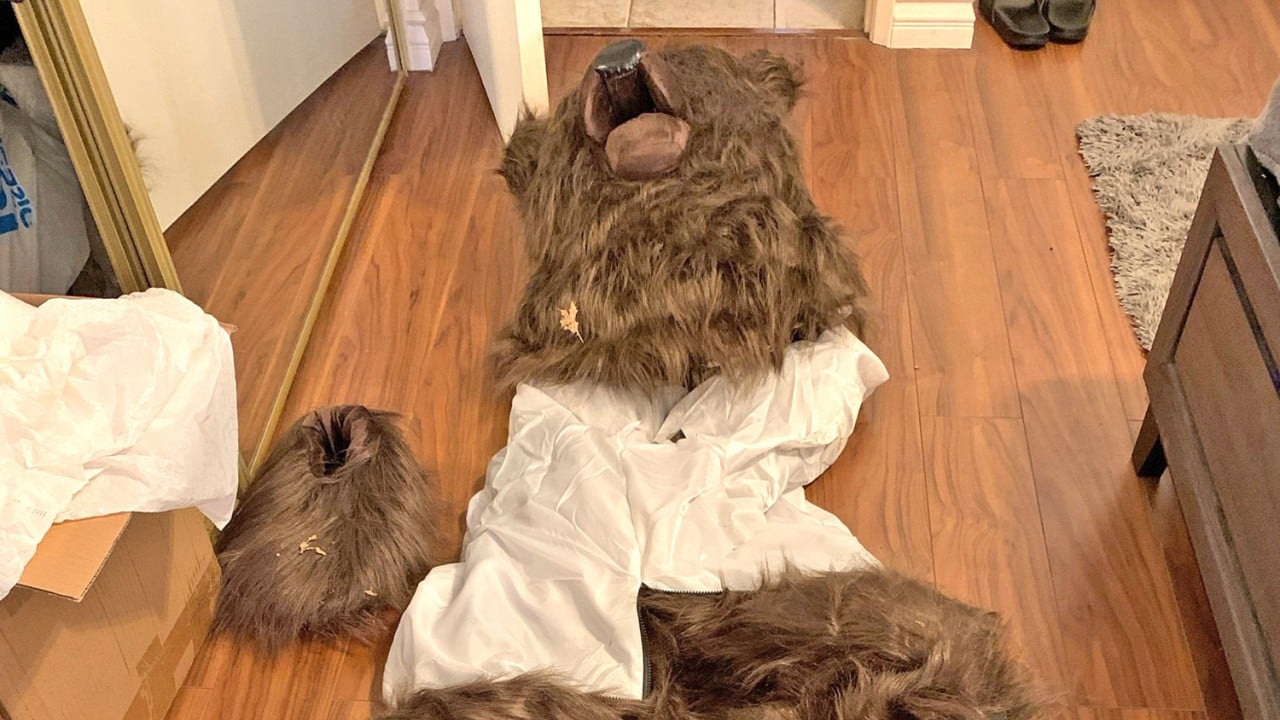
Nature has rules. A black bear’s claws are designed for digging, climbing, and foraging. They leave specific signatures on soft materials. When investigators executed a search warrant at the suspects' home, they didn't find a grizzly in the backyard. They found a costume. Specifically, a brown, fuzzy suit complete with a headpiece shaped like a bear and hand-held kitchen tools designed to mimic claw marks.
Imagine the scene: grown adults in a suburban Los Angeles garage, taking turns wearing a polyester suit and scraping at luxury leather with meat shredders. It is a visual that oscillates between a slapstick comedy and a profound cautionary tale about desperation.
The four individuals—Ruben Tamrazian, Ararat Chirkinian, Vahe Muradkhanyan, and Alfiya Zuckerman—now face charges of insurance fraud and conspiracy. The total amount they attempted to swindle from companies like Geico and others totaled $141,839.
The Invisible Cost of the Furry Phantom
While the "Bear Suit Scam" makes for a punchy headline, the ripple effect of such crimes is far from funny. Every time a fraudulent claim is paid out, the cost is distributed across every honest policyholder in the state. We pay for the bear suit. We pay for the shredded Rolls-Royce seats.
The insurance industry estimates that fraud costs the average American family hundreds of dollars every year in increased premiums. It is a hidden tax on integrity.
The suspects were likely blinded by the immediate allure of the "easy" six-figure payout. They missed the forest for the trees—or in this case, the biologist for the bear. Modern fraud detection isn't just about spotting a fake mustache anymore. It involves sophisticated AI that flags anomalies in claim histories and forensic analysis that can distinguish between a predator's tooth and a serrated knife.
The perpetrators didn't just lose their freedom; they became a punchline in the annals of criminal history. They tried to use the wild unpredictability of nature to mask a very human greed. But nature is consistent. Humans are the ones who try to bend the rules.
The Weight of the Costume
There is a specific kind of silence that follows the exposure of a lie. It’s the sound of a plan collapsing under its own weight. These individuals weren't career masterminds; they were people who convinced themselves that a cheap costume could bypass a multi-billion dollar industry's defenses.
They stood in the dark, sweating inside a heavy pile of fake fur, hoping the camera didn't catch the gleam of a zipper. They bet their lives on the idea that no one would look too closely at a bear in a Mercedes.
They were wrong.
Now, the grainy footage of a person in a suit awkwardly climbing into a car serves as a permanent digital monument to the limits of human cleverness. The "bear" has been unmasked, and all that remains is the cold reality of a courtroom.
Somewhere in a California evidence locker, there is a brown fuzzy suit and a pair of metal claws. They are no longer tools for a heist. They are just props from a very expensive, very poorly acted play that finally reached its final curtain.