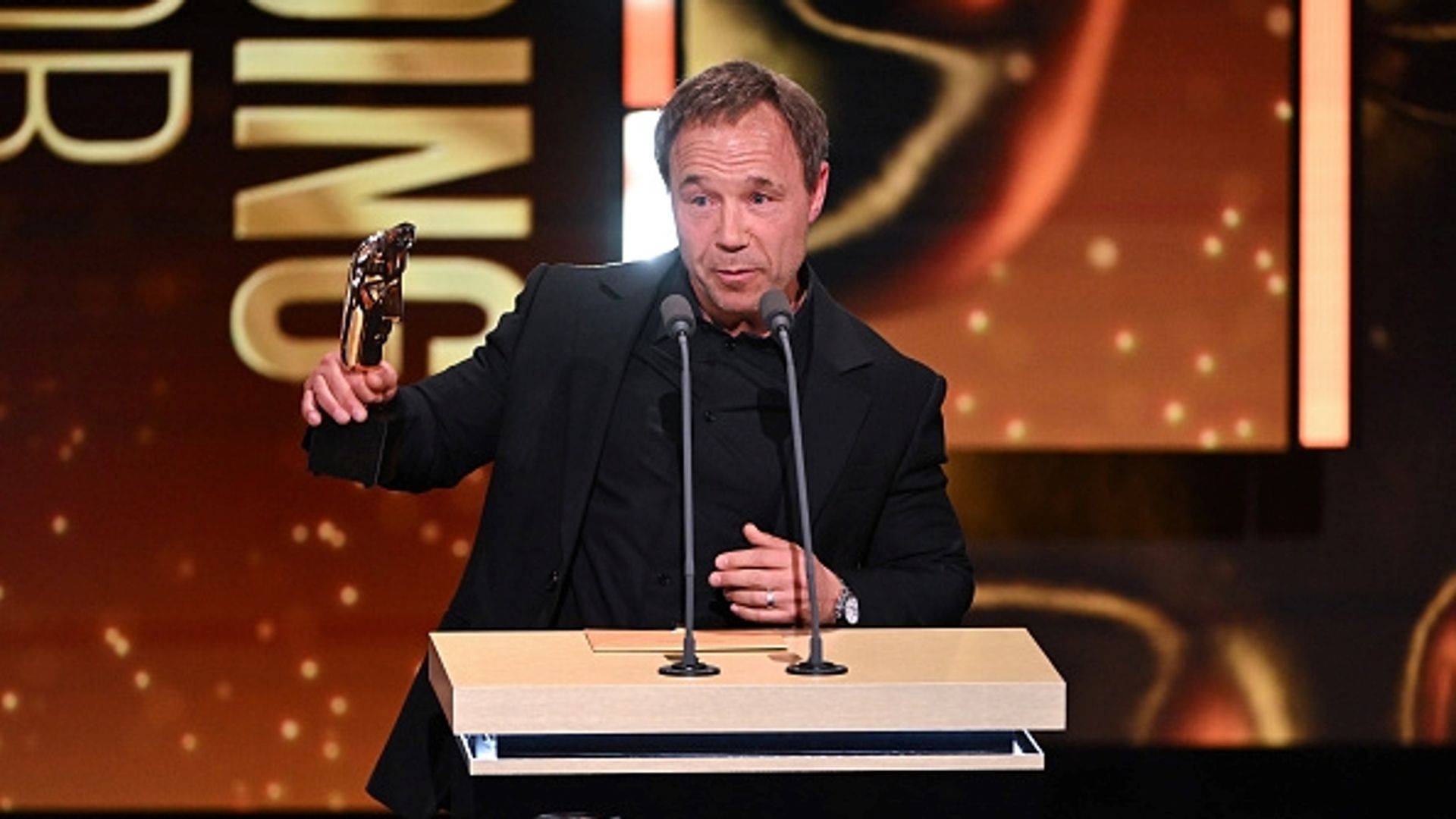
The 2026 BAFTA TV Awards didn’t celebrate excellence; they curated a funeral for risk. While the mainstream press spent the morning copy-pasting the "Full List of Winners and Nominees" with the breathless enthusiasm of a corporate HR department, they missed the stench of decay. The industry is currently congratulating itself on a "landmark year for British storytelling" while the actual data shows audiences are migrating to creator-led platforms and international streamers at a rate that should be causing cardiac arrest in the boardroom.
The 2026 winners list is a masterclass in safe bets and legacy maintenance. We are witnessing the slow-motion collapse of British prestige TV, disguised as a glamorous night out at the Royal Festival Hall.
The Genre Fiction Ghetto
The biggest lie of the night was the Drama Series category. The winner—another high-budget period piece about the inner lives of the landed gentry—didn't win because it was the best television produced this year. It won because it was the most recognizable.
BAFTA has developed a paralyzing fear of "The New." I have spent fifteen years in development rooms, and the pattern is always the same: commissioners talk about "disruptive narratives" but greenlight whatever looks most like the hit from five years ago. This year, we saw genuinely innovative sci-fi and speculative fiction pushed to the technical categories or ignored entirely.
When you reward the same aesthetic for a decade, you don’t "foster" (to use a word I despise) talent; you create a taxidermy industry. We are effectively telling young writers that if they want to win a mask, they should stop dreaming about the future and start obsessing over the 19th century.
The Myth of the "Small Screen" Performance
The Lead Actor and Actress categories have become a retirement home for film stars who need to bolster their "serious" credentials. The consensus is that a big-screen name moving to a six-part limited series is an "elevation" of the medium.
It is actually an invasion.
The nuance of television acting—the slow-burn character development that happens over ten or twenty hours of screen time—is being flattened by actors who treat a series like a long movie. We saw several nominees this year who gave "big" performances designed for a cinema screen, failing to understand the intimacy of the domestic setting. Yet, because their names sell international distribution rights, the academy falls over itself to hand them trophies.
True TV acting is about the silence between episodes. It’s about being a guest in someone’s living room for two months. By prioritizing the "Cinema-Lite" style, BAFTA is devaluing the very craft that makes television unique.
The Comedy Category is a Lie
If you looked at the 2026 Comedy nominees, you’d think Britain was a nation of gentle, melancholic observers of the human condition. Where is the bite? Where is the offense?
British comedy used to be a blood sport. Now, it’s a therapy session. We have entered the era of "Traumedy," where a show is considered a comedic masterpiece as long as it makes you cry and features one dry observation every twelve minutes. The "People Also Ask" sections of search engines are filled with viewers asking, "Is [Winner Name] actually a comedy?"
The answer is usually no. It’s a drama that was too short for the Drama category. By refusing to reward shows that actually aim for the jugular—shows that risk being "problematic" to be funny—BAFTA has sterilized the genre. We are rewarding likability over laugh-out-loud brilliance.
Technical Awards: The Real Engine Room Ignored
While the red carpet focuses on who wore what, the most significant shift in 2026 was in the Craft Awards, which the main broadcast treats as an after-thought. We are seeing a total revolution in Virtual Production (VP) and real-time rendering.
The industry insiders know that the shows winning for "Best Cinematography" are increasingly reliant on LED volumes and game-engine backgrounds. Yet, there is a snobbery about "real" locations versus "digital" ones.
I’ve seen productions save $5 million by using a volume instead of flying a crew to Iceland, and the final product looked better. But the BAFTA voting block—largely comprised of traditionalists—still views these tools as "cheating." This isn't just an aesthetic debate; it's an economic one. If Britain doesn't embrace the tech that the 2026 nominees used but didn't credit, we will lose our status as a global production hub to jurisdictions that don't have a romantic attachment to 35mm film and damp fields.
The Diversity Metric Trap
The 2026 nominations were touted as the "most diverse in history." On the surface, the numbers look great. But look closer at the roles being played.
We are still seeing a rigid structure where minority talent is funneled into stories about struggle, trauma, or historical injustice. The "contrarian truth" here is that true progress isn't a diverse list of nominees; it’s a list of nominees where the ethnicity or background of the character is completely irrelevant to the plot.
We are still awarding "The Experience of Being [X]" rather than "A Great Story Starring [X]." This creates a secondary market for talent where they are valued for their identity first and their craft second. It’t a gilded cage. I’ve spoken to dozens of actors who are exhausted by the fact that they only get the "prestige" call when the script requires a specific type of suffering.
The Streaming vs. Linear War is Over (And Both Lost)
The 2026 ceremony tried to bridge the gap between the traditional BBC/ITV stalwarts and the Netflix/Apple titans. The narrative was one of "healthy competition."
The reality? They are all fighting for a shrinking pie.
The average viewer under 25 watched more minutes of serialized content on TikTok and YouTube last year than they did on all the BAFTA-nominated shows combined. The academy is ignoring the fact that the very definition of "TV" has changed. By excluding creator-led episodic content, BAFTA is ensuring its own irrelevance.
You cannot claim to represent "Television" while ignoring the platforms where the majority of the population actually watches video. It’s like a horse-breeding association trying to dictate the future of transportation in 1915.
The Budget Fallacy
There is an unspoken rule at the BAFTAs: the more it cost, the better it is.
The 2026 winners list is almost a direct reflection of the production budgets. This "Dollar-to-Statue" ratio is killing the scrappy, experimental television that used to define the UK. When you need a £2 million-per-episode budget just to get into the conversation, you eliminate the voices that don't have the backing of a multinational conglomerate.
The most "actionable" advice for the industry? Stop looking at the production value and start looking at the script density.
We are currently rewarding "Vibe over Verb." A show can have 4K cinematography, a haunting cello soundtrack, and a brooding lead, but if the script is hollow, it shouldn't be in the room. This year, the room was full of hollow shows with very expensive wallpaper.
The Consensus is a Coffin
The "lazy consensus" of the 2026 coverage is that British TV is in a "Golden Age."
It’s not a Golden Age. It’s a Gilded Age.
Everything looks shiny on the outside, but underneath, the creative risk-taking is non-existent. The academy has become a closed loop of mutual admiration. To save the industry, we need to stop celebrating the "Full List of Winners" and start asking why so many of those winners feel like they were generated by an algorithm designed to offend no one.
If you want to see where the real future of storytelling is, look at the shows that were "too niche" or "too weird" for the 2026 nominations. Those are the ones that will be remembered when the current crop of winners has been relegated to the "Because You Watched" tray of a defunct streaming service.
The BAFTAs didn't tell us what was good. They told us what was safe.
And safe is just another word for dead.