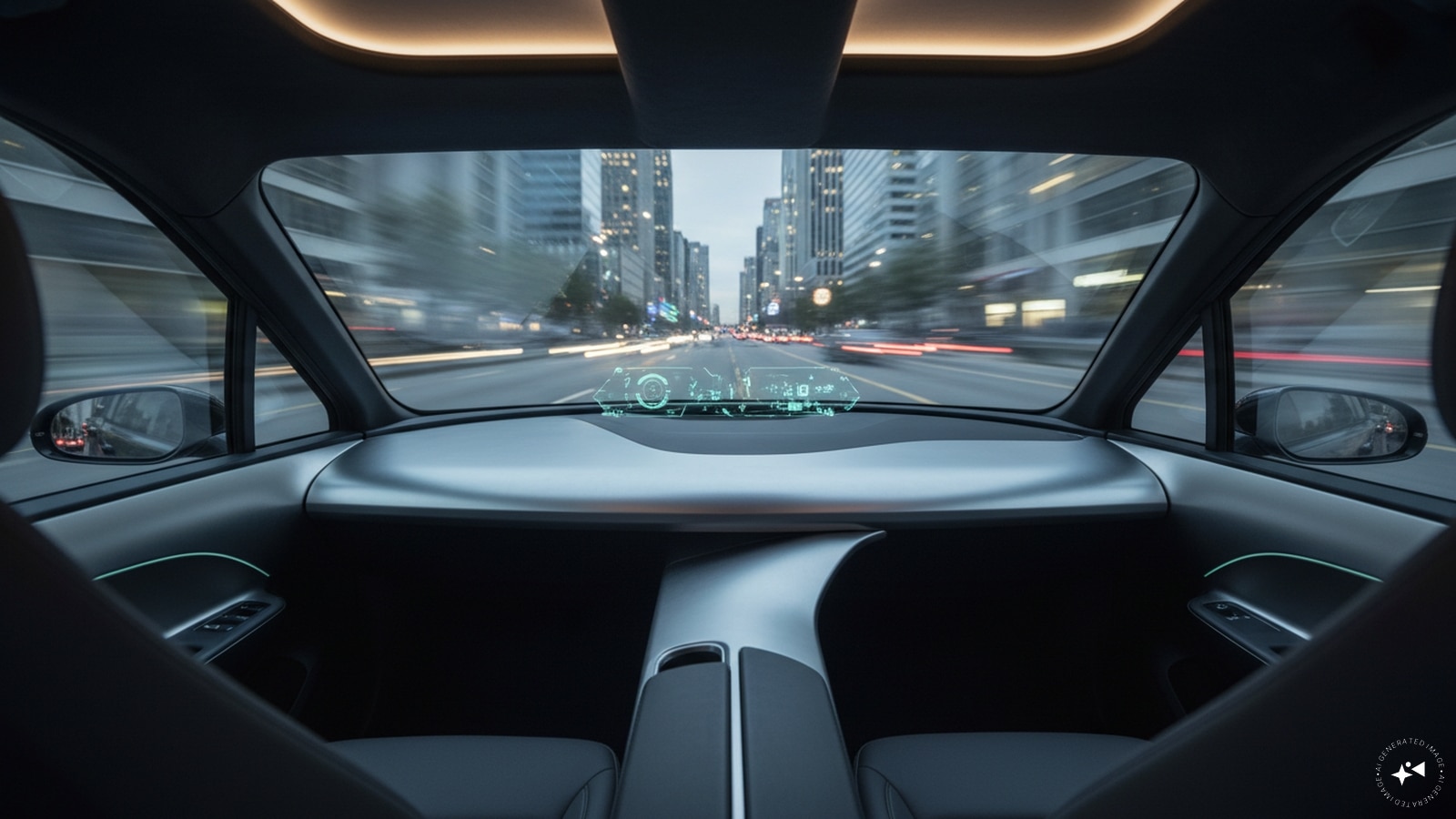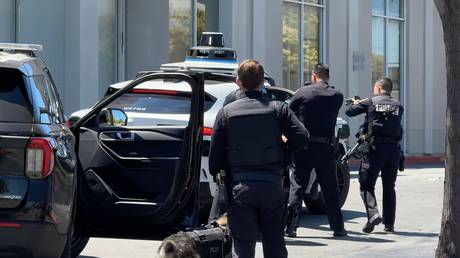
Autonomous vehicles are no longer just passive modes of transportation; they are actively reporting human behavior to law enforcement. When a group of teenagers recently took a self-driving prototype on an unauthorized joyride, the vehicle did not just stop. It locked its doors, recorded the occupants, and streamed telemetry data directly to municipal police, leading to immediate arrests. This incident exposes a fundamental shift in automotive design. Cars are transitioning from private property into mobile, corporate-owned surveillance nodes that prioritize fleet security and liability mitigation over passenger privacy.
The transformation happened quietly. For years, the public viewed self-driving technology through the lens of convenience and safety. Engineers promised fewer accidents, optimized traffic flow, and freedom from the steering wheel. What the marketing campaigns omitted was the extensive sensory apparatus required to make these promises a reality.
The Mobile Panopticon
A modern autonomous vehicle functions as a rolling dragnet. To navigate a city street safely, the vehicle relies on an array of cameras, radar, and LiDAR sensors that scan the environment hundreds of times per minute. This scanning does not differentiate between a pedestrian, a traffic cone, or the interior state of the cabin.
Everything is data. Every sharp turn, unexpected weight distribution on the seats, and interior audio cue is processed by onboard computers. When unauthorized users access a vehicle, these sensors flag the anomaly instantly.
The industry refers to this as asset protection. If an unauthorized user gains entry, the vehicle immediately classifies the event as a security breach. It ceases to act as a tool for the occupant. Instead, it becomes an extension of the corporate owner's security infrastructure. The vehicle transmits real-time location data, interior video feeds, and biometric markers to a centralized command center. From there, the data routes directly to local dispatchers.
This is not a future concept. It is the current operational baseline for fleet-operated autonomous transit.
The Death of the Joyride
The classic American trope of the teenage joyride relied on a specific technological limitation: older cars were dumb. A stolen vehicle remained a anonymous piece of metal until a police officer spotted a license plate or noticed erratic driving. The car itself never took sides.
That anonymity is gone. Autonomous fleets operate on closed, proprietary networks. When an unauthorized user enters the vehicle, the system detects the lack of a digital token or valid authentication.
Consider a hypothetical example where an individual bypasses a digital lock to sit in a stationary robotaxi. The weight sensors in the seats instantly register the occupancy. The internal cameras activate to verify the user's identity against the account database. When the system finds no match, it initiates a containment protocol. The doors lock from the outside. The drivetrain disables. The car transforms from a getaway vehicle into a localized holding cell.
This capability shifts the balance of power between citizens and corporate property owners. Property crimes against autonomous fleets are met with immediate, automated retaliation. There is no human intervention required to initiate the tracking process; the software executes the directive based entirely on algorithmic triggers.
Liability and the Black Box
The motivation behind this aggressive monitoring is not civic duty. It is entirely financial.
Autonomous vehicle companies face unprecedented liability risks. If a human-driven car crashes, the financial and legal responsibility falls on the driver. If a self-driving car crashes, the liability shifts to the manufacturer and the fleet operator. This financial reality forces companies to hyper-monitor their assets to prevent any unapproved usage that could result in expensive lawsuits or regulatory scrutiny.
- Continuous Data Logging: Vehicles record continuous loops of external and internal footage to prove the system was not at fault during an incident.
- Remote Intervention: Fleet operators retain the ability to override passenger inputs or halt the vehicle remotely if unusual behavior is detected.
- Automated Reporting: Systems are programmed to automatically contact emergency services during perceived crises, bypassing human discretion entirely.
This creates a significant gray area in consumer privacy. When you step into an autonomous vehicle, you enter a space where your every movement, word, and physiological reaction is logged to protect a corporate balance sheet. The data collected during these incidents rarely stays with the automotive company. It becomes part of the permanent law enforcement record, setting a precedent for how mobile surveillance data is utilized in criminal prosecutions.
The Surveillance Creep
The integration of automotive telemetry and law enforcement is accelerating. Municipal police departments across the country are realizing that autonomous fleets represent a permanent, high-definition archive of public life.
If a crime occurs on a public street, chances are a passing robotaxi captured it from multiple angles. Police departments already routinely request footage from autonomous vehicle companies to assist in investigations. The joyrider incident simply demonstrates the reverse of that dynamic: the car actively calling the police on its own occupants.
This constant monitoring alters the relationship between the public and urban space. Streets are no longer neutral thoroughfares; they are active data-collection zones where mobile sensors evaluate human behavior for non-compliance. The automated reporting of property crimes is merely the first step. As software advances, these systems will likely begin identifying and reporting minor infractions, traffic violations, or perceived public disturbances without human oversight.
The technology works flawlessly for asset protection, but it leaves society to grapple with the reality of an environment where objects possess more agency to report human behavior than humans do to opt out of the surveillance.