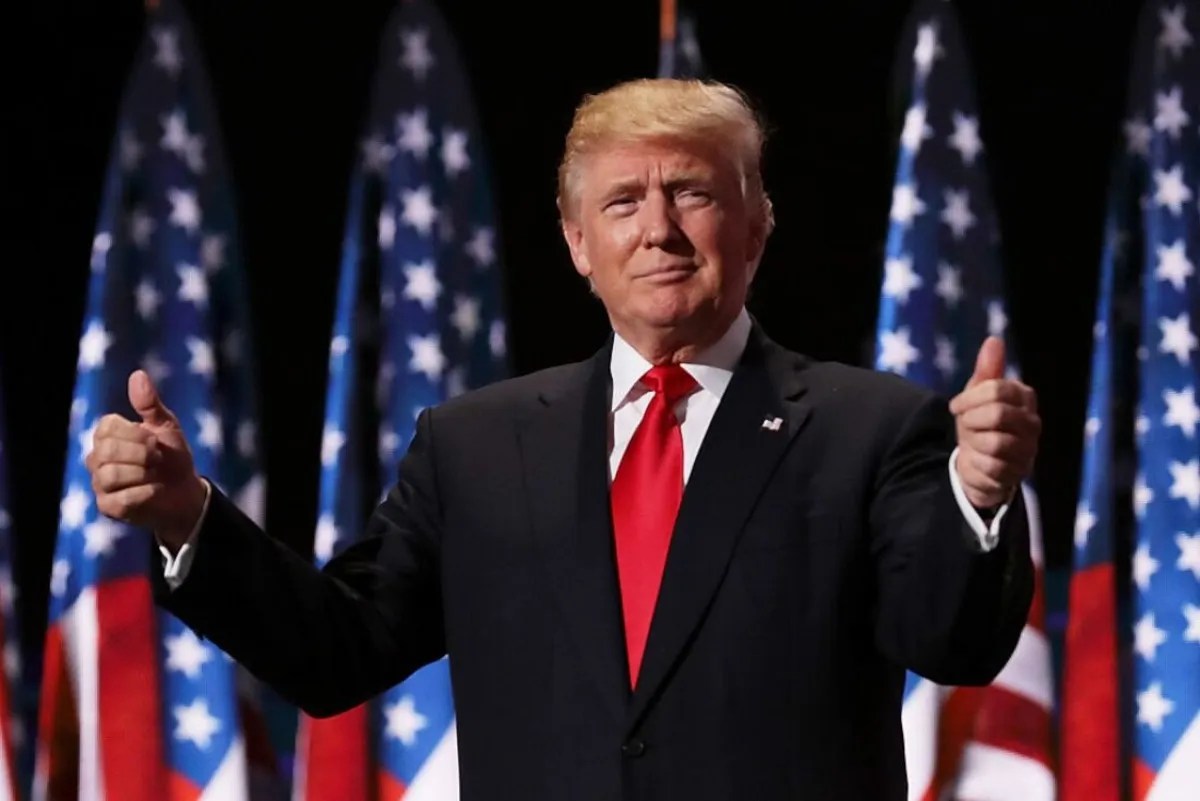
A heavy silence always precedes the scratching of a fountain pen on parchment. In the grand rooms where treaties are signed, the ink dries quickly, but the consequences linger for generations. For decades, the global stage has operated like a high-stakes auction house, where superpowers trade sanctions for centrifuges, and promises are the primary currency. But when Donald Trump looked at the landscape of international diplomacy, he didn't see a sacred arena of statecraft. He saw a poorly managed bazaar.
His philosophy on global relations was never hidden in dense academic journals. It was spelled out in bold letters on best-seller lists. To understand the modern friction between Washington and Tehran, one must understand a fundamental truth about the man who reshaped American foreign policy: he views the world not through the lens of traditional statecraft, but through the uncompromising optics of a transaction.
"I don't make bad deals."
It is a simple phrase. Brutal. Unyielding. When uttered in the context of the Iran Nuclear Deal—formally known as the Joint Comprehensive Plan of Action (JCPOA)—those six words carried the weight of a sledgehammer shattering a glass table.
The Anatomy of a Flawed Handshake
To understand why a billionaire developer turned president would walk away from a pact negotiated by the world’s most sophisticated diplomats, we have to look at what makes a deal bad in the eyes of a wolf.
Imagine a real estate mogul negotiating for a prime piece of Manhattan shoreline. The seller promises to stop dumping toxic waste into the water, but only for ten years. In exchange, the mogul agrees to lift every financial restriction, hand over billions in frozen cash, and allow the seller to keep the plumbing intact. To the diplomat, this is compromise. To the businessman, this is capitulation.
The core of the grievance against the 2015 accord rested on three pillars: sunset clauses, ballistic missiles, and regional influence.
- The Sunset Problem: The agreement had an expiration date. To critics, it didn't prevent a nuclear-armed Iran; it merely delayed it. It was a lease with a terrible termination clause.
- The Unchecked Arsenal: The paperwork conveniently ignored Tehran's development of ballistic missiles. It was like buying a house with a structural crack and agreeing not to look at the foundation.
- The Regional Shadow: Money unfrozen by the lifting of sanctions didn't just stimulate local markets. It flowed across borders, funding proxies and regional conflicts.
When the American administration walked away from the table in 2018, it wasn't just a rejection of policy. It was a rejection of the entire philosophical framework of modern international relations. The move signaled a return to a simpler, harsher reality: maximum pressure.
The Human Cost of Abstract Numbers
Diplomats talk in billions. They debate percentages of uranium enrichment and discuss economic charts in wood-paneled rooms far removed from the dust and heat of the streets. But every pen stroke hits the ground with a thud.
Consider a hypothetical shopkeeper in Tehran named Amir. He doesn't read the fine print of UN resolutions. He feels them. When sanctions are lifted, his shelves fill with foreign goods, and the currency in his cash drawer holds its value. He can dream of expanding. He can promise his daughter that university tuition is secure.
Then, the ink is revoked.
Suddenly, the maximum pressure campaign hits Amir’s storefront like a sudden winter freeze. The rial plummets. Hyperinflation turns a day's wages into the price of a loaf of bread. The abstract chess game played between Washington and the Iranian leadership manifests as a quiet desperation at an ordinary family's dinner table.
This is the invisible leverage. The strategy of maximum pressure relies on the calculation that economic pain will eventually force a government to its knees, compelling them to beg for a new, stricter arrangement. But history shows that pride is an stubborn currency. Governments rarely starve; their people do.
The Illusion of the Perfect Agreement
The fundamental disagreement between the architects of the original deal and the proponents of the total rewrite comes down to a psychological divide. Can you trust an adversary to slowly change, or must you break their will before you can build something lasting?
Advocates of the original pact argued that a flawed agreement was better than a lawless vacuum. They believed that bringing Iran into the global economic fold would naturally incentivize moderation. It was an approach rooted in the belief that commerce breeds compliance.
The counter-argument is starker. It insists that bad deals do not age well; they merely rot. By allowing temporary concessions, you fund the very apparatus that will eventually oppose you with greater strength once the clock runs out.
When the United States demanded a total overhaul—demanding a permanent halt to enrichment, access to military sites, and an end to regional proxy funding—it wasn't asking for a renegotiation. It was demanding a surrender.
The Long Shadow Over the Bazaar
The world watched to see who would blink first. The pressure was real. The Iranian economy reeled under the weight of oil embargoes and banking restrictions. Yet, the centrifuges began to spin again, faster and more advanced than before the paperwork was signed.
The true cost of walking away from a bad deal is the realization that finding a better one is often an illusion. In the high-stakes world of global power, you cannot simply walk across the street to a different dealership. You are stuck with the same counterparty, sitting across the same table, surrounded by the wreckage of previous promises.
The ink has long dried on the old declarations, and the rhetoric remains loud, echoing across capitals. The ultimate deal remains unmade, suspended in the space between what one side refuses to accept and what the other refuses to give.
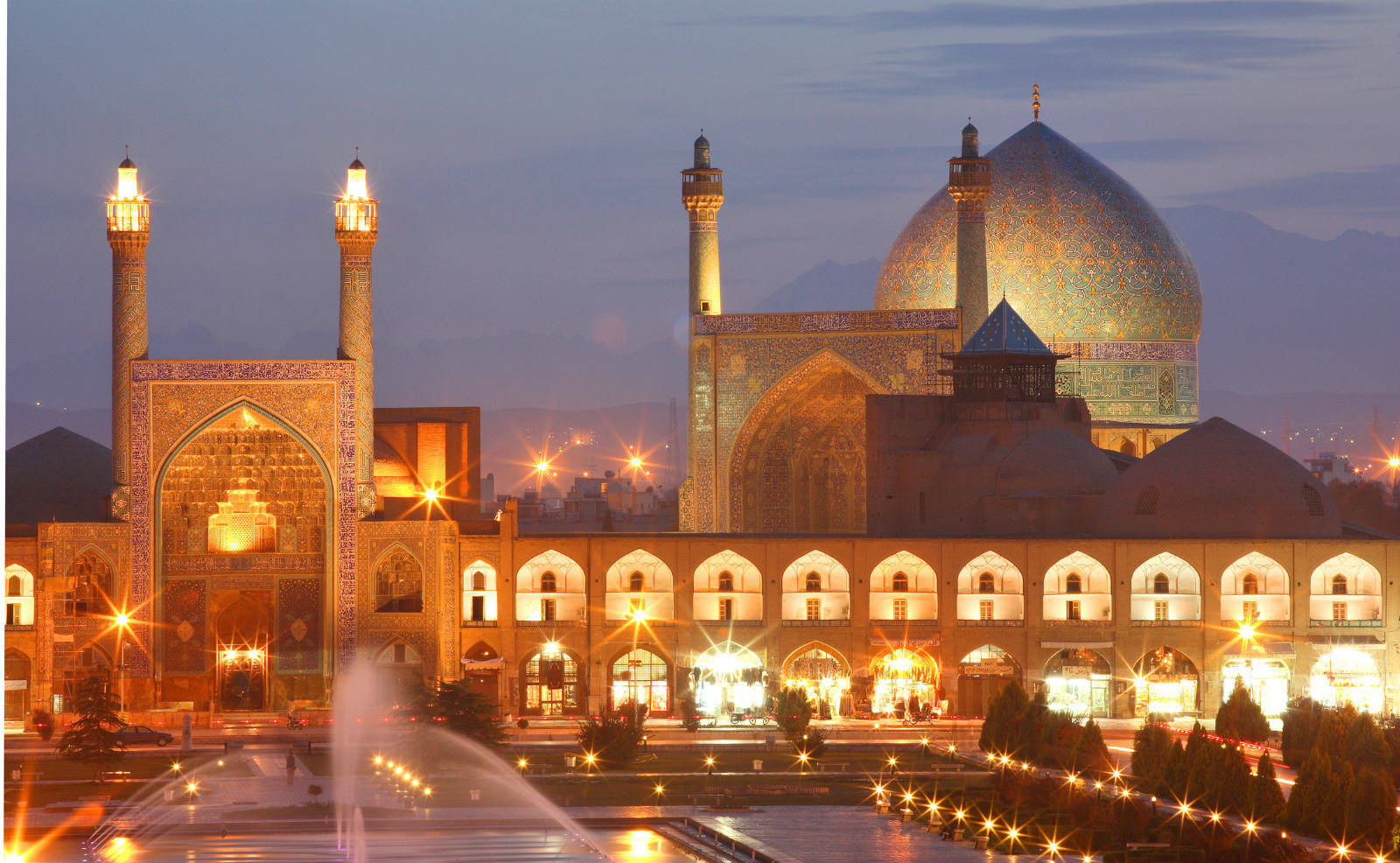
Somewhere in Tehran, a shopkeeper turns over the closed sign on his door, watching the dusk settle over a city waiting for a phone call that may never come. The politicians continue to boast of their prowess, confident in their ability to walk away from the table, while the rest of the world sits in the quiet, dangerous dark, waiting to see what happens when the pressure finally reaches its boiling point.