The screen glows in the dark. It is 11:42 PM on a Tuesday, and a thumb hovers over a glass surface. With a single tap, a sequence of characters fires into the ether. It takes less than a second for the text to travel from a smartphone in California to a server farm halfway across the world, and then onto millions of other screens.
The text reads: "Michelle Obama is a man."
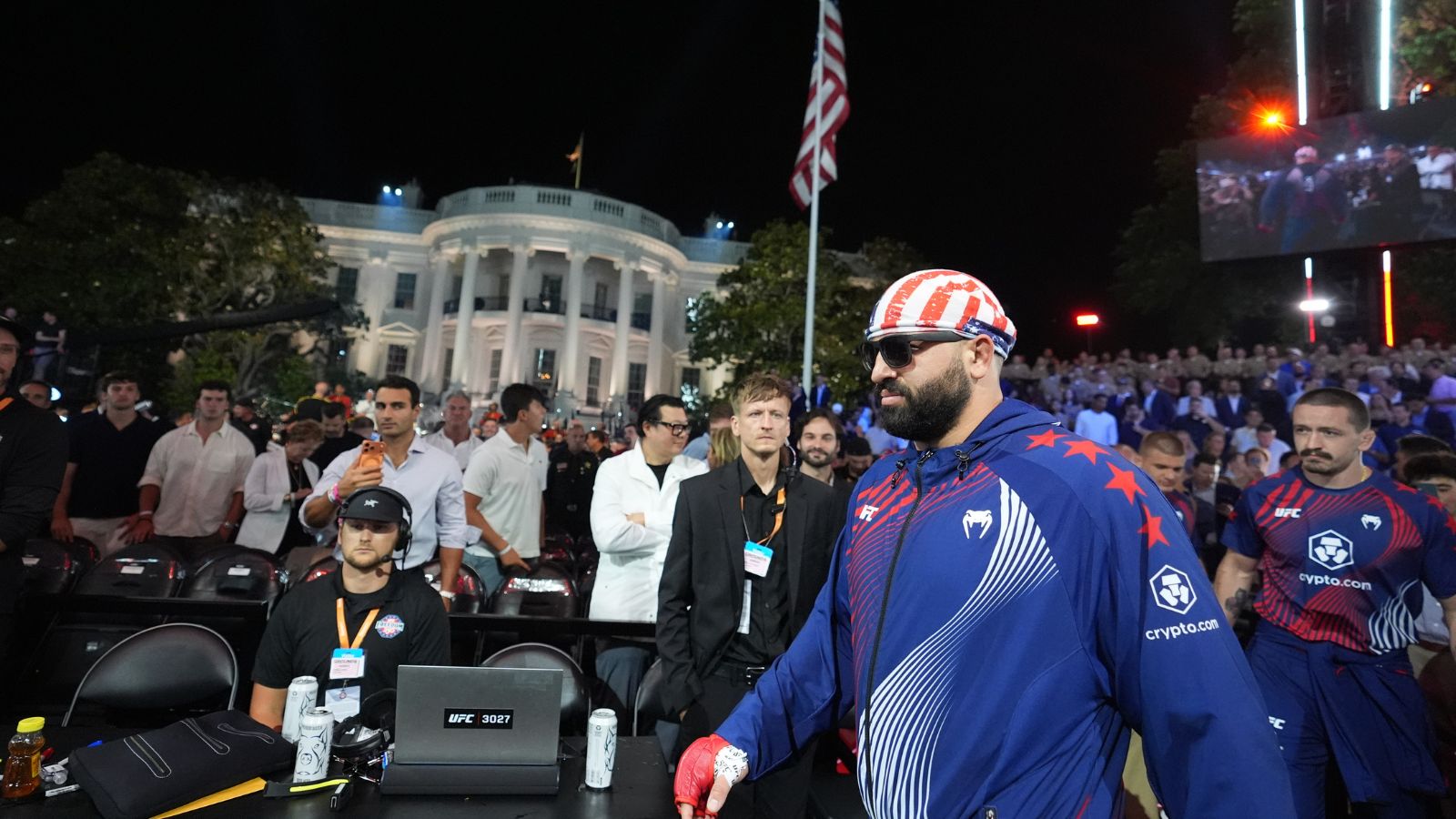
The person who typed it is Josh Hokit, a professional featherweight fighter signed to the Ultimate Fighting Championship (UFC). He is an elite athlete, a man whose daily life revolves around the brutal, precise mechanics of human anatomy, leverage, and physical truth. Yet, in the digital space, reality becomes fluid. The comment, thrown out into a comment section like a casual jab in a sparring session, did not vanish. It caught the wind of the algorithm. It sparked a row. It became news.
We have seen this cycle so many times that our collective synapses are almost numb to it. A public figure says something outrageous. A wave of condemnation follows. A counter-wave of defense forms. Headlines track the metrics of the outrage. But if we only look at the scoreboard of the controversy, we miss the actual machinery of what is happening. We miss the human cost of a lie that refuses to die.
The Long Anatomy of a Whisper
To understand why a UFC fighter’s offhand social media remark resonates far beyond the world of mixed martial arts, you have to look backward. This is not an isolated piece of locker-room edge-lord humor. It is part of a deeply rooted, highly specific architecture of delegitimization.
For more than a decade, a persistent, bizarre conspiracy theory has hovered around the former First Lady. It is a theory built entirely on doctored photographs, slowed-down video clips, and intensely scrutinized clothing folds. To an outside observer, it looks like madness. To those trapped inside the echo chamber, it looks like a hidden truth they are brave enough to speak.
Consider how an internet rumor functions. It relies on a cognitive bias known as the illusory truth effect. If a person hears a statement repeated often enough, their brain begins to process it as truth, simply because the familiarity makes it easy to process. It requires no cognitive effort to believe something you have heard a hundred times before.
When an athlete with a verified platform echoes that whisper, it acts as a cultural amplifier. Hokit is not just an anonymous account with a string of random numbers in his username. He is a flesh-and-blood representative of a major sporting organization. When he repeats the claim, he validates it for a specific subculture. He lends the weight of his physical authority to a digital phantom.
The Invisible Stakes of the Digital Cage
In the fight world, words are often treated as promotional theater. Fighters trash-talk each other’s families, heritages, and abilities to sell pay-per-view tickets. It is a subculture that prides itself on being immune to politeness. "It's just words," the defense usually goes. "Don't be so sensitive."
But this defense collapses when the target has nothing to do with the sport, and the insult has nothing to do with competition.
The real problem lies elsewhere. The rhetoric aimed at Michelle Obama belongs to an old, ugly tradition of attacking the humanity of Black women by attacking their womanhood. Historically, the trope of the hyper-masculine Black woman has been used to deny them empathy, protection, and dignity. It is a tool designed to strip away soft power. When a modern athlete uses this specific trope, they aren't being a rebellious truth-teller breaking through political correctness. They are repeating a script that is centuries old.
The reaction from fans and critics alike was instantaneous. For some, it was a hilarious act of defiance against a political establishment they despise. For others, it was an exhausting reminder of the casual cruelty that defines modern public discourse. The UFC itself remained quiet, navigating the fine line between corporate public relations and a fan base that often rewards anti-establishment behavior.
The Mirage of the Post-Truth Athlete
There is a strange irony in an elite martial artist falling prey to digital delusion. In the cage, there is no room for conspiracy. If you believe your opponent cannot punch you because you have a theory about their stance, you will be knocked unconscious. The octagon is an unforgiving laboratory of absolute truth. Gravity works. Momentum works. Leverage is real.
Yet, the moment these athletes step out of the gym and into the digital landscape, that commitment to empirical truth often evaporates. They become vulnerable to the exact same algorithms that hook the rest of us.
Algorithms do not care about accuracy. They care about retention. A factual article about Michelle Obama’s philanthropic work does not generate engagement. A shocking, absurd claim about her gender identity creates an immediate, visceral reaction. People click to argue. People click to agree. The platform registers the activity as valuable and pushes the post to more screens.
Hokit’s comment was perfectly optimized for the machinery of modern attention. It was brief. It was incendiary. It tapped directly into an existing cultural fault line. He didn't need to provide evidence, because the ecosystem he threw it into doesn't require evidence. It only requires a side to be chosen.
The Echo in the Empty Room
What happens after the row dies down? The news cycle moves on. Another fighter will say something shocking. Another politician will tweet something inflammatory. The metrics will reset, and the journalists will track the next spike in public anger.
But the debris of these moments accumulates. Every time an absurd falsehood is normalized by someone with a platform, the baseline of shared reality drops a little lower. We lose a bit more of the common ground required to have a functioning society. We become a culture that argues about the basic biology of human beings who have lived their entire lives in the public eye.
The true weight of the remark isn't found in the anger of the people who criticized Hokit, nor is it found in the cheers of the people who defended him. It is found in the quiet realization that our public squares have been replaced by digital cages where the truth is just another casualty of the promotion.
The fighter trains for months for a few minutes of combat under bright lights. He understands the value of every movement, every breath, every ounce of energy. But online, that discipline vanishes. A careless thought becomes an indelible stain, floating forever in the archive of our collective distraction, waiting for the next thumb to scroll past.


