The Misery Metric
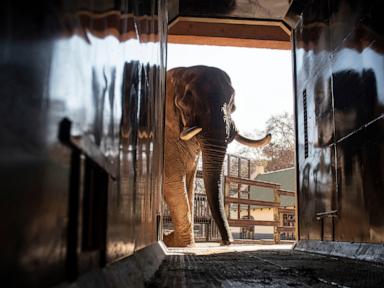
Three elephants in a New England zoo are supposedly depressed. Animal rights activists looked through the glass, saw a lack of pep, and filed a lawsuit demanding their relocation to an expansive sanctuary. The public rallied. The media wept.
It is a heartwarming narrative of liberation. It is also fundamentally flawed.
The lazy consensus dominating this conversation relies entirely on a emotional projection called anthropomorphism. We look at a multi-ton pachyderm, notice it standing still, and apply human psychological frameworks. We call it sadness. We call it trauma.
The reality is far colder, far more complex, and deeply inconvenient for litigation-happy advocacy groups. Moving geriatric, captive-born elephants under the guise of "saving" them is not an act of mercy. It is a highly dangerous publicity stunt packaged as ethics.
The Sanctuary Myth and the Stress of the Road
The prevailing argument insists that a sanctuary—thousands of contiguous acres of natural terrain—is a magical cure-all for captive animals. The logic dictates that more space equals a better life.
It sounds intuitive. It ignores the brutal physical reality of moving a five-ton animal.
+------------------------+---------------------------------------+
| Proposed Action        | Biological Reality                    |
+------------------------+---------------------------------------+
| Relocation to Sanctuary| Extreme transport stress, disruption  |
|                        | of established social hierarchies.    |
+------------------------+---------------------------------------+
| Specialized In-Zoo Care| Consistent medical access, familiar   |
|                        | handlers, controlled environment.     |
+------------------------+---------------------------------------+
I have spent years analyzing wildlife management frameworks and evaluating animal welfare protocols. I have watched organizations burn millions of dollars on relocation logistics that resulted in the rapid decline of the very animals they claimed to protect.
Transporting an elderly elephant requires heavy sedation, massive transport crates, and days of grueling travel. For an animal that relies heavily on routine, this is a profound psychological shock.
The Hidden Danger of Fractured Herds
Elephants are not solitary units; they form complex social matrices. In captivity, these bonds are forged over decades with specific handlers and herd mates.
- Disruption of Structure: Forcing an older elephant into a new environment with unfamiliar animals does not grant them freedom. It forces them to fight for dominance in a new hierarchy.
- The Age Factor: Geriatric elephants do not adapt quickly to new social dynamics. The stress of integrating into an established sanctuary herd can lead to severe aggression, injury, or death.
When activists claim an elephant is depressed because it stands near a gate, they ignore the fact that the animal might simply be waiting for a familiar keeper who has managed its arthritis for twenty years. Severing that relationship for the sake of a larger paddock is a massive gamble where the animal carries all the risk.
Dismantling the Boredom Argument
A common question raised by activists is: "How can a small enclosure provide adequate mental stimulation?"
The premise of the question is flawed because it equates physical distance with psychological welfare. A wild elephant walks up to 30 miles a day because it has to. It is searching for scarce water and avoiding predators. It is an act of survival, not a leisurely jog.
Defining Real Welfare
True welfare is not measured in mileage. It is measured in cognitive engagement and physiological health. Modern accredited zoological facilities utilize highly advanced environmental enrichment programs to stimulate natural behaviors without the need for endless wandering.
- Cognitive Challenges: Automated feeders that require problem-solving to unlock.
- Olfactory Tracking: Introducing foreign scents throughout the habitat to encourage investigative behavior.
- Targeted Physical Therapy: Structuring the existing terrain with varying inclines to maintain joint health in aging animals.
A sanctuary offers space, but it often lacks the intensive, individualized medical oversight that a dedicated zoo team provides. For a young, healthy elephant rescued from a circus, a sanctuary is ideal. For three geriatric zoo elephants with chronic foot issues and age-related joint degradation, a sanctuary can easily become a death sentence.
The High Cost of Pure Intentions
Let us address the downside of keeping these animals where they are. Yes, a zoo enclosure is limited. Yes, seeing large mammals behind barriers feels uncomfortable to the modern observer.
But the alternative presented by these lawsuits is a dangerous gamble based on a superficial definition of freedom.
If these activists win their lawsuit, they set a legal precedent that allows emotional speculation to override veterinary expertise. The moment courts begin deciding animal welfare based on whether an animal looks sad to a layman, scientific management dies.
Stop trying to fix complex zoological challenges with feel-good legal battles. The most ethical choice for these three elephants is the least cinematic one: keep them in their home, support the keepers who know their medical histories intimately, and leave the veterinary science to the veterinarians.
Litigation cannot cure old age. Moving the fence will not stop the clock.