The Pentagon finally admitted this week that the direct cost of the conflict with Iran has hit $29 billion, but that figure is little more than a placeholder designed to pacify a restless Congress. Acting Comptroller Jules "Jay" Hurst III delivered the updated price tag during a marathon budget hearing, marking a $4 billion jump in just two weeks. While $29 billion sounds significant, it is an accounting mirage that ignores the catastrophic damage to regional infrastructure, the depletion of precision munitions, and a global energy shock that is draining the American wallet faster than any missile strike.
The conflict, dubbed Operation Epic Fury, has shifted from a series of tactical exchanges into a grinding war of attrition. The Pentagon's current estimate covers the basics: fuel, combat pay, and the staggering cost of replacing over 1,000 Tomahawk and JASSM cruise missiles. However, the military is intentionally leaving out the massive "MILCON" (military construction) costs required to rebuild over a dozen U.S. facilities in the Middle East that have been hammered by Iranian drone and missile volleys.
The Invisible Deficit of Attrition
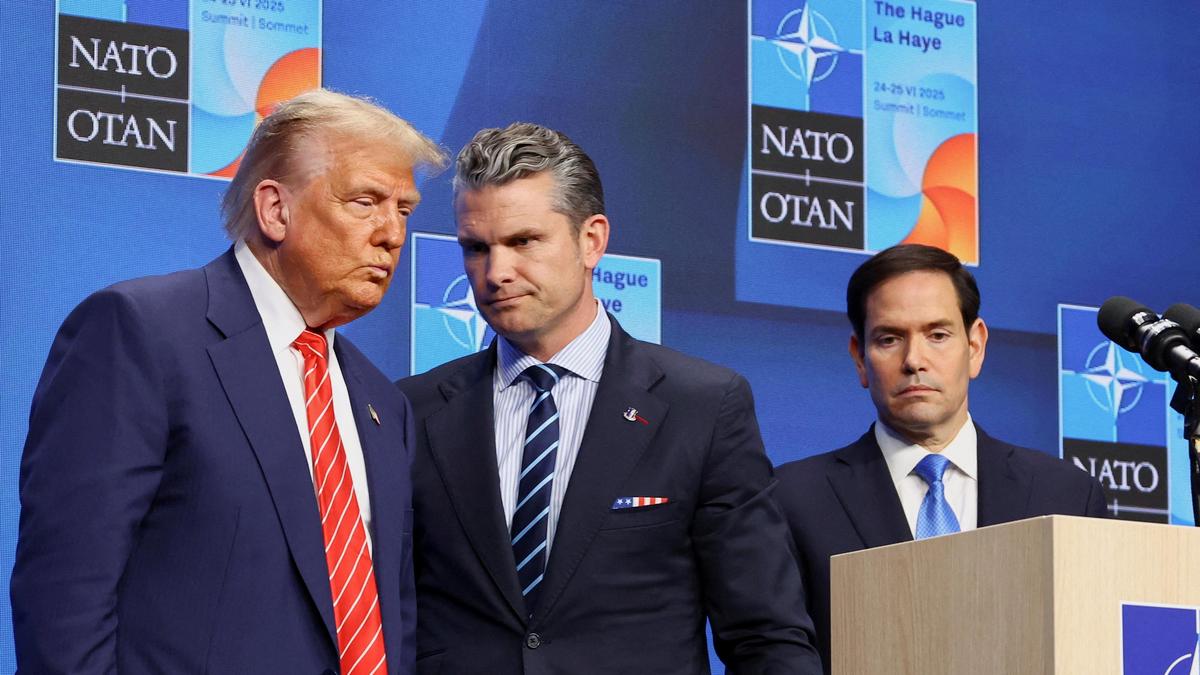
The math being presented on Capitol Hill is dangerously incomplete. When Defense Secretary Pete Hegseth claims that munitions stockpiles are sufficient, he is speaking in the present tense while ignoring the replenishment lead times that will haunt the Department of Defense for a decade. The U.S. is currently expending precision assets at a rate that the domestic industrial base simply cannot match without a total wartime economic pivot.
We are seeing a repeat of the "lowballing" strategy used in previous Middle Eastern entanglements. Outside analysts, including public finance expert Linda Bilmes of Harvard, suggest the long-term price tag—including veteran care, interest on the national debt, and the rebuilding of allied infrastructure in Kuwait and the UAE—will inevitably cross the $1 trillion mark.
The $29 billion is just the "sticker price" for the ammunition. It doesn't account for:
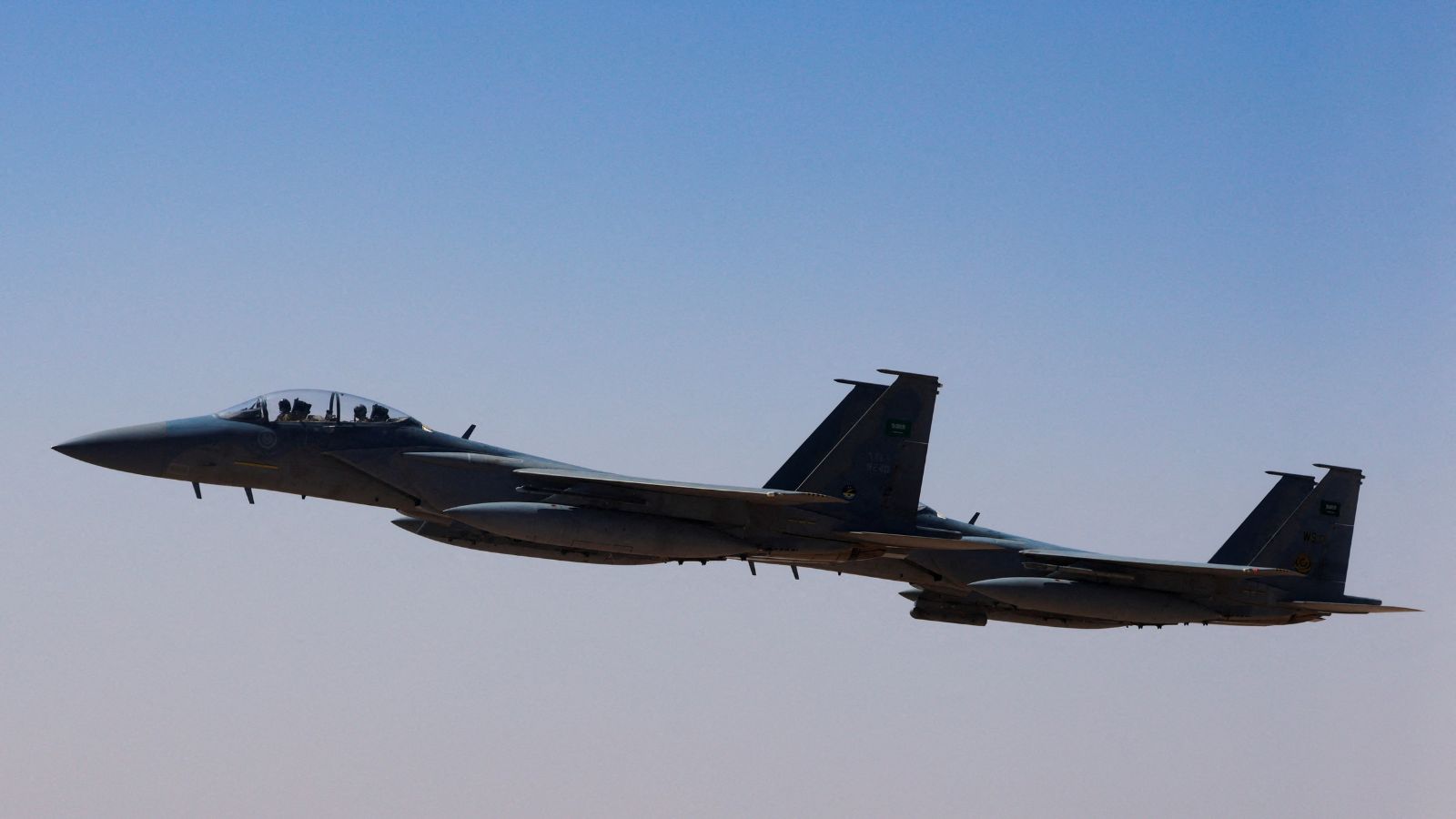
- Asset Destruction: Satellite imagery has confirmed significant damage to high-value assets, including at least one F-35 Lightning II and multiple refueling tankers at Prince Sultan Air Base.
- Energy Contagion: The closure of the Strait of Hormuz has sent Brent Crude soaring past $120 per barrel.
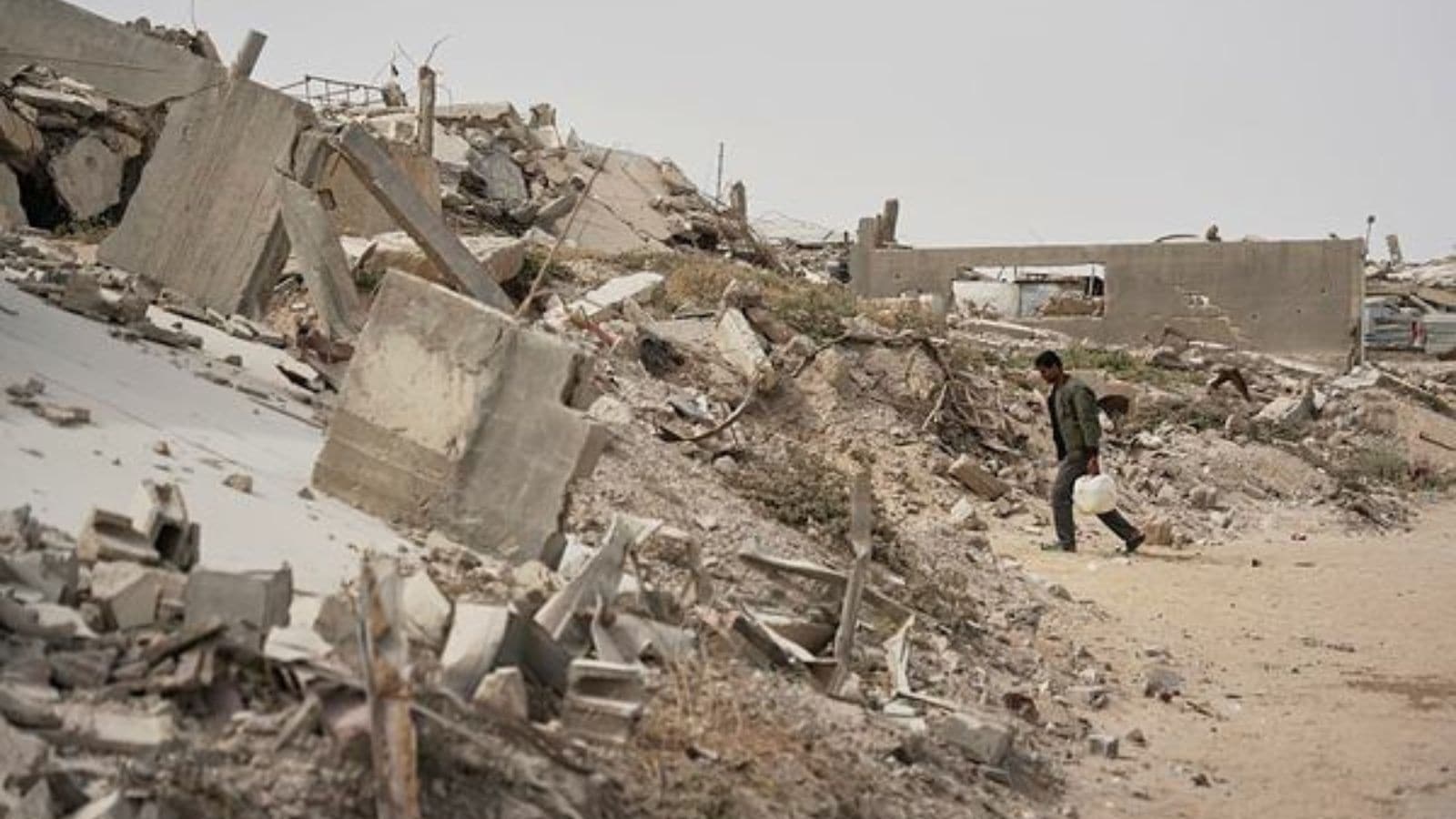
- Infrastructure Erasure: The Pentagon currently has "no estimate" for repairing regional bases because it hasn't decided if those bases are even worth defending anymore.
The Hormuz Stranglehold and the American Consumer
While the Pentagon focuses on its $1.5 trillion 2027 budget request, the American public is feeling the conflict at the pump and the grocery store. The 2026 Iran war has triggered the largest supply disruption in the history of the global oil market. This isn't just a military problem; it is a systemic economic failure.
When the Strait of Hormuz was effectively shuttered on March 4, 2026, it didn't just stop Iranian oil—it trapped 20% of the world’s supply. The resulting 30% spike in U.S. gasoline prices, now averaging over $4.00 a gallon, is a direct "war tax" on every citizen that never shows up in a Pentagon briefing.
Domestic production has provided a slight buffer, but it cannot insulate the U.S. from a global bond market sell-off or the skyrocketing cost of jet fuel. Airlines are currently rerouting flights to avoid Middle Eastern airspace, adding hours to travel times and millions to operational costs. These expenses are being passed directly to the consumer, further fueling an inflation rate that recently hit a three-year high.
A Strategy Without an Exit
The most alarming revelation from this week’s hearings wasn't the dollar amount, but the lack of a terminal objective. Representative Rosa DeLauro and other critics are asking a question that the administration seems unable to answer: What does victory look like, and how much are we willing to pay for it?
The administration’s refusal to provide a detailed cost breakdown—dismissing requests as "not yet relevant"—suggests a strategy of obfuscation. By separating the war's costs from the main Pentagon budget and relying on future supplemental requests, the Department of Defense is attempting to hide the true scale of the fiscal drain. This creates a budgetary black hole where billions disappear into "operational expenses" without a clear link to strategic success.
The ceasefire is currently on what President Trump described as "life support." If combat operations resume in full, the $29 billion figure will be viewed by history as a quaint, optimistic relic of a war that the U.S. was fiscally unprepared to fight.
The U.S. national debt is already hovering at $39 trillion. We are spending roughly $1 trillion annually just to service the interest on existing debt. Every missile launched over the Persian Gulf today is funded by a credit card that has already reached its limit. Without a clear diplomatic off-ramp or a radical honest accounting of the war's true cost, the U.S. risks a "victorious" outcome that leaves the nation economically hollowed out.
Stop looking at the $29 billion. Start looking at the $1 trillion bill coming due for a conflict that has no defined end.