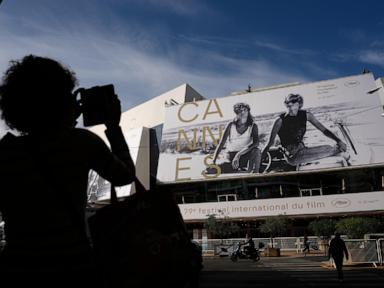
The red carpet at the Palais des Festivals isn't just about the clothes. It's about a specific kind of gravity. While people keep claiming the theatrical experience is dying or that TikTok has replaced the movie star, the 77th Cannes Film Festival just proved everyone wrong. This year felt different. It wasn't the usual onslaught of big-budget American blockbusters. Instead, we saw a festival that leaned into its European roots while still managing to be the loudest room in the world.
If you were looking for a Marvel trailer, you were in the wrong place. But if you wanted to see Meryl Streep receive an honorary Palme d'Or while the entire room dissolved into tears, Cannes delivered. The 2024 lineup showed us that the industry is shifting. The reliance on the "Big Five" studios is fading, and in its place, we're seeing a more global, albeit still incredibly glamorous, version of cinema.
The myth of the missing blockbuster
People love to talk about what's missing. Early reports suggested this Cannes would feel empty because the Hollywood strikes from the previous year delayed several major productions. That's a lazy take. Honestly, the lack of a massive superhero presence actually let the real craft breathe. We didn't have a Top Gun: Maverick moment this year, but we had Greta Gerwig presiding over the jury. That’s a statement of intent.
Gerwig is the first American female director to serve as jury president since 1966. That matters more than a few missed press junkets for a summer sequel. Her presence bridged the gap between the indie-darling world and the billion-dollar box office reality. It set a tone that the festival wasn't just looking for high art that nobody watches, but for films that actually move the needle culturally.
The opening night film, Le Deuxième Acte (The Second Act), by Quentin Dupieux, was a meta-commentary on acting itself. It’s a French comedy. It’s weird. It’s self-aware. Putting that front and center tells you everything you need to know about Cannes in 2024. They aren't trying to be the Oscars. They're trying to be the reason the Oscars exist.
Why Meryl Streep still owns the room
When Meryl Streep stepped onto that stage to accept her honorary Palme d'Or, the atmosphere changed. It’s hard to describe if you aren't watching the footage, but there’s a level of respect in that room that doesn't exist at the Golden Globes. Streep hasn't been to Cannes in 35 years. Her last trip was for A Cry in the Dark back in 1989.
Her return wasn't just a nostalgia trip. It was a reminder of what "star power" actually looks like. It isn't about having 100 million followers. It’s about a body of work that spans decades and still feels relevant. Juliette Binoche, who presented the award, was visibly vibrating with emotion. That’s the magic of this festival. It treats actors like gods of a very specific, very demanding religion.
We often see "star power" used as a buzzword for marketing. At Cannes, it’s about the endurance of the performer. Seeing Streep and Binoche on stage together reminded everyone that while Hollywood might be struggling with its identity, the art of acting is doing just fine.
The international shift is permanent
You can't talk about Cannes without talking about the geopolitical reality of the film industry. This year featured a heavy hitters list that felt truly international. We had Francis Ford Coppola returning with Megalopolis, a project he basically funded himself by selling his wine empire. That’s the ultimate "I don't need the studio system" move.
But beyond the American legends, the real energy was coming from directors like Yorgos Lanthimos with Kinds of Kindness. Lanthimos is Greek, his cast is a mix of American and international stars like Emma Stone and Willem Dafoe, and his style is unapologetically bizarre. This is the new "mainstream" at Cannes. It’s a hybrid.
- Films are becoming more language-fluid.
- Financing is coming from a mix of streaming giants and independent European equity.
- The audience for "prestige" cinema is actually growing, even if the domestic US box office for these films is unpredictable.
The festival also didn't shy away from the shadows. The inclusion of Mohammad Rasoulof’s The Seed of the Sacred Fig was a massive talking point. Rasoulof recently fled Iran after being sentenced to prison. His presence—and his film—turned the festival into a platform for human rights, not just fashion.
The George Lucas factor and the old guard
Closing out the festival with an honorary award for George Lucas felt like a full-circle moment. It’s easy to forget that before Star Wars, Lucas was a New Hollywood experimentalist. He was a guy who loved the kind of cinema Cannes celebrates.
By honoring him, the festival acknowledged that technology and spectacle aren't the enemies of art. They're tools. The irony isn't lost on anyone: Lucas created the modern blockbuster that some purists claim is ruining cinema, yet here he is, being celebrated by the most prestigious film body on earth.
This tension is what keeps Cannes interesting. It’s a constant tug-of-war between the "cinema is a sacred temple" crowd and the "we need to sell tickets" reality. This year, the temple won, but it left the doors open for the innovators.
What you should actually watch for
Don't just look at the winners list. Look at the films that get the longest standing ovations. In Cannes, a ten-minute standing ovation is standard; a twenty-minute one means you’ve found something legendary.
Watch for Anora by Sean Baker. He’s a director who knows how to capture the grit of American life without making it feel like "misery porn." Watch for the reaction to The Substance, a body-horror film starring Demi Moore that reportedly shocked the audience. That’s what Cannes is for—forcing you to look at things that make you uncomfortable.
If you're a filmmaker or just a fan, the takeaway here is simple. Stop waiting for the big studios to tell you what's important. The most exciting work is happening on the fringes, funded by mavericks and led by actors who are tired of green screens.
The next step for any cinephile is to stop scrolling through the "Recommended for You" section on Netflix. Go find the festival winners. Look for the films that debuted in the Un Certain Regard category. That's where the next decade of cinema is actually being born. You don't need a plane ticket to France to participate in the shift; you just need to change what you're willing to watch. Use sites like MUBI or wait for the limited theatrical runs of these Palme d'Or contenders. Support the weird stuff. It’s the only way it keeps getting made.